

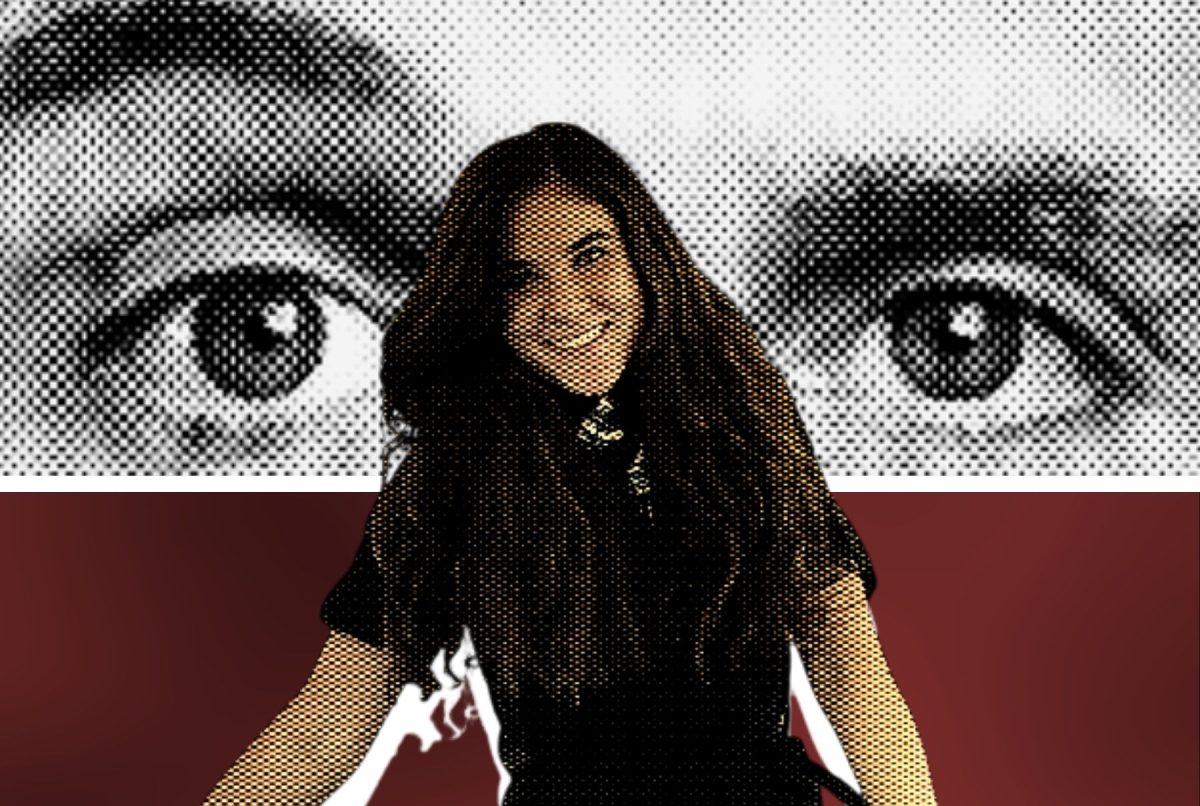
Influencers have been turning their entire lives into content for years, and that includes their pregnancies. Some influencers have even been accused of only continuing to have more babies just to continue creating pregnancy/newborn related content. But influencer and OnlyFans creator Cierra Mistt pushes past the usual bump photos and nursery reveals into genuinely uncharted territory: she’s built an actual paternity mystery and is playing it out across multiple videos, complete with DNA test cliffhangers and a rotating cast of possible fathers.
Mistt posted a “we listen and we don’t judge” video announcing she didn’t know who fathered her unborn child. It was just the first video in a long, serialized storyline. Alongside her husband James, who apparently knew about the pregnancy but not the paternity question, Mistt named three other candidates: a pilot she’d previously filmed adult content with, a paying subscriber, and a man from the church community she and James share. Each possibility got its own DNA reveal, done in the same style as a reality show finale. (Or a Jerry Springer episode if you remember those.) Even after one test reportedly came back at 99.98 percent probability of paternity, which is, medically and statistically, about as close to definitive proof as exists, Mistt didn’t let it rest. Why would she, when she can keep generating revenue from all the views she was getting?
The video that drew the most backlash shows her telling James directly, on camera, while he’s holding one of their kids, that she isn’t sure who fathered the baby she’s currently carrying. It wasn’t clear if his reaction was genuine or staged, though many viewers guess that the entire story arc was made up. Either way, the criticism is valid. Using an unborn child and a husband’s real-time emotional reaction to a paternity question as monetizable content, complete with details of sexual encounters with a subscriber, a church acquaintance, and a fellow content creator, felt weird. Especially with the running DNA-test cliffhanger, which felt designed to build and engage an audience before funneling them straight toward her paid OnlyFans profile.
Mistt isn’t the first creator to turn pregnancy into promotional material, and the comparison to Bonnie Blue is hard to avoid. Blue first claimed pregnancy back in February, tying the announcement to her “breeding mission” stunt involving 400 partners, only to confirm in March that the bump was fake. She’d worn a silicone prosthetic worn purely for attention. She later announced an actual pregnancy, incorporating it into the same provocative marketing playbook: sexually charged baby shower content, a “Milk Me” event where she let strangers urinate on her pregnant body in the name of “my body, my choice,” and after the birth, a video showing her with the baby alongside several masked men making sexual innuendos. That last one was serious enough to prompt a complaint to the UK’s NSPCC child protection charity. Blue insists her child stays out of any 18+ content, and insists that describing something she plans to do while holding a baby isn’t the same as doing both simultaneously.
Notably, Blue’s harshest critics haven’t just been outside observers. They’ve included other pregnant creators in the same industry. Emily Mai is an Australian creator who continued to film content through her pregnancies, and she didn’t approve of how Blue handled her pregnancy, asking: “Is any part of her pregnancy being kept sacred for her and private for her? Or is the whole thing just to get as many eyeballs as possible so she makes a huge amount of money?” Rebecca Goodwin, another OnlyFans model who was also pregnant around the same time said she’s “disgusted” by Blue’s content despite believing firmly in bodily autonomy generally. “I am pro choice,” Goodwin said. “So, throughout her pregnancy I do believe it was her body, her choice.” But she drew a hard line at using an actual newborn for promotional purposes going forward, calling Blue’s approach “weird” and insisting she’d “crossed a line” the moment a real baby entered the content strategy rather than just the pregnancy itself.
That distinction of pregnancy as personal content versus a newborn as promotional material is really the throughline connecting Mistt and Blue, even though their specific stunts look different on the surface. Nobody’s actually arguing that pregnant creators should stop working, stop discussing sexuality, or stop being visible online; pregnancy and sex work were never mutually exclusive to begin with. The criticism in both cases is the question of using an unborn child’s paternity, or a newborn’s presence on camera, as the emotional engine of a marketing funnel. Whether the paternity mystery was genuine or staged doesn’t actually change the core objection. A child too young to consent to any of it became the centerpiece of an advertising campaign it never signed up for. That’s not a debate about adult content. It’s a debate about where the line sits once a child, born or not, becomes the hook.