

Recently, The Daily Signal published two pieces that laid out the legal argument for reviving federal obscenity prosecution, arguing that adult content is already illegal under existing law and the only thing missing is the political will to enforce it.
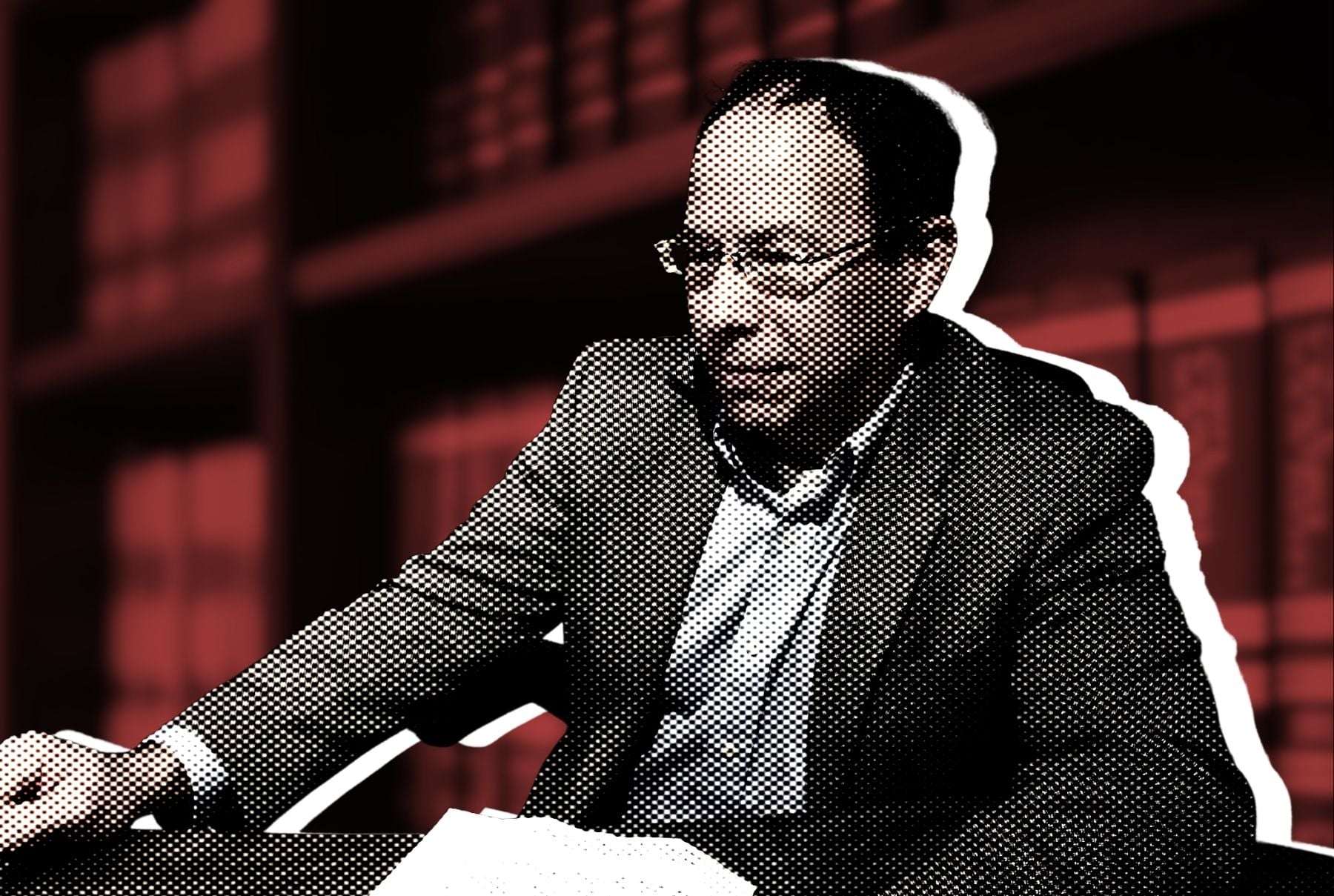
That missing piece may be President Trump’s latest nominee, Adam Candeub. He is nominated to lead the antitrust division of the Department of Justice, though he is currently general counsel at the FCC, a longtime Michigan State law professor, and a contributor to Project 2025, the Heritage Foundation’s blueprint for Trump’s second term. He is also, based on his published record, one of the more serious architects for the argument that adult content should be criminalized under existing law rather than regulated through age verification and content moderation.
The nomination has been covered primarily through the lens of Big Tech antitrust, as Candeub would inherit ongoing DOJ cases against Google and Apple. And he has a documented interest in challenging Section 230 of the Communications Decency Act, which gives platforms immunity from liability over user-generated content. But it’s his record on adult content that people should be paying attention to.
Candeub has argued that adult material should be criminalized using existing obscenity statutes, the same laws the Daily Signal pieces cited, and the same framework that the Obscenity Prosecution Task Force used before it was disbanded under President Obama. His model involves state and local prosecutors bringing cases in conservative jurisdictions where community standards make convictions easier to obtain, combined with federal prosecution of major platforms under the modern interpretation of the Comstock Act (the 1973 law that bans sending obscene material across state lines).
He praised the Supreme Court’s 2025 ruling upholding the state age verification requirements for adult sites. That ruling, which accelerated the state-by-state age verification patchwork now covering more than half the country, was framed by Candeub as a signal that the courts are more receptive to content regulation than they have been in decades. He also suggested it creates more space to bring back older regulatory frameworks, and even floated the idea of tracking users’ online behavior as a tool for keeping minors away from adult content. This level of surveillance infrastructure raises significant constitutional questions and would require access to user data at a scale that doesn’t currently exist in any legal framework.
Even if Candeub is confirmed, obscenity prosecutions wouldn’t begin immediately. The antitrust division he would be leading is competition enforcement, not content regulation. But the DOJ’s influence over hot platforms’ interpretation of legal exposure is substantial, and it doesn’t require a single successful prosecution to change platform behavior – just the threat of it.
When major platforms like OnlyFans and other elements of the creator economy like payment processors and web hosts perceive that the legal environment around adult content is shifting toward prosecution rather than regulation, they respond before any case is filed. Policies are tightened, rules are changed, and app stores remove access. The legal threat functions as a pressure mechanism on the infrastructure long before it reaches a courtroom. Creators who have faced debanking understand that ambient legal risk is enough for businesses to remove the threat before they have to deal with it.
That’s what Candeub’s framework is designed to do. He doesn’t even have to change anything legally. He just has to convince these platforms that legal pressure is building, and they’ll make the changes themselves.
This is the slippery slope that people warned about when age verification laws began to pass around the United States. It’s not that creators didn’t want to protect children, which is how lawmakers justified these laws. It’s that they knew that once you start down this path, it’s hard to stop.