

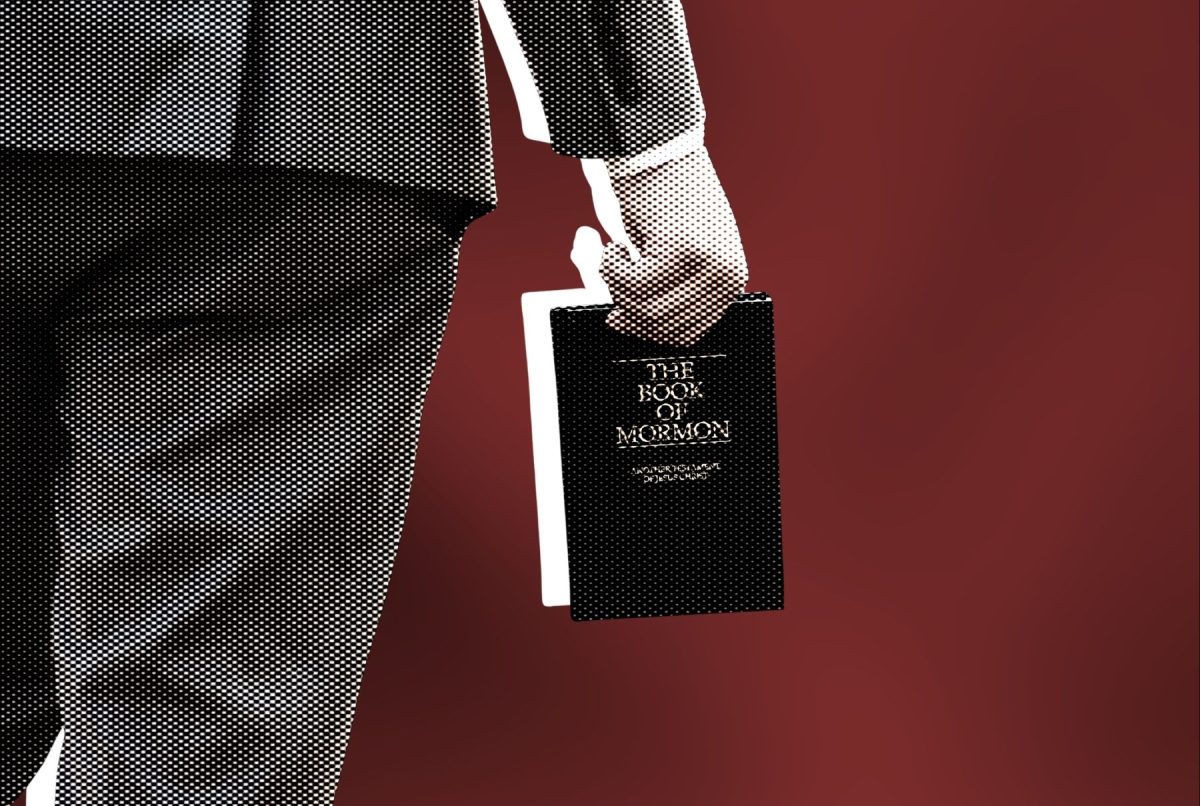
Scroll through lifestyle content on any platform and you’ll eventually land in Mormon country, whether the algorithm tells you so or not. Nara Smith makes bubble gum from scratch for 11.4 million TikTok followers. Shea McGee turned her Utah-based design sensibility into a Netflix series. The Bucket List Family chronicled globe-trotting adventures funded by a barcode app sold to Snapchat for $54 million. None of them advertise their faith directly. All of them are selling a version of it anyway, complete with the polished look, the modesty, and the wholesome family unit, the “soft glam, quieter confidence” aesthetic that’s become recognizable enough to have its own name: the Mormon look.
That aesthetic and its ability to attract audiences isn’t an accident. Latter-day Saint culture has spent generations training its members in documentation, starting with scrapbooking, journaling, and family history-keeping, which meant plenty of LDS women were already halfway to being content creators before Instagram existed. Add tight-knit regional communities that reward and amplify a tasteful post the moment it appears, a cultural emphasis on cleanliness and presentation, and an audience hungry for content that feels safe in an increasingly loud and confrontational internet, and you get a near-perfect engine for virality. It doesn’t hurt that sponsored content and affiliate income let stay-at-home moms earn real money through work that looks and feels aligned with their values rather than at odds with them.
But the contradiction underneath the wholesome branding is fascinating. Pew Research has found Mormons rank dead last among American religious groups in favorability, with just 15 percent of Americans viewing the faith positively, putting it below atheists and Muslims in public opinion. Audiences don’t love Mormonism. They love the lifestyle Mormon creators are selling: an egalitarian-seeming version of traditional family life where the wife runs the business, the husband is visibly supportive, and religion stays comfortably in the background rather than the foreground. That formula works precisely because it’s not too traditional. Backlash arrives fast the moment a creator like Hannah Neeleman of Ballerina Farm leans too hard into old-fashioned gender roles or reveals cracks in the curated performance.
But that wholesome-brand narrative is complicated when we look further into content creation. While most major LDS-adjacent influencers stay carefully clear of anything resembling adult content, citing religious teachings around modesty and chastity, a growing number of Mormons and former Mormons have found real success specifically as OnlyFans creators. Recent data on creator-profile engagement suggests Utah users click on Mormon-themed adult content at a rate dramatically higher than the national average, with roughly one in eight Utah-based users engaging with that specific niche.
Creator Kit Barrus, who was raised within the Mormon community before building her own OnlyFans career, says the pattern doesn’t surprise her at all. “I’m not surprised that Utah folks are interacting more with Mormon-themed creators,” she said. “I think a lot of Mormons feel lost, or alone, and they’re discouraged from telling each other those thoughts so they might look to people online as examples of what’s possible.” Her reasoning goes deeper than simple curiosity or nostalgia for a shared upbringing. “I feel like Mormons also repress a lot of their sexuality,” she explained. “Some women in the church have a hard time shifting from vigilantly guarding their chastity to suddenly trying to enjoy sex within a marriage, which can leave men feeling lonely and women feeling isolated. If you have no other options for companionship, maybe OnlyFans becomes the next best thing.”
That’s a spot-on explanation for a pattern that otherwise looks paradoxical on the surface. A religious culture built around modesty is producing both some of the internet’s most successful wholesome-lifestyle influencers and a disproportionately engaged audience for adult content from creators who share that same cultural background. But it’s less contradictory than you’d think. Both phenomena trace back to the same root: a faith that trains its members from childhood to document, perform, and present their lives for an audience, and a set of sexual and social expectations rigid enough that plenty of people raised inside them end up looking outside the community, or straight back into it online, to find whatever the church itself didn’t leave room for.