
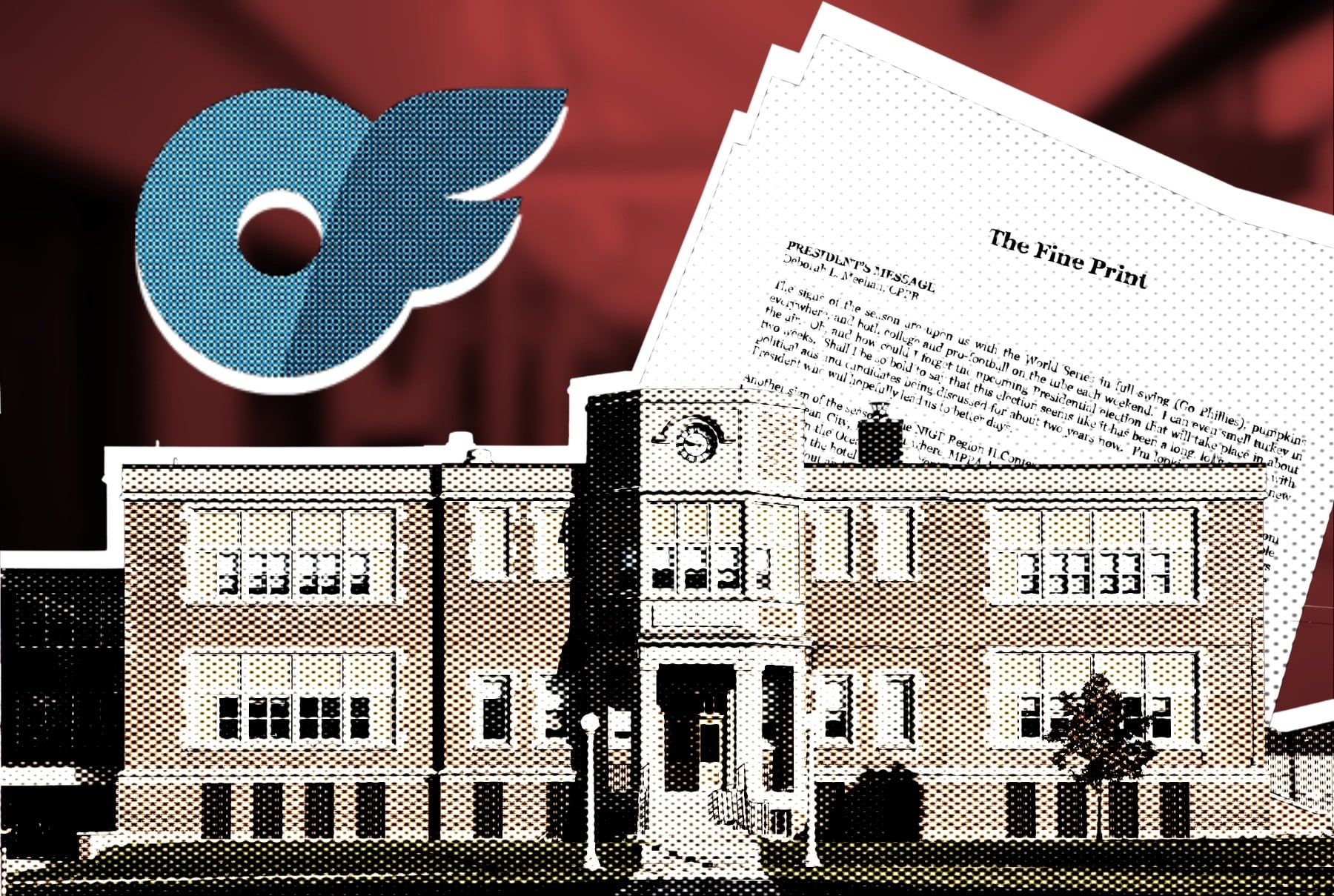
A primary school in Skelmersdale, England, is apologizing this week after parents discovered that its social media policy listed OnlyFans alongside Facebook, Instagram, and TikTok as approved platforms for staff to use. Delph Side Primary School’s policy stated that social networking sites “if used with caution, should have no impact whatsoever on their role in the school.” While the other platforms make sense, parents were not happy to see OnlyFans on that list.
One parent contacted the Liverpool Echo to flag the policy, saying they found it “disturbing” that their child’s school had a document that appeared to greenlight teacher use of OnlyFans. “It reads to me that it is acceptable for teachers to be on it,” they said. “I find it odd to refer to OnlyFans as social media.”
Headteacher Liz Ormerod moved quickly to contain the situation, issuing an apology and explaining that the OnlyFans reference came from local authority guidance adopted years ago and had not been updated when other sections of the policy were refreshed in 2025. “The wording is out of date and does not reflect the platform’s current association with adult content,” she said. The school confirmed it would remove the reference, but as of late last week, the original policy was still live online.
The situation might be funny, but it also has a real and underappreciated observation. OnlyFans has not always been an adult content platform, and technically it still isn’t. At least, not exclusively.
When OnlyFans launched in 2016, it was built as a general subscription platform for creators of any kind. Musicians, fitness coaches, chefs, and journalists were all welcome to create accounts that would allow subscription access. The adult content migration happened gradually and then all at once, driven by the platform’s relatively permissive content policies and the income potential that drew adult creators in large numbers. By the pandemic era, the association was essentially complete in the public’s mind. The platform’s 2021 attempt to ban explicit content (which was reversed days later after pressure from creators) was partly a reaction to how thoroughly that association was cemented.
But the platform still hosts non-explicit content. The musicians, fitness coaches, chefs, and journalists that OnlyFans wanted to attract do use the platform, just not quite on the scale OnlyFans originally planned. And the OnlyFans CEO has spent years insisting there is more to OnlyFans than sex, pointing to the platform’s SFW creator community and its expansion into sports, comedy, and podcasting. The school’s 2022 policy, written when local authorities were assembling generic social media lists, wasn’t entirely wrong in chategorizing OnlyFans as a social media platform. It was just out of touch with how the platform is perceived by parents who saw the document in 2026.
The teachers-and-OnlyFans intersection isn’t something new. There’s a real history of teachers across the United States and the UK losing their jobs after being outed as ONlyFans creators. Some content was explicit, but not all. For most schools, the type of content didn’t matter. Once a student or parent discovered the account and notified the school, the teacher was terminated, often under conduct clauses that gave schools significant discretion. Courts have generally sided with schools in these cases, especially when the content was explicit, though the legality is more complicated when the content is totally SFW. After all, many teachers argue that their personal life is their own business since it has nothing to do with their time as a teacher.
The double standard here is one that adult content creators have been pointing out for years. A teacher who models for, say, a lingerie brand is treated different than a teacher who posts the same imagery on OnlyFans. It’s the platform that triggers the response, not always teh content. A teacher with a completely SFW fitness OnlyFans account, who posts workout videos only, will face a different institutional scrutiny than a teacher who posts the exact same content on a platform like Instagram, even if the functionality is the same. The stigma is attached to the platform name, not the material.
Delph Side Primary’s accidental inclusion of OnlyFans in its approved platforms list is embarrassing for them, and perhaps many think the apology is appropriate here. But the underlying confusion about what OnlyFans actually is, what it hosts, and if the platform name alone is enough for concern reflects where there is still progress to be made. While the school has now updated the policy, the better question is: should they have been forced to?