
Or at least out of the state. OnlyFans creators are paying the price – literally.
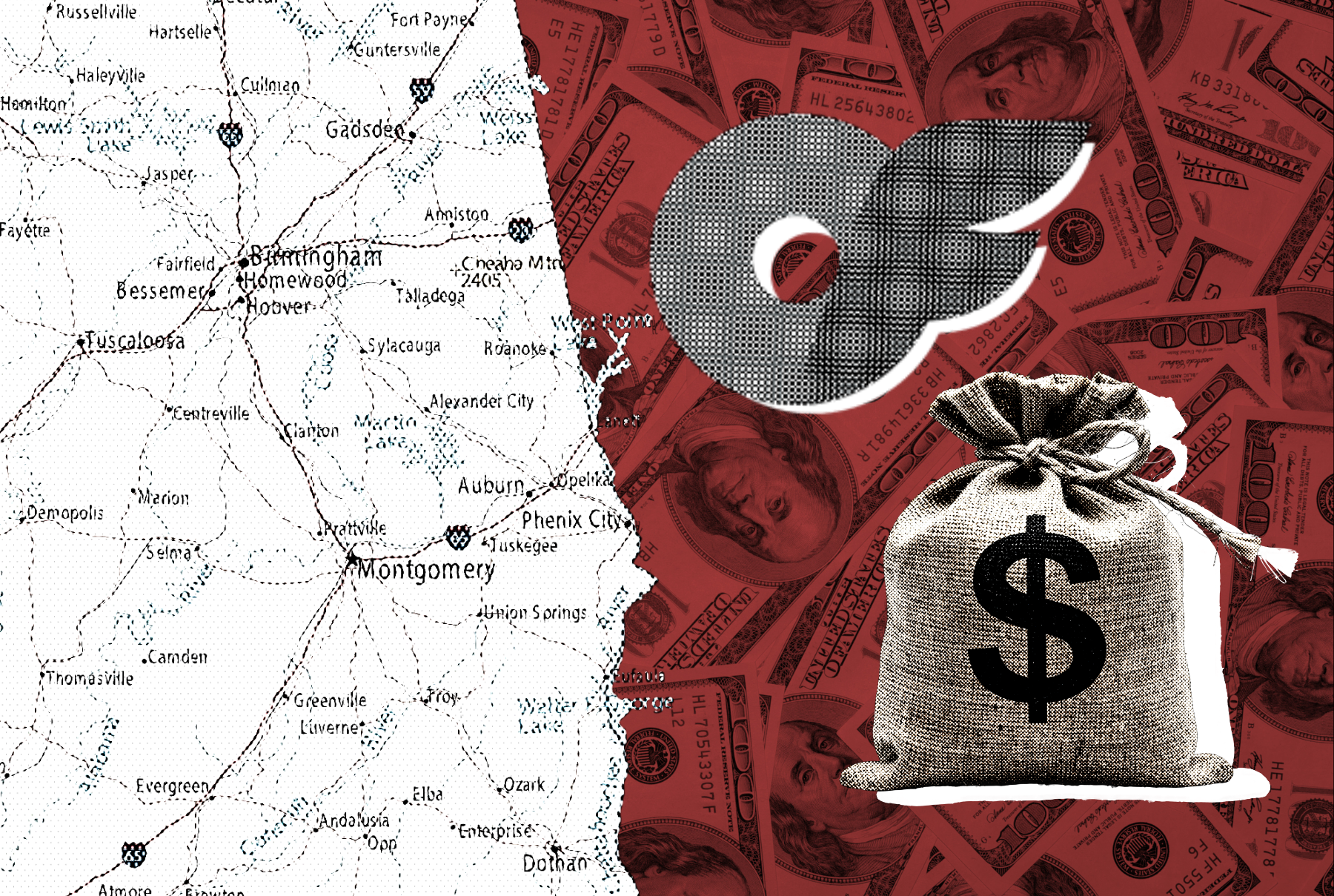
Alabama has long had a complicated relationship with adult content, but over the last couple of years, it has quietly become one of the most hostile jurisdictions in the entire United States. The state is set to collect 10% of revenue on adult content, is actively trying to make it more difficult to access (and not just for minors), and if not, outright outlaw the industry entirely.
All OnlyFans creators should be keeping a close eye on what’s going on, even if they don’t live near the state. Because what happens in Alabama may not be an isolated case.
In 2024, Alabama passed House Bill 164, a sweeping piece of legislation that layers multiple restrictions on adult content into one tidy package of legal headaches. The headline provision is the 10% tax on gross receipts from adult website content, including subscriptions, memberships, performances, and anything else remotely related, that is “produced, sold, filmed, generated, or otherwise based in” the state. The language is interesting, because in theory it could mean that OnlyFans as a company also must pay 10% of the money made from Alabama-based creators, as well as 10% of the money paid by Alabama subscribers/buyers.
The state’s Department of Revenue has also begun contacting adult websites about setting up “Material Harmful to Minors tax accounts,” despite the fact that many adult websites proactively block Alabama users thanks to the age verification requirements that require adult website users to grant access. It’s not that these platforms are against ensuring minors can’t access their platforms. It’s that the law puts these companies in a bind by simultaneously requiring them to verify users are of age by reviewing government-issued ID, third-party verification services, or biometric data, yet also prohibiting them from retaining that personal information. That conundrum spurred many platforms to simply block the entire state of Alabama from accessing their sites. No access, no legal headaches.
But that decision impacts Alabama-based creators. While OnlyFans hasn’t blocked the state yet, they could decide that complying with Alabama’s new laws isn’t worth it and take that action. Which means that a creator based in Birmingham who has built a following and a revenue stream could find herself effectively locked out of the platform. Not because she did anything wrong, but because Alabama made the legal environment too hostile for the company to operate in.
But that’s not all. There’s also a notarization requirement, which may be the most creative part of this whole thing. Any commercial entity publishing content must obtain written performer consent documents that aren’t just signed, but are also sworn before a notary public and retained for years. This isn’t typically how content creation works. Most independent contractors do get signed permission before shooting content, but they rarely have a notary around to sign off. Under this law, someone filming solo content in her apartment in Alabama could potentially be required to physically appear before a notary for every piece of content she produces, which is both a significant logistical (and potentially financial) burden…or an effective deterrent. Which is, of course, the point.
HB 164 also mandates a warning label on adult sites containing statements that have already been found unconstitutional in Texas, including claims that pornography “weakens brain function” and “increases the demand for prostitution, child exploitation, and child pornography”. These aren’t established facts; they‘re just moral panic. Despite a Texas judge already ruling on this language, Alabama included it anyway.
The constitutional questions are real, as lawful adult content is protected speech under the First Amendment. Content-based taxes on protected speech require even more scrutiny, and organizations like the Free Speech Coalition have taken notice. Their executive director noted that in a pre-2025 legal world, this would have been a clear case of unconstitutional selective taxation. But recent Supreme Court cases have shifted the ground enough that they’re not sure anymore. While the law may be ambiguous, the intent is not. When Pornhub blocked Alabama users instead of complying, state Representative Ben Robbins celebrated. Because for many in the Alabama government, the goal was never protecting kids. It was getting rid of access to porn.
Alabama isn’t the only state trying to regulate the adult industry. Several others have taken steps as well, and it’s leaving creators worried about the long-term impact on their livelihoods. Some may be forced to relocate to other states to continue what they’ve worked so hard to build.
While Alabama may not be cracking down on OnlyFans creators as hard as Russia, what they’re doing isn’t that dissimilar. Both governments are restricting what their citizens can and can’t do with online content.