
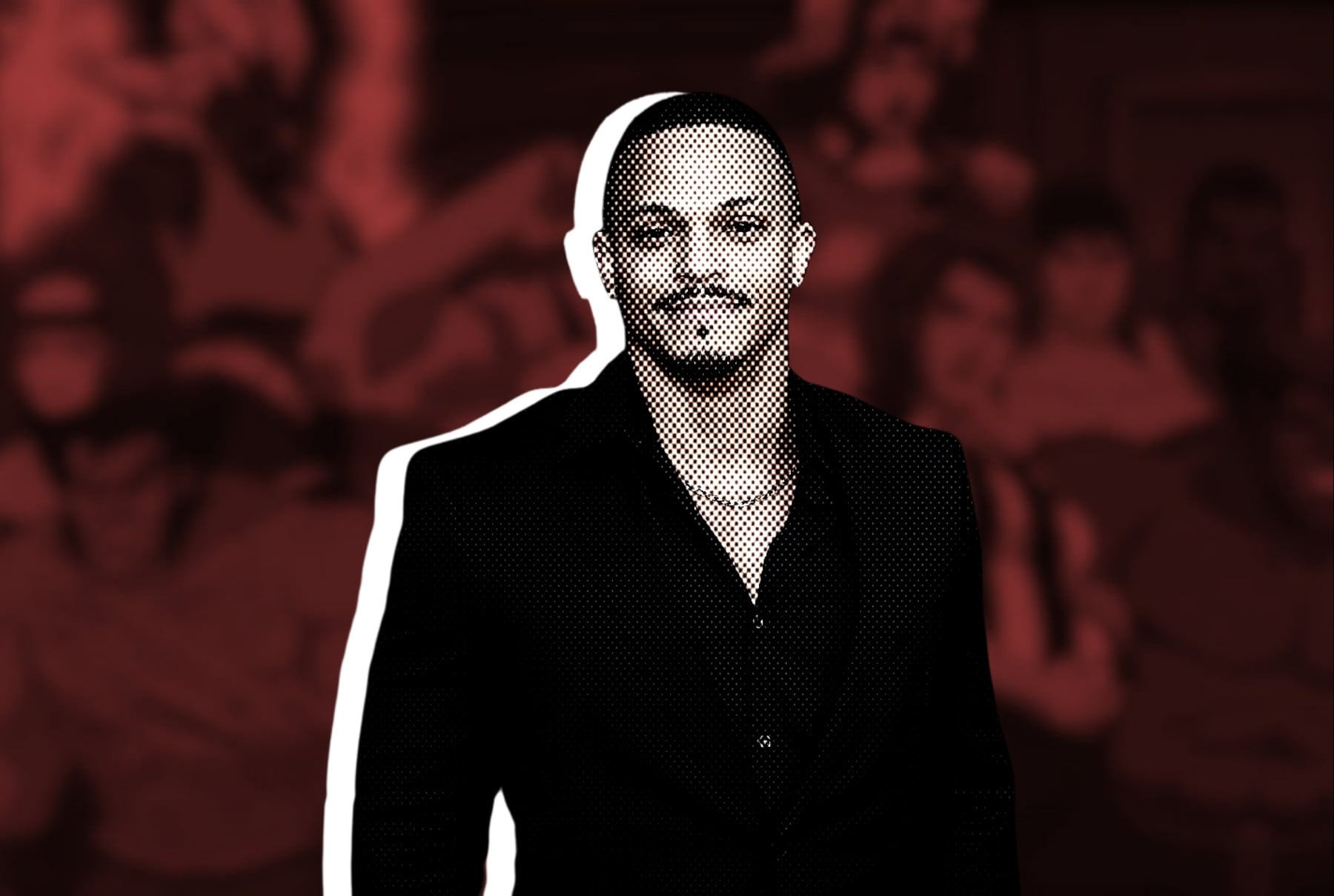
Beau DeMayo created one of the most critically acclaimed animated series in recent memory. X-Men ‘97 premiered in March 2024 to the kind of reviews that showrunners dream about. It was called nostalgic, emotionally devastating, and technically sharp. It was widely regarded as one of the best things Marvel had produced in years. Unfortunately, DeMayo wasn’t there to see it. He’d been fired weeks before the premiere after what Marvel described as an internal investigation into alleged sexual misconduct.
Nearly two years later, DeMayo is talking. And what he has to say is a bit more complicated.
In a recent interview with Vanity Fair, DeMayo addressed the thing that has hovered over his firing since the beginning: his OnlyFans account. He says Marvel knew about it and that it was cleared. “It was like, ‘It is your personal life. As long as you’re not advertising the show on your OnlyFans, as long as you’re keeping it very separate from the content of the show, it’s outside of their purview,'” he told the magazine.
If that’s true, it means a major Disney subsidiary explicitly cleared an employee’s adult work as a condition of his employment, only to later imply in headlines that his work with OnlyFans was disqualifying. DeMayo called the sexual misconduct allegations false. His attorney has called Disney’s pattern of behavior “repetitive” and “illegal”. Marvel has not elaborated beyond its original statement that the termination followed an internal investigation and that the findings were “egregious”.
Basically, there’s a dispute between a man said he was cleared and gaslit, and a corporation that has declined to explain itself publicly.
But the OnlyFans element is only part of the story. DeMayo also revealed that the Marvel environment before the firing was less than ideal. Comments like “you don’t look like a showrunner” and “you don’t look like a writer.” All those incidents added up, leaving DeMayo feeling like he was tehre to check a demographic box rather than because of his obvious talent. And with X-Men ‘97 getting a second season before the first episode even aired, must be considerable.
“There was that vibe that I was the DEI hire, where, ‘Oh, they just got a gay Black guy because he checks all the marks and it’s X-Men,'” DeMayo said. He explained that the vibes became more explicit when he returned to X-Men ‘97 after working on the ultimately cancelled Blade reboot starring Mahershala Ali. “Some of those racist, sexist, homophobic vibes that I was getting before Blade became much more explicit.”
He also had his Season 2 credits stripped after posting X-Men fan art for Pride Month, a move Marvel sourches attributed to breaches of the separation agreement, and which DeMayo described as part of “a troubling pattern”.
“It’s been very traumatic,” he said. “I thought I was in a safe space, and then quickly found out that I was not in a safe space. My therapist is well employed.”
The lawsuit DeMay filed is still working its way through the legal process. What it’s already done, regardless of the final outcome, is force a public accounting of how one of the world’s most powerful entertainment companies treated a creator who delivered them a genuine hit.
But back to the OnlyFans of it all: it’s part of a larger question about who gets to have a full life outside of work without it being used against them. This isn’t a Hollywood problem. It’s global, and it’s one that many people are facing. In this case, DeMayo disclosed his adult content work and it was cleared. He kept it separate from his professional role, and yet it was still used against him by his employer.
Despite how much OnlyFans has gained cultural relevance, there is still a stigma for creators. It’s the same stigma they face when they are denied bank accounts, shadowbanned, or quietly passed over for opportunities in other industries. The work, once known, becomes an asterisk and follows creators. And it shouldn’t be that way.