
Disney flew nearly 70 Latino creators to Burbank and Disneyland for a three-day summit in late September. The company put them up at the Grand Californian, treated them to an “Aladdin” performance on the studio lot, and let them film everything. Combined, the group has more than 185 million followers. The company says it didn’t pay them to attend beyond covering lodging and didn’t require a set number of posts. But it got dozens of vlogs, “get ready with me” videos, and comedy sketches featuring the company anyway.
Clearly Disney is scaling the influencer model, and they’re doing it well. It says it has worked with more than 6,000 creators this year, up 30 percent from 2025, generating nearly 12 billion social impressions. “Creators are our best digital billboards these days,” said Nicole Leo, the company’s vice president of creator content and partnerships. Chief marketing officer Asad Ayaz called it an “always-on relationship” with fans. The company has also signed Dude Perfect, struck a TikTok deal giving creators access to Disney assets, and plans to bring creators to the Super Bowl and Grammys, both airing on ABC (which is owned by Disney).
The upsides are easy to see. For Disney, creators deliver authenticity and reach that a commercial can’t, at a cost that looks small next to a media buy. For creators, the access is more than worth it. Influencer Natalie Aguilar said it felt surreal to have a company she grew up watching suddenly want to work with her. Creator Arthur Menezes called the arrangement “a win-win.” Isa Kristen, a full-time creator, noted that anything posted about Disney tends to perform well.
The downsides, though, can be complicated. Fans follow Disney creators for honest takes on what’s worth buying in the parks, and a creator who’s been hosted for free has an obvious incentive to be generous with their review. Park regular Randy Policar put it bluntly: Disney will tell you to try a new treat, but only a creator will say when it “kind of stinks.” That honesty is what makes the creators valuable, and it’s what the free hotel rooms could quietly wear down.
There’s also a concern from some creators that Disney doesn’t actually pay cash much, instead paying in access. For some creators, that’s more than enough (Disney properties are notoriously pricey.) For others? Not so much. Disney does have paid partnerships with some influencers, but the summit model like the one last month runs mostly on exposure and perks, leaving creators to turn it into income on their own. That’s a familiar story. A survey of more than 5,000 creators found two-thirds earned under $10,000 last year.
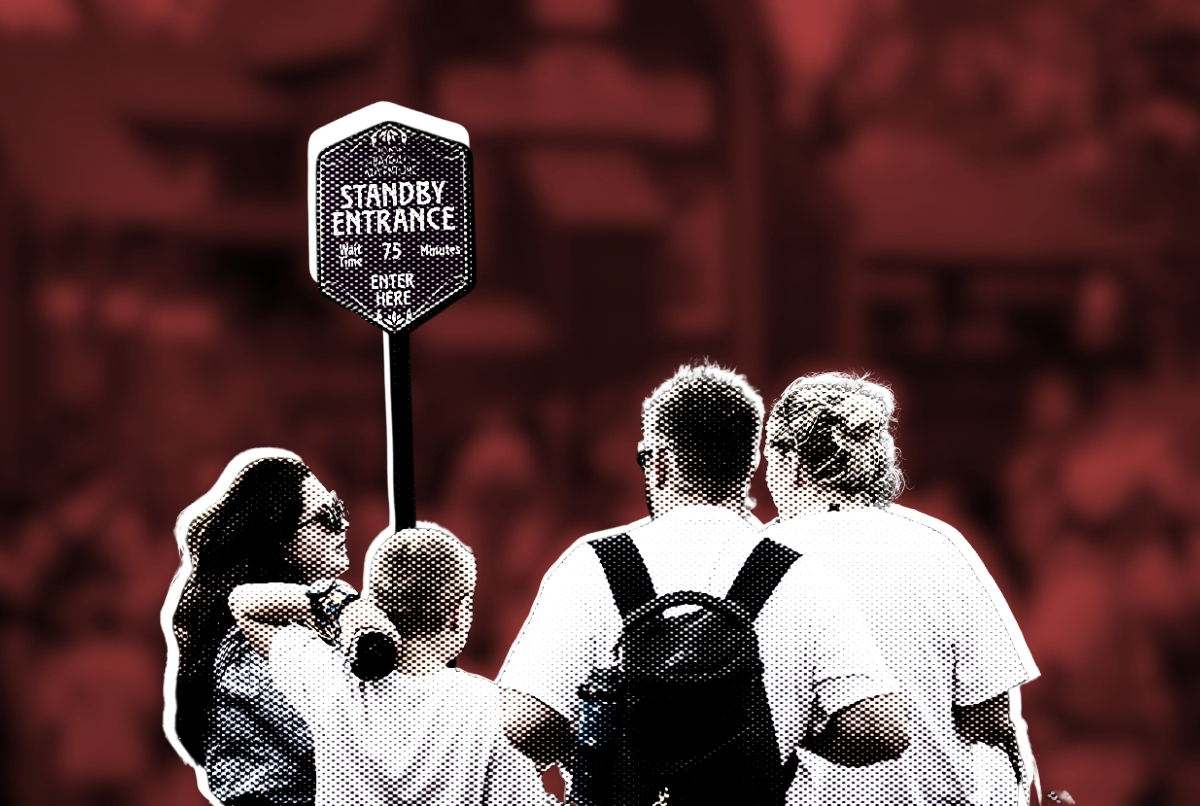
And many park regulars worry about how crowded things are getting. On Reddit, fans of the parks had plenty to say about what it feels like on the ground. “I do worry that they are going to encourage people to keep creating and that will take away from the magic of the parks,” one user wrote. Another was harsher: “Social media has destroyed the park experience. Influencers there are the worst. But everyone uses it as content farm and FOMO retreat.” A third offered a compromise: “ok- but make it a Creator’s Day and ban them on regular days. I don’t need ten cameras up in the air blocking my view of the fireworks. Or cameras on rides. Disney must realize how annoying these people are.”
Not everyone sees this as new. “They have always done this,” a commenter wrote. “They used to travel dozens of mommy bloggers several times per year. They have people who haven’t had a meaningful blog following or even updated in years still on their list. It’s worked for them for 20 years.” Another user replied with the point that matters: “The scale of it is the new thing.”
And that user is right. The scale of the content economy is growing. Disney has courted influencers since the blog era, which makes it a veteran in a field Hollywood is only now taking seriously. CAA launched a $250 million venture to buy creator businesses, FOX built a creator studio, Live Nation started Creator Nation, and the American Film Market added a creator panel. Disney is the proof of concept, and the rest of the industry is copying the playbook.