
Real creators weigh in on the proposed online safety legislation.
The UK government recently announced one of the most sweeping overhauls of online safety law in the country’s history. The idea is protecting kids online, with the plan that children under 16 should be banned from major social media sites, including Instagram, TikTok, Snapchat, YouTube, Facebook, and X. These protections are expected to come into effect by spring 2027. The law will also block under-16 use of livestreaming and communicating with strangers online, making the new romantic and/or sexual AI chatbots restricted to adult-only use.
Prime Minister Keir Starmer called it “a line in the sand,” backed by a national consultation that drew over 116,000 responses. Nine in ten parents said they supported the ban, and on paper, it sounds like exactly the kind of decisive action that parents have been demanding for years.
But for social media influencers, adult content professionals, and OnlyFans models, the announcement landed differently. Because buried inside the good intention is the question nobody in Westminster seems particularly interested in answering: what happens to the legal adult industry when the government starts pulling on these threads?
The proposal doesn’t target adult content directly. It doesn’t have to. The infrastructure required to enforce and under-16 social media ban (think age verification at scale, stricter content moderation, tighter platform controls) has a way of catching legal adult creators in the crossfire. It’s already happening in other parts of the world (Alabama has recently made headlines with their new laws), and creators worry about what will happen in the UK if this goes through.
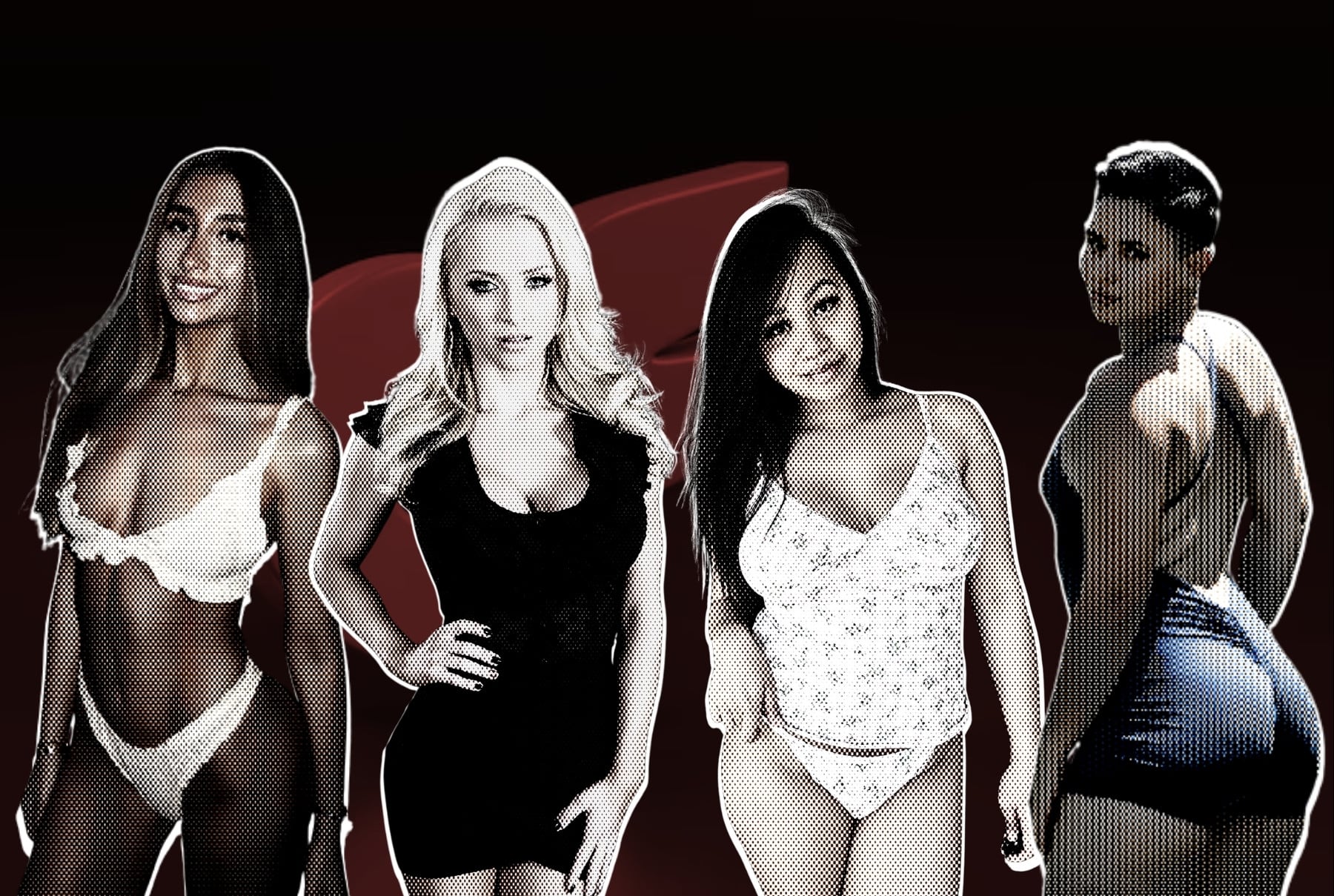
UK-based creator Lily Phillips knows this dynamic firsthand. “Obviously, if they do exactly as they say, then I think that’s amazing,” she explained. “I’m not sure exactly how they’re going to do it without further cracking down on sexual expression of adults, which is a worry for me because we already get discriminated against on social media platforms when we are abiding by the social media platform rules.” Phillips points out an issue that is already plaguing Instagram: “A lingerie or bikini brand can post a lot more explicit content than what a sex worker could.” The new rules seem to be codifying the standards that Instagram has already implemented. But more aggressive moderation won’t fix the problem. It’ll amplify it.
Australian creator Emily Mai agrees that protecting children online is non-negotiable, but she’s skeptical about who actually bears the costs of these measures. “These safeguards also damage the consenting and safe parts of the adult industry,” she said. “It makes it harder for consenting adults to work and actually makes it easier for non-consenting content to get accessed, because people turn to the dark web for content.” It’s a point that Scotland’s children’s commissioner Nicola Killean echoed from a child safety angle, warning that blanket bans risk pushing children to less regulated corners of the internet. The same logic applies to adults: restricting legal platforms aggressively doesn’t eliminate demand, it just redirects it somewhere else. And that place could be much darker than Instagram.
Kit Barrus, a creator based in the United States, has a more fundamental objection. “My first immediate reaction is that censorship, extreme censorship in particular, is almost never a good thing,” she said. She’s also skeptical that the ban will work at all. “I think that no matter what restrictions the government poses, no matter what they try to do, kids will find a way around it.” Her preferred alternative? Better parental controls rather than a government-mandated blanket ban. But she’s also watching something bigger with concern: “Porn is already a villain in most people’s eyes, so it’s a really easy way for the government to go, ‘Well, since you guys all hate this, let us censor it.’ Slowly, people start giving the government more and more permissions.”
Fellow American creator Alix Lynx drew a clear line between child protection (which she supports without reservation) and overreach into adult autonomy. “Adults can smoke cigarettes, go to war, and vote, so they should be able to watch pornography and make their own choices,” she said. She’s already experiencing the practical reality of aggressive moderation. “On Instagram, I’ve had my account marked as not eligible for recommendation because of posts that didn’t violate any rules. I see other creators posting similar or more revealing content without any consequences. I do believe sex workers and adult creators are often targeted more aggressively by moderation systems.”
That’s the core tension that the UK government hasn’t resolved. The mechanics of protecting children online by way of age verification, content filtering, and stricter platform enforcement don’t exist in a vacuum. They are applied by platforms that already moderate adult content creators unevenly. Adding more regulatory pressure to the system doesn’t create a safer internet for anyone. It punishes legal creators for their honesty and integrity while identical content thrives under a different name on a darker platform.
The UK government wants to draw a line in the sand. Creators just want to know why they keep ending up on the wrong side of it, even when they’ve done nothing wrong.