
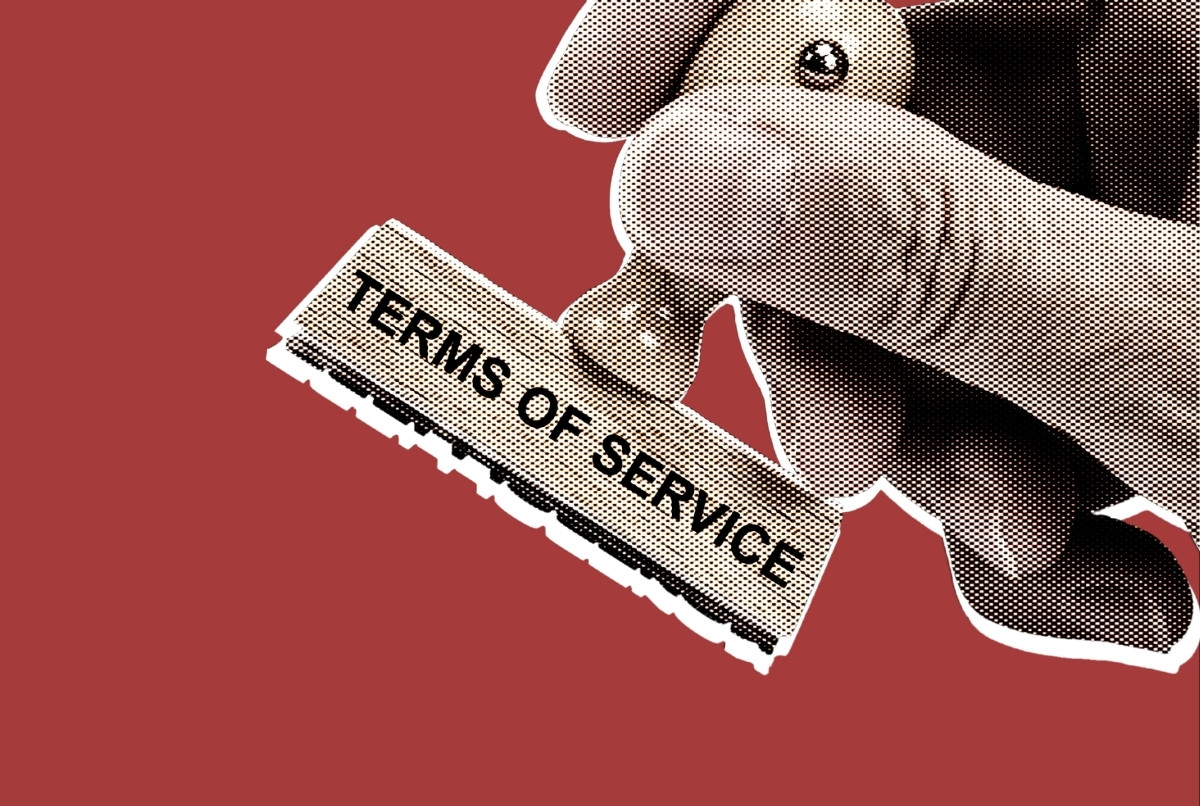
OnlyFans is rewriting the rules of its relationship with creators, and there’s one big change that all creators should be prepared for. Under terms of service that take effect November 1, the platform can suspend an account and hold its earnings without notice on a much lower threshold than before. The August 2024 terms required a belief that a creator had “seriously or repeatedly” breached the rules. The new version drops that bar in favor of “have or may have breached.”
The company emailed creators on October 1, and some are already being asked to accept the terms at login. This update arrives just a few months after parent company Fenix International sold a 16 percent stake to Architect Capital at a $3.15 billion valuation, with an IPO now being floated. A company courting Wall Street has obvious reasons to tighten its legal protection, and the new terms seem to indicate that’s exactly what is happening.
The suspension section adds two more triggers. One covers any action OnlyFans believes “has caused or is reasonably likely to cause” a loss to the company or its users, or harm to anyone’s reputation. The other is failing to promptly provide information the platform requests. Creators who have ignored an OnlyFans email in the past now have a very big financial reason to stop.
The platforms’s responsibility to provide notice (and the creator’s ability to push back) shrank, too. The 2024 terms promised notice before changes took effect, which gave creators time to delete accounts. The new terms promise only “reasonable efforts” to notify. A line saying the platform would try to tell creators about suspensions or deletions has been removed. A statement of reasons after a review decision remains, and creators still have six months to dispute a suspension, deletion, or forfeiture, though the dispute now has to be in writing.
AI and automation are probably the biggest changes. A new section bans any tool “designed to collect any data or information” from content, any tool that gets around OnlyFans’ access controls, and any attempt to train an AI system with creator content. That puts third-party CRM and chat-management tools in the crosshairs. While neither version mentions chatbots directly, OnlyFans’ help center already said creators can’t directly integrate them because the platform has no public API. But another provision says OnlyFans may offer its own AI services for processing direct messages, which suggests the platform may be prioritizing the company’s tools while the rules tighten on everyone else’s. And as always, creators are legally responsible for whatever agencies or chatters do on their accounts.
AI-generated content faces stricter standards. The 2024 terms required a label. The new ones also require the content to clearly feature the verified creator, which could make impersonation accounts easier to report. There is a catch, though. The rule covers anything “generated, altered, or enhanced” by AI, wording broad enough to sweep in the AI-powered editing apps built into most phones.
Of course, there are also changes to how creators get their money. Payouts requiring currency conversion now include conversion fees, where the old version only warned that a creator’s own bank might charge fees. OnlyFans can add “any Tax, fee or other amount” to a fan’s payment, so fans could see higher checkout totals than the listed price. Earnings can go to a third party entitled to them by law or court order, and the platform can confirm that bank details match ID verification. Affiliate links now count as advertising, requiring an ad label, the brand name, and who paid.
Fans see changes, too. Subscriptions are explicitly nonrefundable, though fans can cancel by emailing support. When a card declines, OnlyFans can retry multiple times before a renewal fails, a rare tweak that favors creators. The terms also introduce “Direct Services,” products OnlyFans sells straight to users, including free trials that convert to paid subscriptions automatically. They don’t say what those products are yet.
Some things stayed the same, like the 20 percent fee, the right to close any account with 30 days’ notice for any reason, the perpetual license to creator content, a liability cap at the greater of fees paid or $5,000, and a one-year window to file claims. The platform still claims no responsibility for content reposted elsewhere.
For creators who rely on OnlyFans as a primary source of income, it’s essential that they take the time to understand these changes. And for fans, be prepared to see some changes in the near future. Especially in your final total at checkout.