

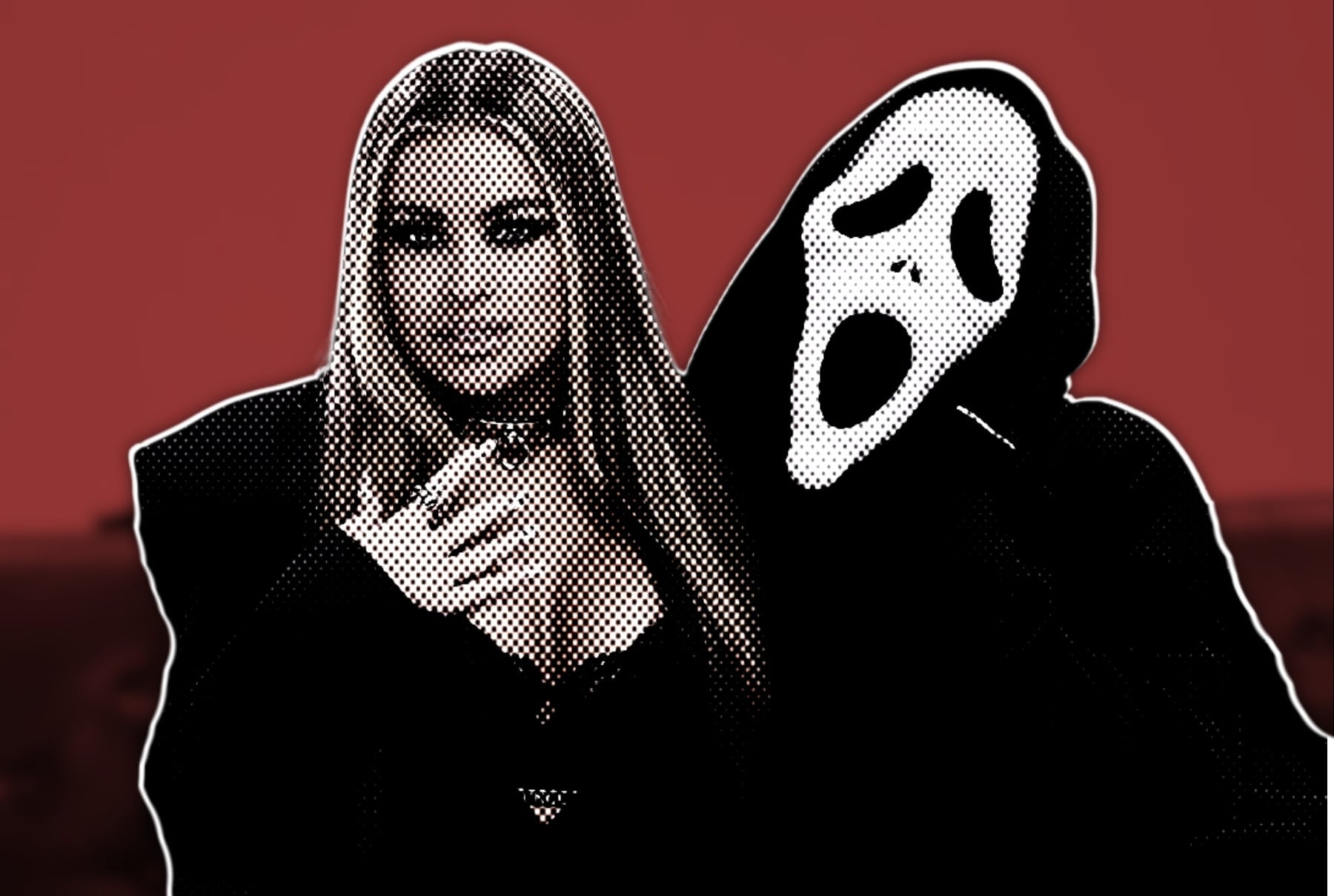
The masked killer from the beloved Scary Movie franchise officially has an OnlyFans account. It’s free, it’s run by a Hollywood studio, and it was launched in a video directed by Carmen Electra. Why? To promote the digital release of Scary Movie 6, a film that grossed $228 million worldwide and sits at 23 percent on Rotten Tomatoes. The account is teasing “spicy content” from Ghostface, which is a sentence that exists in the world now.
It may seem like a joke, but it’s a real marketing strategy being used by a studio with a $30 million production budget. And it’s a strategy being used more and more often by organizations you’d least expect.
Like the Canadian pottery guild using the subscription platform best known for porn to try to attract younger audiences to ceramics with their suggestive clay tutorials. The Hill Potters Guild, an organization that has spent decades promoting the craft, used the platform’s built-in cultural transgression as a hook, knowing people would click on their OnlyFans out of curiosity and stay for the content about the wellness benefits of working with your hands. Or by the scientists at the Rocky Mountain Biological Laboratory in Colorado, who launched an OnlyFans to fund their marmot research after federal funding cuts threatened a 60-year study.
The list of brands, institutions, and promotional campaigns using OnlyFans as a vehicle for something other than adult content has been growing steadily for years, and Ghostface is its latest and maybe most absurd entry.
But the real question is: why does this keep happening? It’s not complicated: OnlyFans has cultural weight now. It is recognizable, and since it reads a little transgressive, the decision to join generates press coverage. When a pottery guild launches an OnlyFans, people write about it because it’s unexpected. When a horror franchise does it, people write about it for the same reason. The name does the work. The name carries weight because adult creators gave it weight with their years of audience building, generating content, and making the platform so culturally unavoidable that people think Bonnie Blue was referenced in a Minions movie.
Whether this shift benefits creators is worth asking, though, because the answer seems to run in both directions.
It helps because every time a mainstream brand uses OnlyFans for something, the platform becomes less stigmatized. Ghostface’s free account sits on the same platform as adult creators’ paid content, and anyone who signs up to see what Ghostface is teasing is technically an OnlyFans user. The platform’s legitimacy expands, and cultural association broadens. The argument that OnlyFans is purely pornography (the argument that payment processor discrimination, banking restrictions, and social media suppression use) gets a little harder to sustain when a major Hollywood studio is using it for promotional stunts.
And yet it doesn’t help, because bands are borrowing the platform’s cultural cachet without paying for it. They get the attention-grabbing association with something edgy without any of the risks that adult creators absorb daily. Ghostface’s account will get press coverage, generate some social media engagement, and disappear. The creators who made the platform famous will still be fighting for basic financial infrastructure.
The pottery guild, the marmots, and now Ghostface. The platform built on the backs of adult creators has become the destination brands reach for when they want to look bold with minimal risks. It’s a strange tribute, but it could translate into something net positive for creators.