

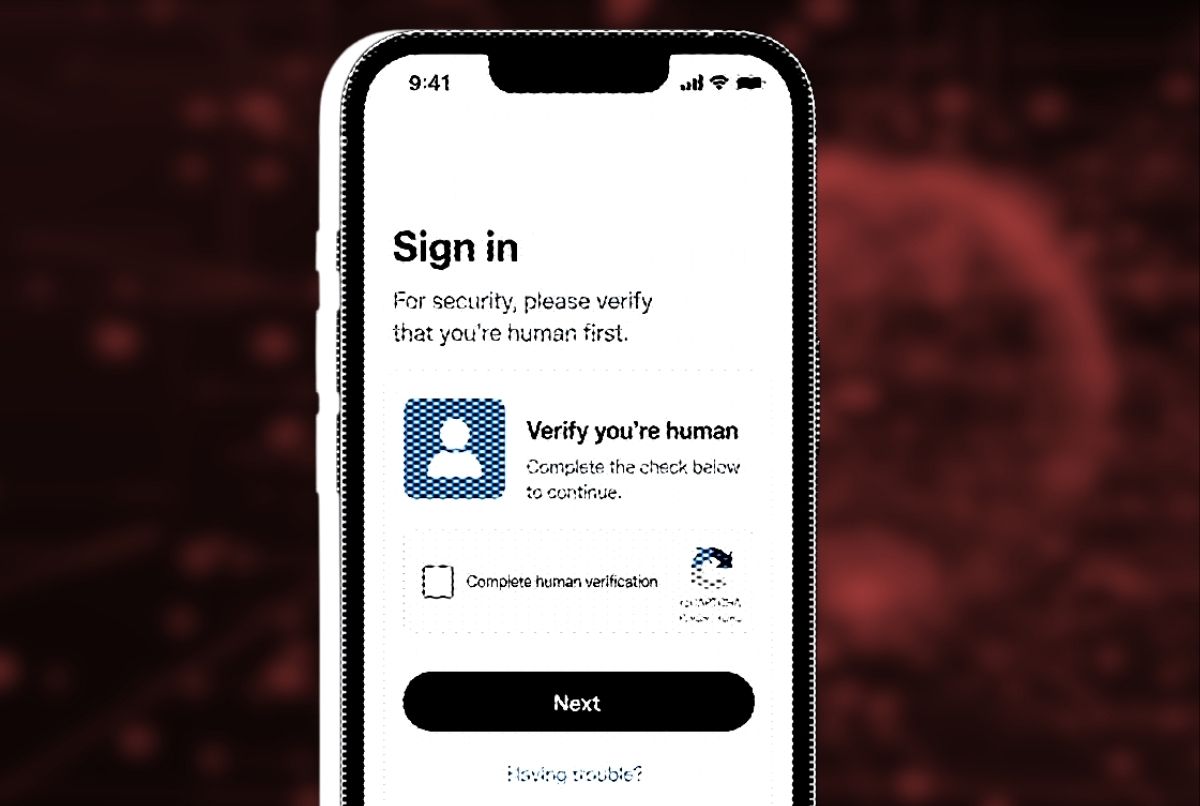
X is done guessing which of its accounts are people. The platform is rolling out “liveness checks,” a test that flagged users must pass to prove a human is behind the screen. And if they don’t? Their account is frozen.
“If our systems flag your account for unusual or automated-looking activity, we may ask you to complete a quick liveness check,” the company said in an announcement. Accounts in good standing won’t be asked. For the accounts that are at risk, there are two options now and a third coming soon: verify through device biometrics, meaning Face ID, Touch ID, or Android’s biometric unlock, or record a short selfie video. A hand-motion check, in which a user waves a hand in front of the camera, is listed as “coming soon.” X says the process should take only seconds, and passing restores full access.
The check isn’t optional. Until a flagged user completes it, the account can’t post, follow other accounts, or send direct messages. While they didn’t use the term, it’s essentially a freeze, and for anyone who earns money from the platform, that means a freeze in revenue, too.
It’s the latest step in a long and awkward history between Elon Musk and bots. In 2022, before he owned the site, Musk tried to cancel his deal to buy Twitter, claiming the company had been hiding how many accounts were spam, which he said could be 20 percent or “much higher.” He promised that if his bid succeeded, “we will defeat the spam bots or die trying.” Four years later, Musk was found to have used those comments about fake accounts to mislead Twitter shareholders and manipulate the company’s share price. The war on bots continues anyway. X’s former head of product said in April that the platform was identifying and suspending 208 bot accounts per minute.
It’s curious that at the same time X is seeming to crack down on automated accounts, it is inviting brands to create their own Grok-powered bot accounts that can carry out business-related tasks. Various reports suggest the platform’s bot problem has gotten worse under Musk, and the push toward AI-run accounts has blurred what a “bad” bot even is. Meta, an X competitor, once floated the idea of launching millions of AI profiles to boost engagement. The line between a spam bot and a branded assistant is increasingly a matter of who owns it.
Yet X’s verification push also extends beyond bots. Last year, the company added age checks to comply with the UK’s Online Safety Act, including AI-powered methods like selfie verification, and it’s now building a Grok-powered age-check process for other regions. It also works with a third-party ID verification partner, Au10tix, for access to certain features.
X hasn’t said what counts as “unusual or automated-looking activity.” Creators who schedule posts, use promo tools, or manage multiple accounts could look suspicious to an algorithm, and a failed or ignored check means a frozen account at the worst possible moment. Then there’s the biometric question. Sex workers have been warning each other this year that facial recognition can follow them across borders and platforms, and a selfie video or face scan sent to a platform is one more piece of data that can follow them.
It’s also awkward that Grok, the AI X is building its age checks around, was behind 87 percent of the traceable synthetic files in documented deepfake attacks in the first half of this year. Some people may not feel comfortable handing their faces over to a company like that. But if you want to keep your X account, you may have to take that risk.