

Who knew St. Louis was featured in so many different types of movies? Documentaries, thrillers, comedies and more have set up production here, from On Fire, starring William H. Macy and John Corbett — filmed in locations around Maplewood and St. Louis last November and December and coming soon to a theatre near you — all the way back to 1959’s The Great St. Louis Bank Robbery.
In recent years St. Louis hasn’t been the first place Hollywood would choose as a filming location because Missouri didn’t offer large tax credits to film production companies, but the state hopped back on that train this past year, which could lead to more St. Louis staples on the big screen.
Scroll down for a selection of St. Louis’ starring roles on the big screens — and a few interesting cameos, too.
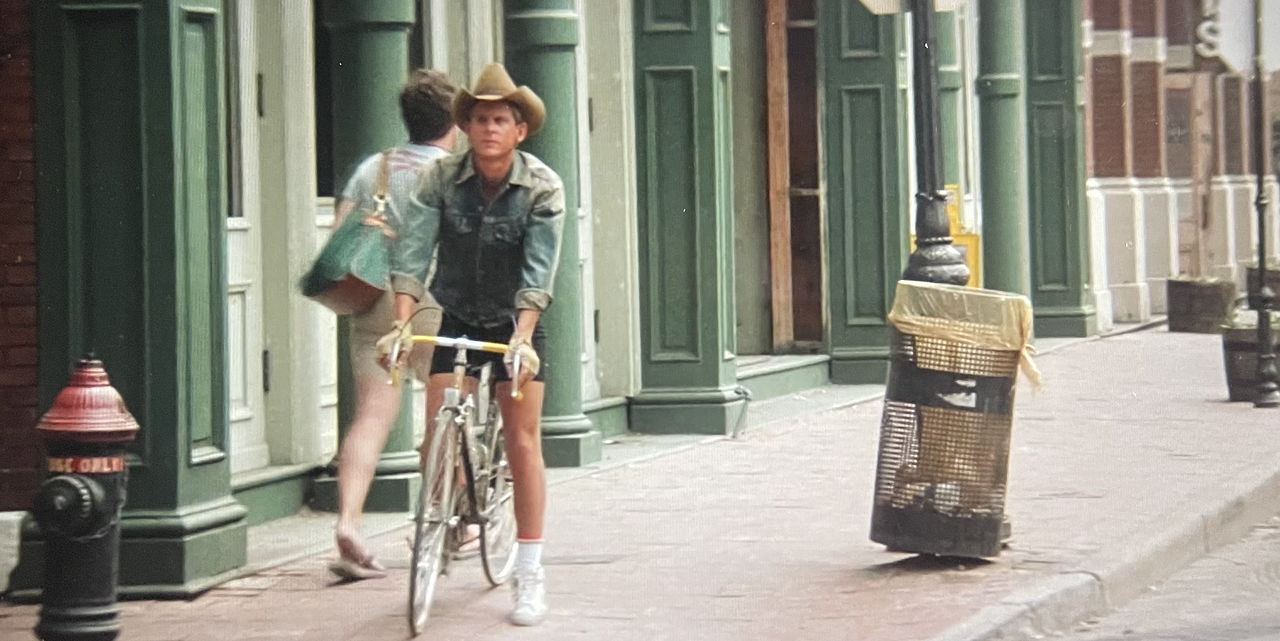
John Badham used Laclede’s Landing (104 North Leonor K. Sullivan Boulevard) as the opening sequence for American Flyers in 1985. Sports physician Marcus Sommers (played by Kevin Costner) visits his family in St. Louis. The opening scene shows Sommers riding a bike through Laclede’s Landing with views of the Mississippi River and the Arch.
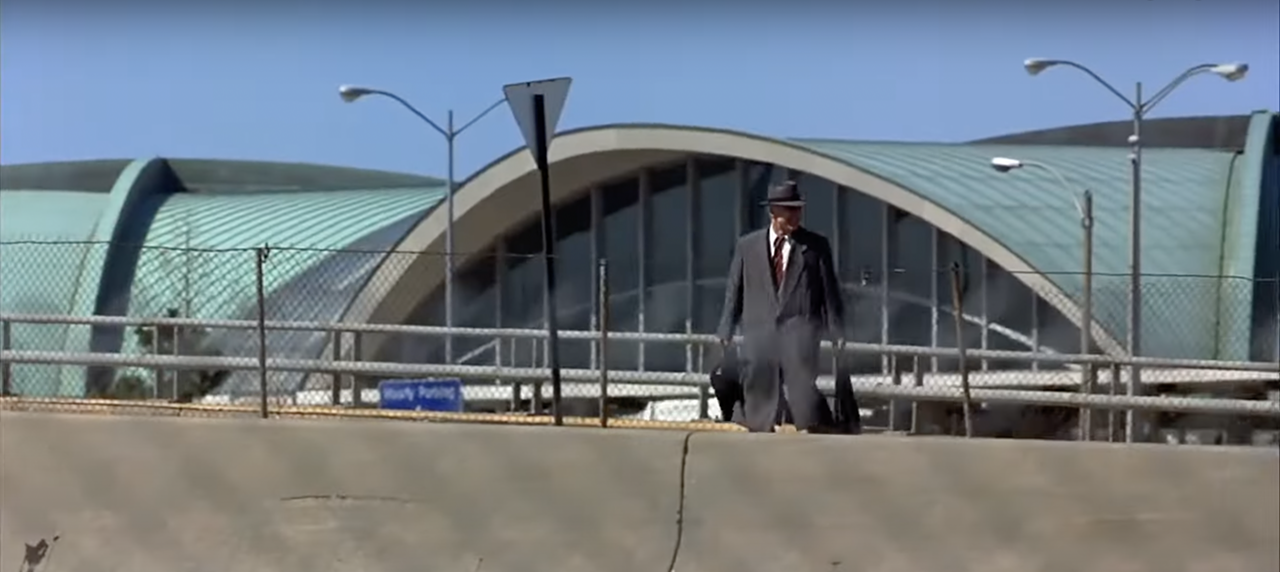
In Plane, Trains and Automobiles, star Steve Martin filmed a key scene at Lambert International Airport (10701 Lambert International Boulevard). The movie tells the story of Neal (played by Martin), who is trying to get home to Chicago for the holidays. Neal makes it to Lambert via bus from Jefferson City, where he then attempts to rent a car but is unable to find it. Naturally, hilarity ensues.
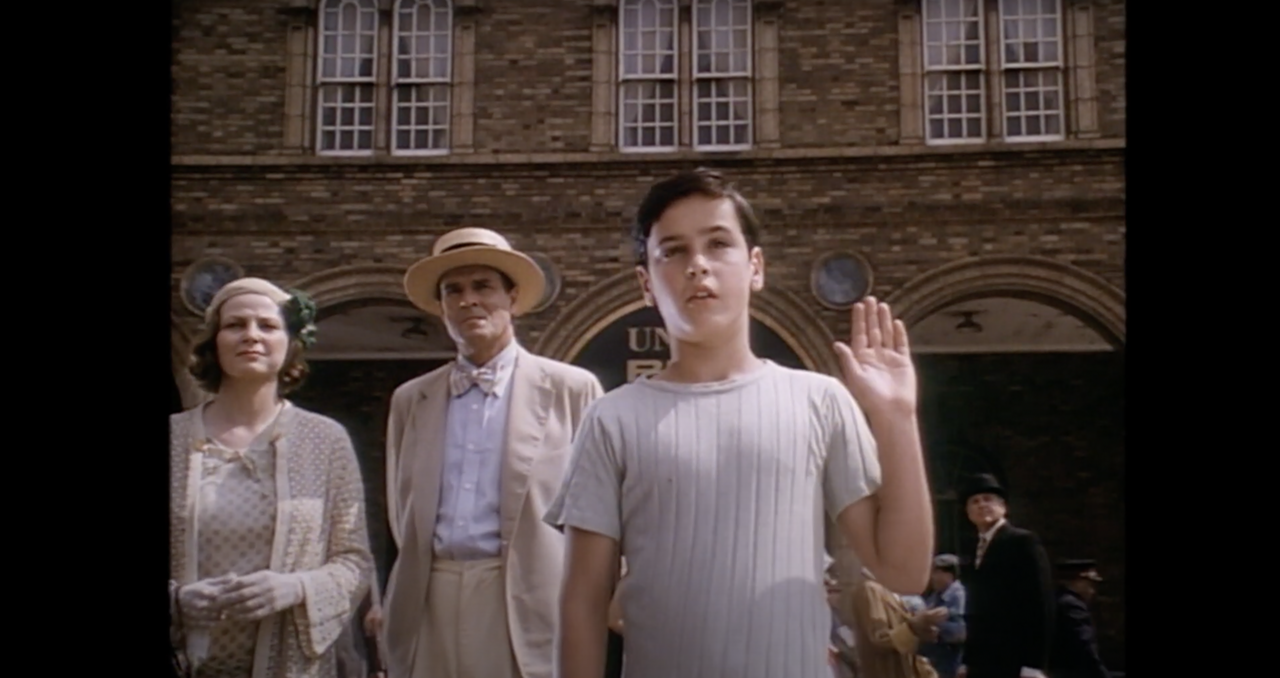
The 1993 film King of the Hill is based on the Depression-era memoir of St. Louis-born writer A. E. Hotchner. The drama follows the story of a boy struggling to survive on his own in a hotel in St. Louis after his mother enters a sanatorium with tuberculosis and his younger brother is sent to live with an uncle. King of the Hill used 16 Portland Place in St. Louis as Billy Thompson’s house in the movie as well as the Soulard Farmers Market (730 Carroll Street), which portrays the Union Bus Terminal.
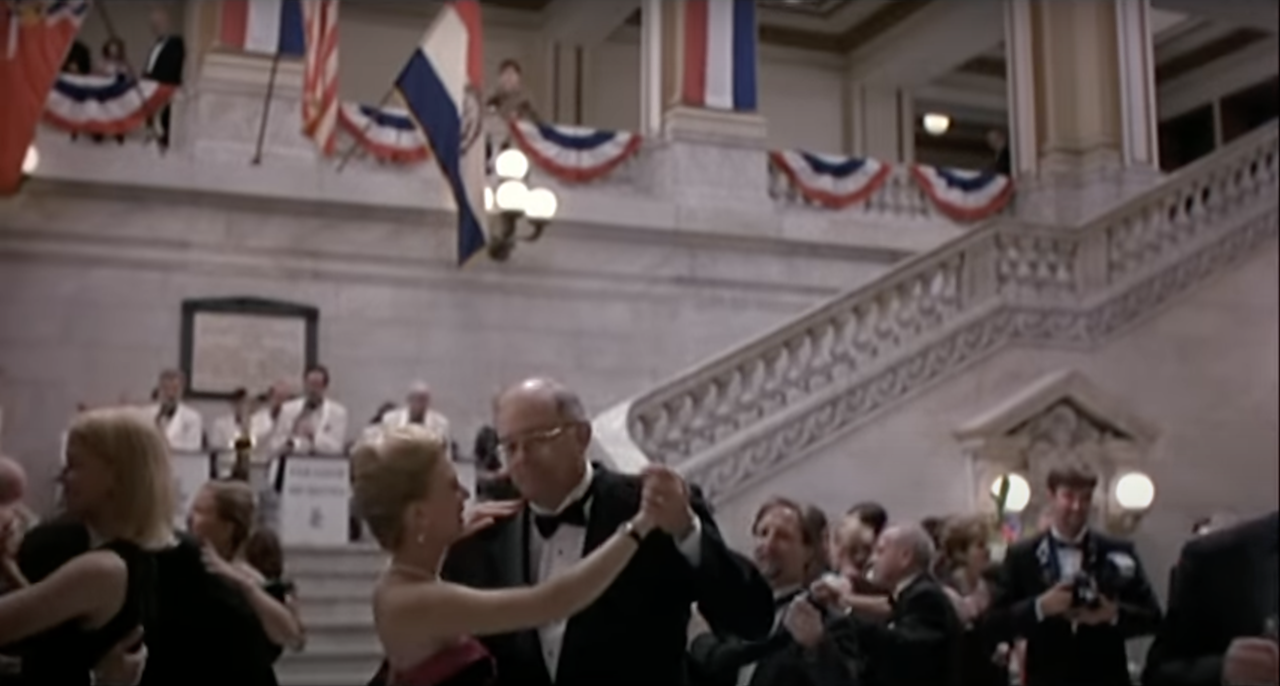
1999’s The Big Brass Ring, starring William Hurt, Nigel Hawthorne, Irene Jacob, Jefferson Mays and Miranda Richardson, is about the darker side of the political campaign trail in Missouri. Candidate Blake Pellarin (played by Hurt), is making a campaign stop in St. Louis when his old mentor, played by Hawthorne, resurfaces. The movie filmed one of its campaign party scenes at St. Louis City Hall (1200 Market Street).
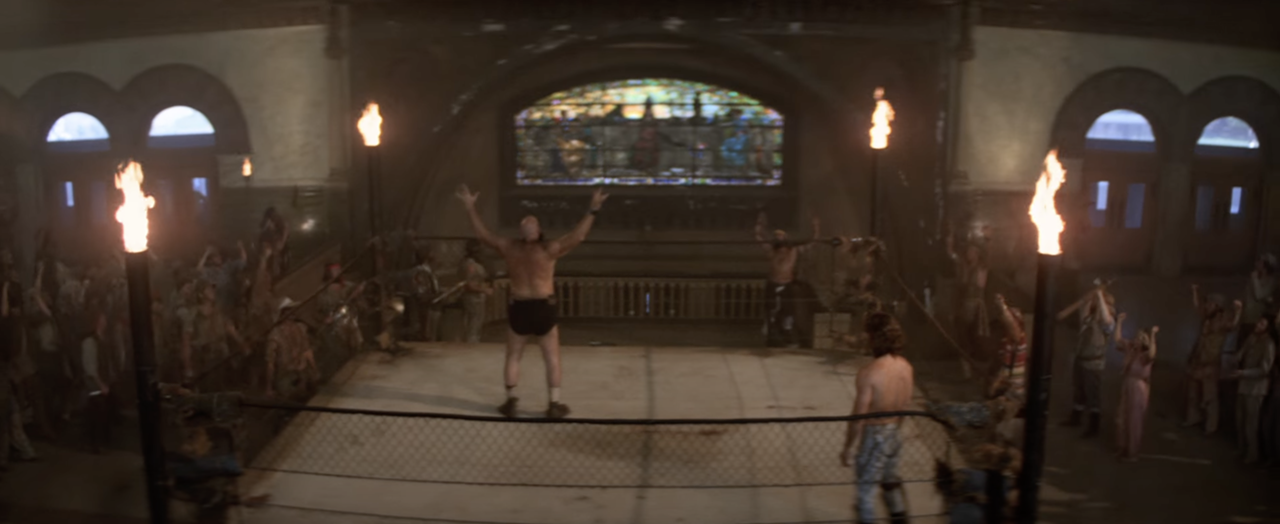
John Carpenter filmed Escape from New York in 1981 with several key scenes taking place in St. Louis, a city that at the time seemed to stand in perfectly for a post-apocalyptic NYC. For instance, the fight in Madison Square Garden was actually filmed at Union Station (1 St. Louis Union Station), while the Fabulous Fox Theater (527 North Grand Boulevard) was used to portray Broadway theater relics and the Chain of Rocks Bridge was used as the 69th Street Bridge.
Beyond that, the airplane crash and roadblock on Broadway was filmed on the near corner of 21st and Locust Streets in downtown St. Louis. The Civil Courts Building was used as the hideout for Brain and the New Masonic Temple (3681 Lindell Boulevard) was used as the New York Public Library exterior, while the helicopter landing in Manhattan was filmed on St. Charles and 17th streets in St. Louis. When Snake sneaks refuge in a bar it took place on St. Charles and North 18th streets.
You can read more about how a 1976 fire in Downtown West perfectly set the scene for Carpenter’s artistry in a 2021 RFT story. It’s maybe not St. Louis’ most flattering look, but still pretty cool to be featured in such a big movie!
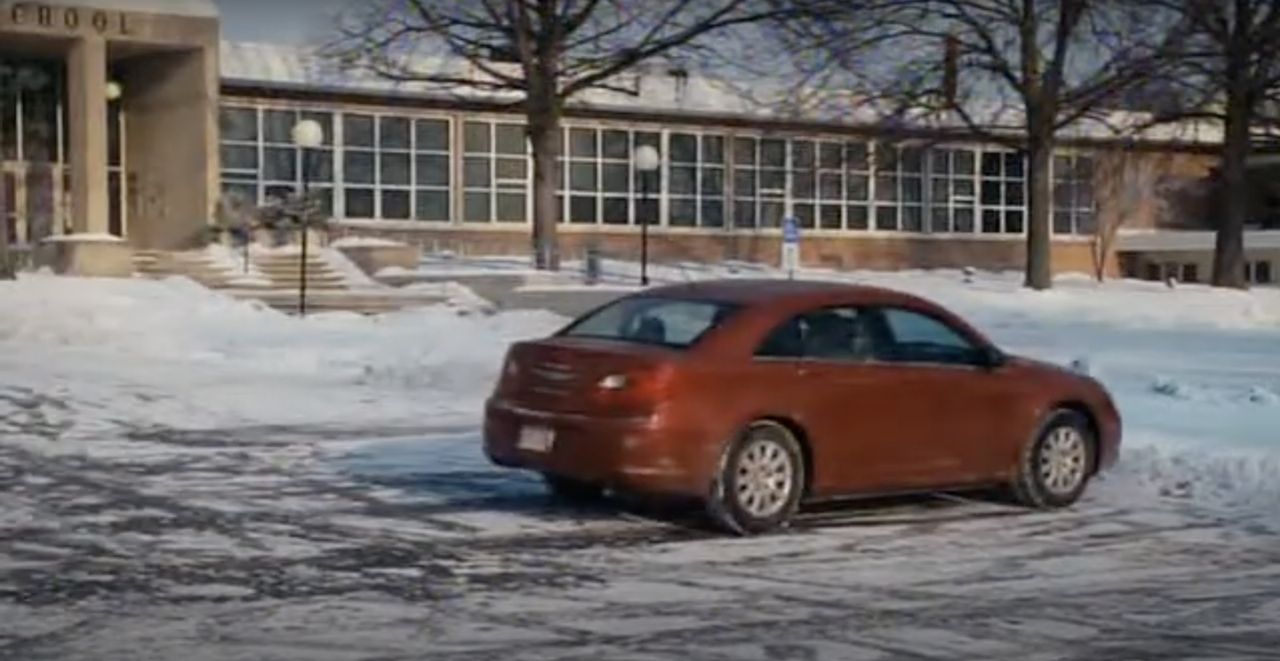
The 2009 film Up in the Air was shot almost entirely in St. Louis, with different parts of the city standing in for different parts of the Midwest.
Filmmakers used the Cheshire Inn (6300 Clayton Road) as a backdrop for various scenes, while Affton High School (8309 MacKenzie Road) was used for when George Clooney’s Ryan Bingham does his motivational speaking engagements and St. Louis’ Lambert International Airport played a pivotal role in capturing the essence of Bingham’s jet-setting lifestyle with the bustling terminals.
And when Clooney’s character travels to Chicago to woo his love interest, Vera Farmiga? That’s actually just Lafayette Square, with the exterior of a home on Wittemore Place.
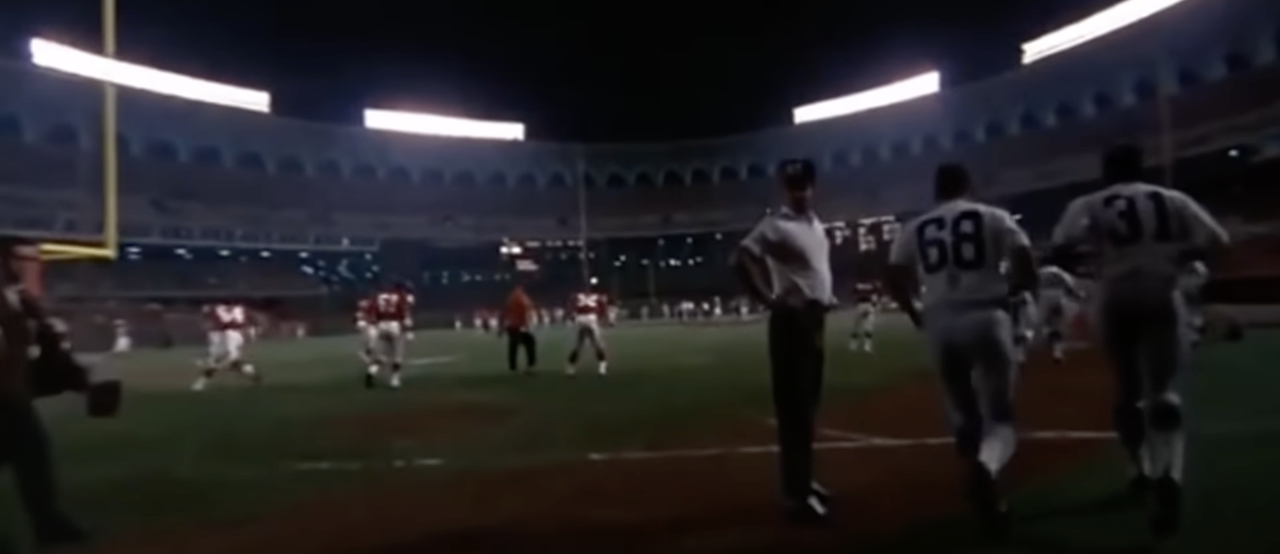
In 1968, Paper Lion, a sports comedy film based on George Plimpton’s best-selling book about his tryout with the Detroit Lions, included a scene filmed at the old Busch Stadium (250 Stadium Plaza), which was then brand new but has since been razed. In the movie, the Lions have a pre-season exhibition game scheduled against the St. Louis Cardinals.
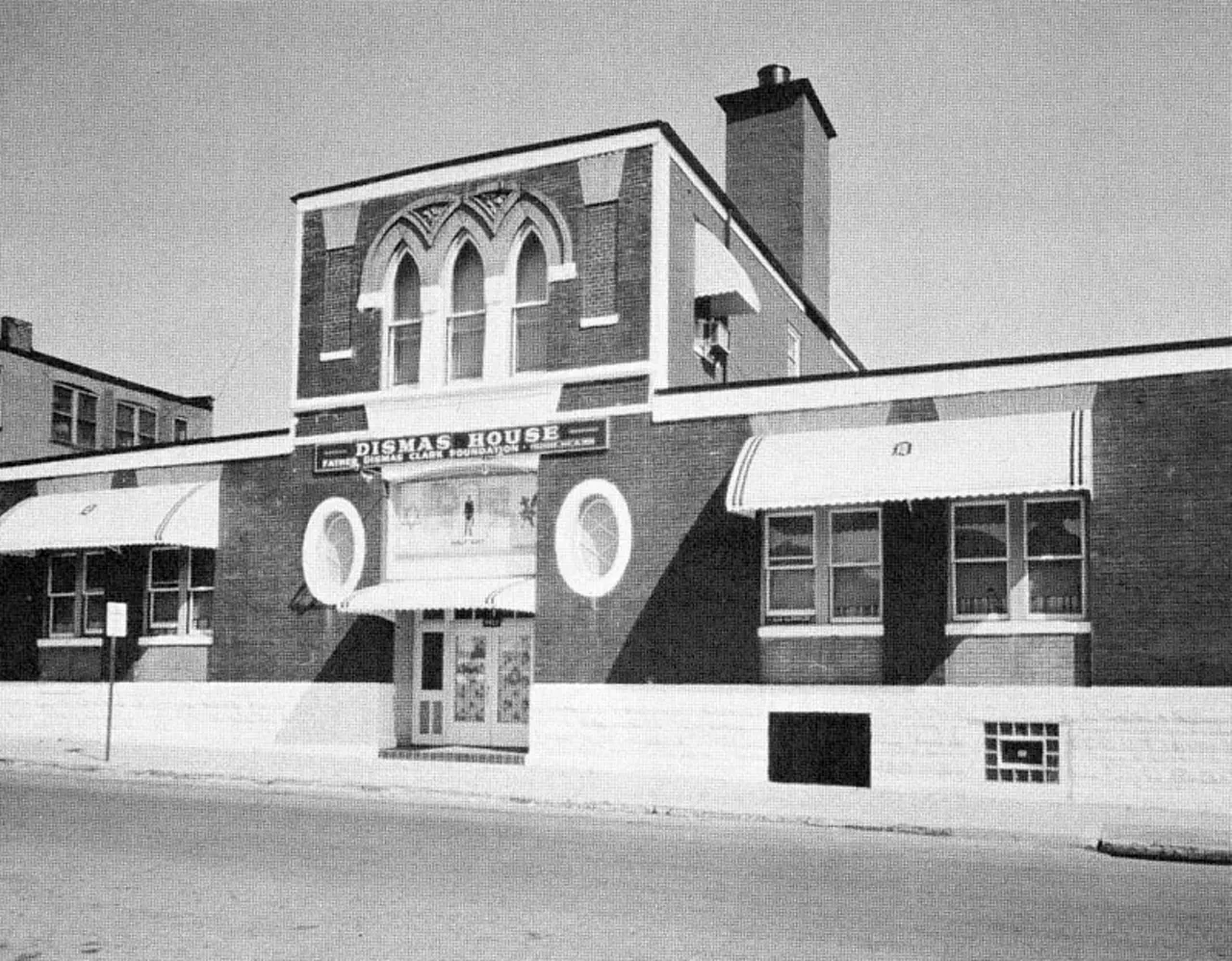
The Hoodlum Priest tells the story of real-life St. Louis Jesuit Fr. Charles Dismas Clark. It filmed in St. Louis in 1961, with locations including one of the St. Louis city jails, the chapel at Dismas House (5025 Cote Brilliante Avenue) and the World Playhouse (306 St. Charles Street), which closed in 1974 and has since been demolished.
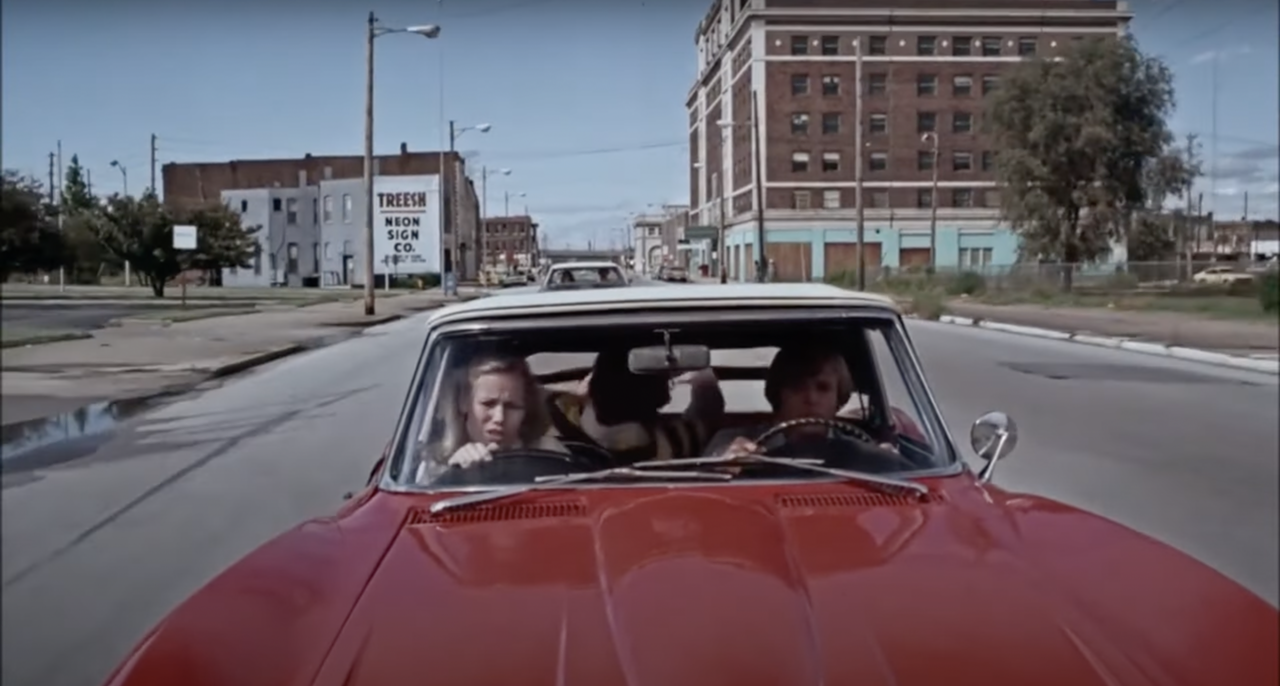
In this 1978 film starring Christopher Mitchum, Lex Lannom and Sherry Jackson, two pals buy a 1964 Corvette Stingray that turns out to be filled with drugs and stolen cash. Hilarity ensues — most of it filmed in and around Edwardsville as well as East St. Louis.
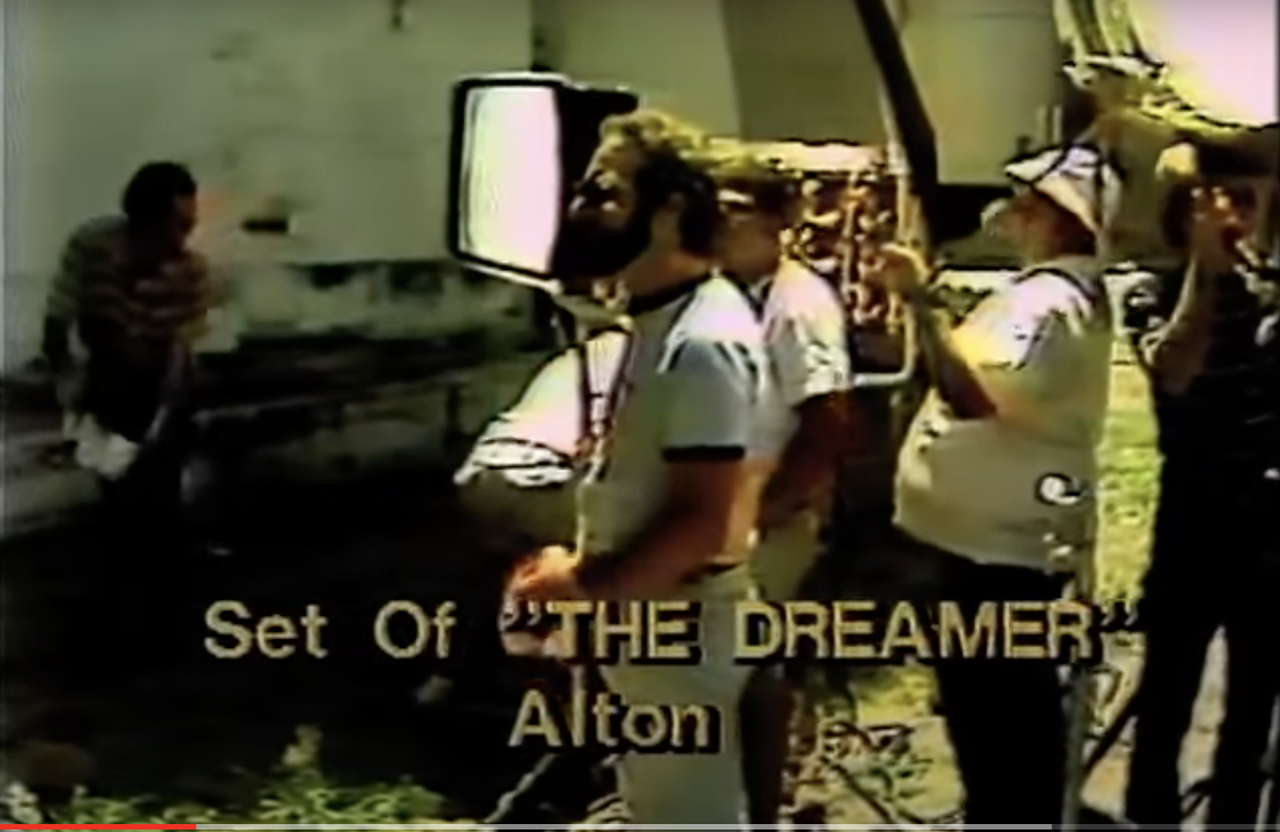
This 1979 film was inspired by Rocky, only it’s about bowling. The New York Times critic wrote, “‘I’m not sure I’ve ever seen a movie that was supposed to tell a story and managed to be as uneventful as ‘Dreamer.’” Still, it was filmed in St. Louis and in Alton.
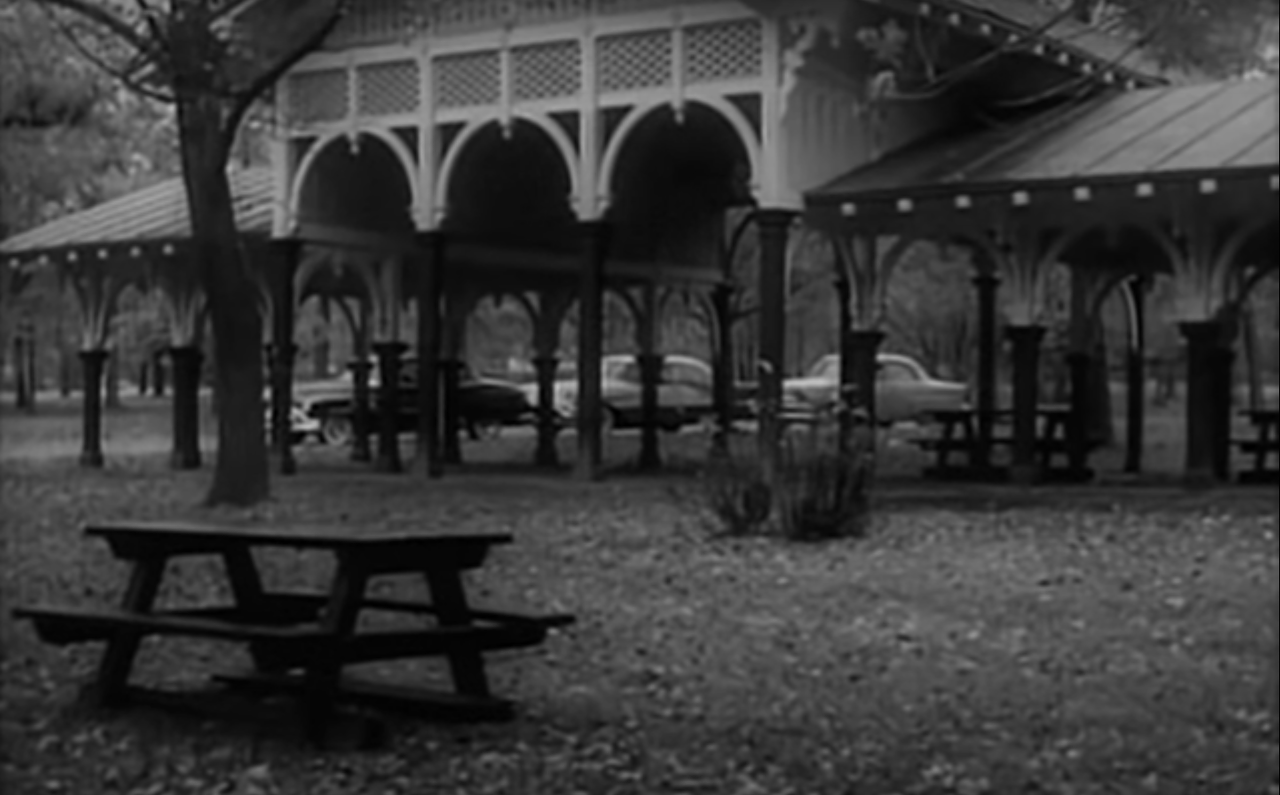
Back in 1959, Charles Guggenheim filed The Great St. Louis Bank Robbery right here in its title city. Scenes from the movie were shot at the former Southwest Bank, now BMO Harris Bank (2301 South Kingshighway Boulevard); the intersection of Chippewa Street and South Kingshighway (where the license plate was stolen); and Sons of Rest Pavilion (4257 Northwest Drive in Tower Grove Park), where the gang meets several times.
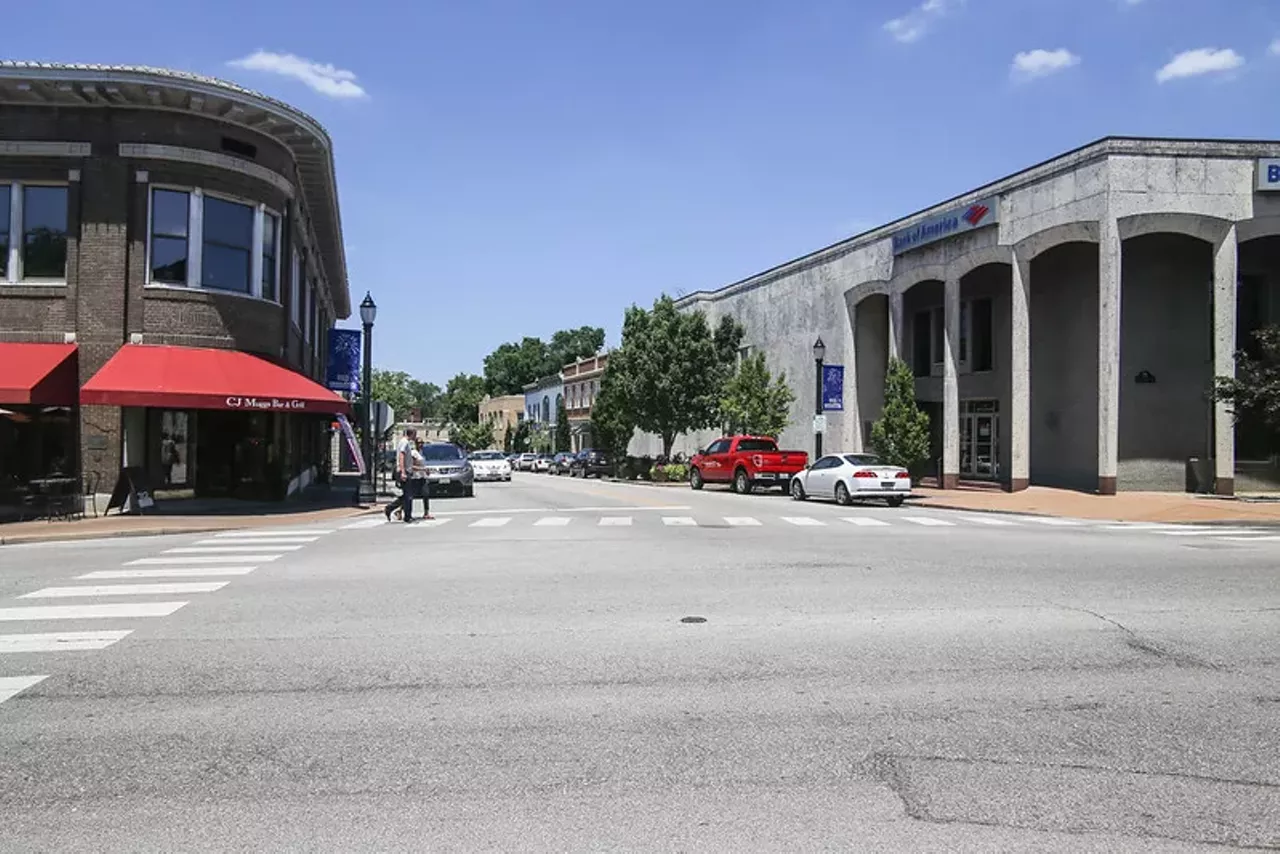
This 1966 documentary produced by CBS News focused on students at Webster Groves High School (100 Selma Avenue) — and set off a firestorm. It details the tensions between “socies” (the most popular kids), the “normies” (most of the rest of Webster’s students) and the intellectuals (known as the “weirdos”).
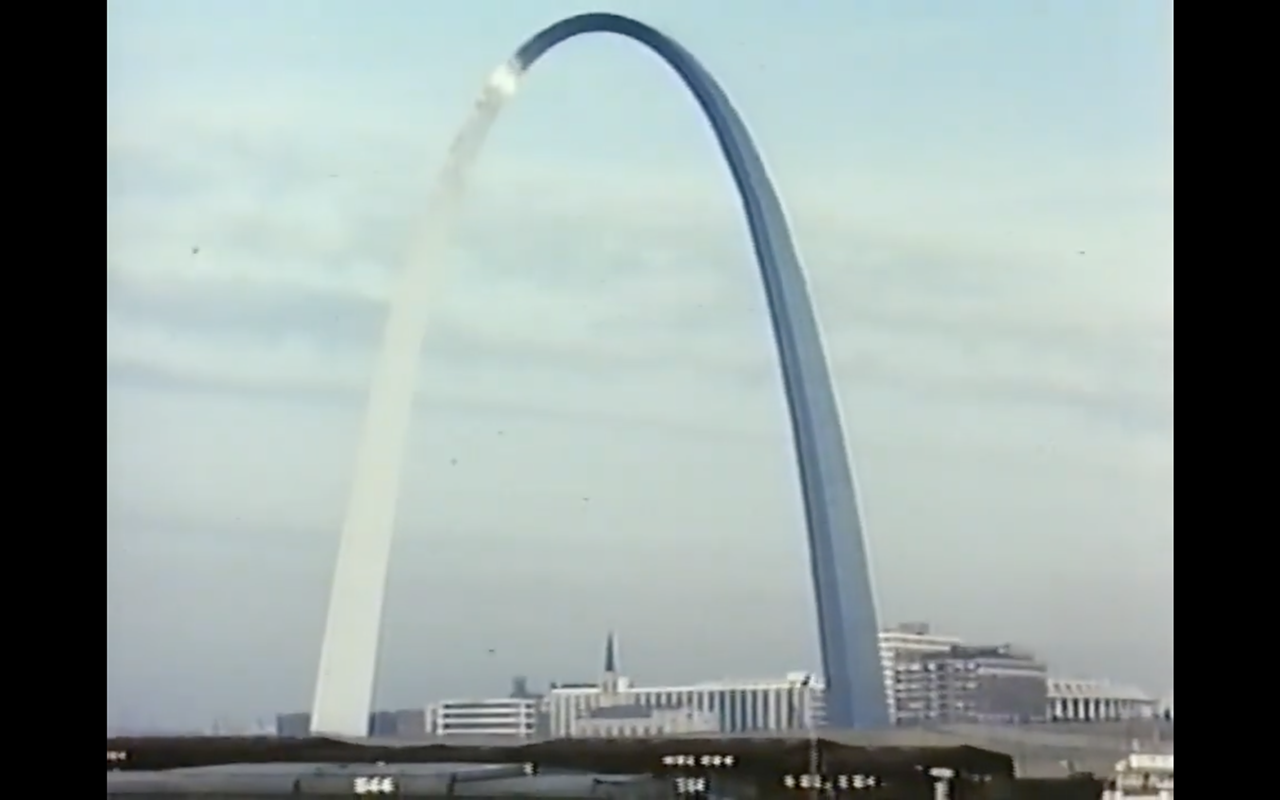
Monument to the Dream, which was directed by Charles Guggenheim in 1967, is a short documentary about the Gateway Arch National Park. Naturally, the film was shot around the Gateway Arch and shows its evolution.
13 of 30
![National Lampoon's Vacation In the classic road trip comedy National Lampoon’s Vacation, released in 1983, Chevy Chase (playing Clark Griswold) takes his f
<!--[googlesitekit-end-of-content]--></p>
</div><!-- .entry-content -->
<footer class=](https://rftimes.com/wp-content/uploads/2025/04/lampoon_s_vacation.png) Tagged: movies filmed in Missouri, movies filmed in St. Louis, St. Louis movies
Tagged: movies filmed in Missouri, movies filmed in St. Louis, St. Louis movies