Search results for: “/"”

  • Ask a Mexican: How did tamarind make its way to Mexico?

    Dear Mexican: What do we need to do to make the güeros understand we come in peace As Mexicans, we are from this great American continent as well, but in the average close-minded English-speaking folks’ definition of “American,” it’s amusing to see they don’t understand what it really means, as in: unless you are from one of the few nature-communing groups of people now dubbed “Native Americans,” then you cannot say you are American; being that either yourself, your parents, grandparents or great-grandparents (you get the point) came from the Old World and hence have been in this land “illegally” for much much longer than us bean lovers. So I repeat my question: how can we make these green-gos understand we come in peace? That we are here to live a good life in peace and to take it or leave it: we are here TO STAY! Help me make these McDonalders understand already so we can all learn from each other and live in peace!

    El Frijolero

    Dear Beaner: Gracias for showing American that Mexis can be as meandering as gabachos. As to your question: shit, we’ve tried everything to Hispander to gabachos over the years. We gave them half of Mexico, we called ourselves “Spanish,” we considered ourselves white, we made amazing dishes that other gabachos turned into multi-million-dollar empires — and, still, they hate us. What to do? Not a single pinche thing: Mexicans in this country are no longer at a place where we have to grovel to anyone. If gabachos don’t want to accept that aquí estamos and we ain’t vamos, then they deserve the beautiful brown grandkids that are coming their way.

    Dear Mexican: I noticed that my favorite candies are primarily made out of chile and tamarindo. I understand that chile is indigenous to the Americas, but tamarindo is not. I found that tamarindo originates from the Middle East and Africa. And through the slave trade and the dreadful European expansion, tamarindo found its delicious way to the Americas. What I don’t get is how and why tamarindo became so popular amongst nuestra gente? We consume mega-tons of it! We drink it, we make candy out it, I sometimes have dreams about it…¿que onda?

    Pocho De Ocho

    Dear Pocho: Actually, tamarind came to Mexico through the Manila galleons and has no Middle Eastern connection whatsoever — the Levantine’s contribution to Mexico’s fruit culture is granada (pomegranates) via the Spaniards via the Moors. But it was only by a brain pedo of God that tamarind isn’t native to Mexico, as no other culture save certain Hindoos loves it the way we do. It’s not much of a mystery: Mexicans love sweets with tropical verve and fleshiness, whether it’s mamey, mangoes, papayas, guanábana, tunas (the prickly pear) or boring-ass pineapple. But tamarind is the king of the jungle, because — as you pointed out — we can turn it into so many things: ice cream, fruit leather, salads, salsas, on chocolate, paletas, and so much more. And when we pare it with chile (which we always do), it’s the greatest product of foreign-yet-similar cultures since the leprecano.

    Ask the Mexican at [email protected], be his fan on Facebook, follow him on Twitter @gustavoarellano or ask him a video question at youtube.com/askamexicano!
  • Ask a Mexican: Why are Mexicans such mama’s boys?

    BUY TACO USA! Gentle cabrones, my much-promised Taco USA: How Mexican Food Conquered America has finally hit bookstores! Place your order with your favorite local bookstore, your finer online retailers, your craftier piratas, but place it. My libro editor has already promised to deport me from the publishing industry if we don’t sell enough copies!

    Dear Mexican: I’m getting sick and tired of all these dirty, stupid Mexicans running around. The first part is easy: As Mr. Dix says in David Copperfield, when asked what to do with David, “Why, bathe him.” The second part could be just as easy: Pay them to learn English. There is no damn crime in knowing two languages. If they are kids brought here illegally by their parents, pay the parents to learn English also. And don’t ever, ever tell me that there’s no money. I HATE MEXICANS EXCEPT FOR THE GIRLS!
    Wrote My Question Via Snail Mail

    Dear Gabacho: And as Dickens wrote in Martin Chuzzlewitz, “What is exaggeration to one class of minds and perceptions, is plain truth to another.” I agree it’s no damn crime to know two languages, so please tell your gaba raza it’s OK to learn Spanish — shit, Mexicans learned English long ago!

    Dear Mexican: Why are Mexican men so attached to their mommies? My boyfriend is an only child, and his mom is loca for him. When he goes out to dinner with his parents, she never has anything to say. But if I am around, she will talk to him forever. I tried to be friends with her, but she looks like she just want to have a civil relationship with me, not a “mother-daughter” relationship. He isn’t crazy in love with his mom because he has stopped speaking to her for ten days because of su novia and had arguments with her because of things she did against me in the past, but he is still kind of…blind. How can I take him away from her? Somebody told that the food will. I already know how to make three Mexican dishes and he loved! What else can I do besides cook and have sex (which he enjoys a lot!)?
    Confused Nuera

    Dear Daughter-in-Law Confundida: It’s not so much a Mexican thing as it is a Catholic culture cosa. One of my favorite cross-cultural moments happened in The Godfather 2, where the young Vito Corleone (as played by Robert DeNiro) saw an opera in Little Italy in which the protagonist, upon learning about the death of his saintly mother, proceeded to sing that he was going to kill his…was it a wife? Lover? Don’t have my Netflix right now. Anyhoo, Catholic culture teaches the male worship of moms and the dismissal of all other woman as inadequate — it’s the whole Madonna/whore complex, and it’s a cycle that not even the best panocha on Earth can break. And as the eldest son of a wonderful mami, I say let this benevolent tyranny reign FOREVER.

    Ask the Mexican at [email protected], be his fan on Facebook, follow him on Twitter @gustavoarellano or ask him a video question at youtube.com/askamexicano!

  • Ask a Mexican: Why is it that people from Chihuahua and Monterrey are such jackasses?

    Dear Mexican: Why is it that people from Chihuahua and Monterrey are such jackasses? They come from pinches ranchitos and talk about their haciendas, They cross the border and act as if their cagada does not stink. Why do pinches chihuahuenses act as if they are better than us American citizens? They eat at all-you-can-eat $6.99 buffets and still want to take a plate to go for their abuela and primos and try to feed the whole familia. They stay at our hotels and treat the maids like rats, as if they were conquistadores. They speak loud as if every one wanted to hear what they have to say — they are not E.F. Hutton. They think that their putos pesos can buy anything, When you ask them where do they come from, they start by telling you that their abuelos are Spaniards and most of their familia are Spaniards as if they are ashamed to be called mexicanos. The women wear their pantalones so tight that when they walk, they go up their puto culo, with their fake blond hair. Please tell those cabrones chihuahuenses and putos monterreyes que cool down, they are just as Mexicans as the rest of us, that they still smell like frijoles and are not Spaniards.
    Hernan Cortez

    Dear Gachupín: Nothing like some intra-Mexican hatred to prove that the idea of a Mexican nation united for Reconquista is as realistic as a Mexican government free of narco money! Your specific insults toward people from the Mexican state of Chihuahua (or, as they’re known in El Paso, fronchis) and city of Monterrey (their nickname is regiomontanos) marks you as someone from Texas, as that’s where the majority of immigrants from northern Mexico have landed. And the reason they act so uppity isn’t so much because of where they’re from but what they are: ricos who have fled the chaos of their home states for the safety of Texas, where pompous, ostentatious pendejos are not only welcomed, they become governors and presidents.

    Dear Mexican: I’m a gabacha…kind of. I was born here but my padres are mexicanos. So I’m a gabachacana. Anyway my question is in regards to fixing my authentic mexicano’s papeles. He’s 23, and I heard that once you’re past 18, it’s harder to do it. He’s never been in trouble with the law, he pays taxes and he’s a hard worker. But I heard that even all that would do him no good and if I go through trying to fix his papers, he would need to spend like 10 years in Mexico. Now, I’m a patient person, but que chingado man? I’m not gonna risk him meeting some paisana hoochie over there and having me wait 10 years for him. So, what steps can I take to prevent such an atrocity? What would you suggest be the best way to go about in fixing his papers without the risk of having him meet some skeezer down south?
    Gabachacana

    Dear Wabette: While I’m all for people making up ethnic labels to describe themselves, gabachacana makes you sound like an apricot. The easy answer is marrying the chavo — you’re still going to face a long process, but it’s faster than waiting for the Obama administration to make Dios-knows-how-many deals with labor, the Mexican government, and Republicans to offer a “comprehensive immigration reform” that’s as comprehensive as a tortilla chip covering a bowl of birria. Better yet, why not just move to Mexico with him? As I’ve said before, Mexico is the true land of liberty now, a libertarian paradise that becomes more and more appealing as technocrats up here try to game the system for themselves and make los Estados Unidos into just another Mexico–oh, wait…

    Ask the Mexican at [email protected], be his fan on Facebook, follow him on Twitter @gustavoarellano or ask him a video question at youtube.com/askamexicano!
  • St. Louis Weekend Concert Calendar, April 17 to 19

    Busy weekend!

    Friday, April 17

    *Solange/Teresajenee, Webster University

    *Pretty & Nice/Radical Sons, Firebird

    *Jason Ringenberg/Rough Shop, Off Broadway


    *Loyal Earth Fest at the Old Rock House
    *Unwed Sailor/Jovian Chorus/Dear Future, Luminary Center for the Arts
    *Alvin Jett and Phat NoiZ, Riddles
    *Daniel Francis Doyle/.e, Lemp Neighborhood Arts Center
    *Everett Dean, Deluxe
    *Left Arm/The 75s, Kemper Art Museum
    *Parkway Drive, Fubar
    *Poor People of Paris, Atomic Cowboy
    *Soulard Blues Band, BB’s Jazz Blues & Soups
    *Autovein/The Incurables/Postcard/RadioRadio, etc., The Library
    *FLOW Organ Trio, The Gramophone

    Saturday, April 18
    *Record Store Day! at aPop, Vintage Vinyl and Euclid Records
    *Paul Simon, Fabulous Fox
    *Loyal Earth Festival, Old Rock House
    *DJ Enoch is Real, The Gramophone
    *So Many Dynamos (7-inch release show)/Bronzed Chorus, Billiken Club
    *Panic Attack/The Matter/Gregg Thomas, etc., The Library
    *Magic City, Mangia
    *The Marquette Weekend, Firebird
    *Robert Sarazin Blake/The Union Electric/Malone, Off Broadway
    *Steve Forbert, Focal Point
    *That’s My Daughter, Deluxe


    Sunday, April 19
    *Pennywise/Pepper, Pop’s
    *Loyal Earth Festival, Old Rock House
    *Wayne “The Train” Hancock, Off Broadway
    *Doug Macleod, Music Folk (2 p.m.)/BB’s Jazz Blues & Soups (9 p.m.)

  • St. Louis Weekend Concert Calendar: April 10 to 12

    Friday, April 10

    *Diplo, The Gargoyle

    *Bonnie Prince Billy/White Magic, Pageant

    *Orbz (CD release show), Firebird

    *Greg Osby/Willie Akins, Jazz at the Bistro

    *Beth Bombara (CD release)/Grace Basement/David Beeman, Off Broadway

    *Gutbucket, Mad Art Gallery

    *Lez Zeppelin, Blueberry Hill’s Duck Room

    *Spark1duh?, Lemmons

    *Wooden Kites/The Livers, Deluxe

    *Celtic Woman, Fabulous Fox Theatre

    Saturday, April 11

    *Backyard Tire Fire/Pokey LaFarge, Off Broadway

    *Bamboozle Left: The Cab, We the Kings, nevershoutnever!, Pageant

    *Greg Osby/Willie Akins, Jazz at the Bistro

    *Bob Corn, Lemp Neighborhood Arts Center

    *Domani International, Cicero’s

    *Gumbohead, Broadway Oyster Bar

    *Ohtis/Theodore, Schlafly Tap Room

    *Raglani, et al, Apop Records

    *Sparky and Rhonda Rucker, Focal Point

    *The Commoners, Mangia

    *Voice of Addiction, Lemmons

    *The Homewreckers, Deluxe

    *Celtic Woman, Fabulous Fox Theatre

    Sunday, April 12

    *Michael Jonas, Off Broadway

    *Bernard Allison, Beale on Broadway

    *Too Slim and the Taildraggers, BB’s Jazz, Blues and Soups  

  • ¡Ask A Mexican! Well, pinche me and call me gabacho: A Mexican Spanish vulgarity may not be so vulgar.

    Dear readers: Before we move on to your spicy preguntas, a bit of housecleaning. Primeramente, gracias to all the Know Nothings who responded to my 100-word-essay challenge asking them to justify loving legal Mexicans but not the illegal ones; I will publish the best entries on the Mexican’s April Fools’ edición.

    On a more important note: pinche. Many of ustedes offered alternate meanings to this Mexican Spanish vulgarity beyond “cooking assistant” and “fucking in the adverbial sense.” From our Puerto Rican brothers:

    In Puerto Rico, pinche is simply the term used for a wooden clothespin. There is no negative connotation of the word on the island.

    From a gabacho married to a Colombian chica:

    When my in-laws were in recently, my cuñada saw us drinking margaritas from a margarita glass. “Eso es muy pinche,” she said, and our mouths dropped. But according to my mother-in-law, pinche in Colombia just means that one is putting on airs.

    Next is my pal Tigrillo, a proud Mexi grad of Princeton University, voicing something echoed by many other tejanos who wrote in:

    In south Texas, they use pinche to refer to people being tight with their money. Kind of weird, since so many folk in south Texas have roots in Monterrey, the supposed land of the codos. I think that meaning of pinche is Tex-Mex, and I have never heard it used similarly elsewhere.

    Something for the Spanish-speaking readers of this column. Oh, my god: the Reconquista has even hit ¡Ask a Mexican!

    Soy un nostálgico ex-neoyorquino que ahora vive en Chilangolandia. Leyendo la respuesta que diste al uso de pinche, pienso que no puedes decir “¡Pinche!” a secas, porque además de adverbio es un adjetivo que necesita calificar a un nombre (adverbios se convierten en adjetivos, es mi punto). Tienes que decir, como le explicaste al gabacho: “¡Pinche gringo culero!,” o “¡Pinche güey!” como decimos mucho aquí en Mexico City. También decimos mucho: “Eso está muy pinche,” para determinar la mala calidad o mal gusto de cualquier cosa. ¿Y qué tal el superlativo pinchísimo? También se debe incluir como adjetivo, ¿no?: “¡Esa película estuvo pinchísima!” es una gran palabra y por supuesto es muy buena traducción para fucking. Me gusta particularmente: “Fucking bitch!” Pero no por misógino, sino porque suena tan bien como “¡Pinche puta!”

    The final word goes to a gabacho living in Mexico:

    Actually, Mexican: here in Sinaloa, pinche is a pretty mild word, more like your (and mine for years) definition, “worthless.” Commonly used by la gente educada y religiosa, pinche just doesn’t have that connotation of “fucking” that it seems to have gained from you pinche wabs y Chicanos in the borderlands and in the U.S.

    One qualifier to the Mexicanized gabacho: he lives in Sinaloa, a Pacific coastal state notorious for its tough, vulgar residents. Need proof? This is where most of Mexico’s drugs lords originate — and now, I shut up.

    Dear Mexican: Have you seen the Simpsons figurines from Kid Robot? The Bumblebee Man is the hardest to get, therefore the most valuable of the bunch. I’ve seen it on eBay going for $75 when they cost seven bucks in the store. You think Matt Groening did this on purpose ’cause he really does love the Mexicans, or you think it was just a funny character and a funny coincidence?
    Señora Ding Dong

    Dear Wabette: Of course Groening loves Mexicans, and not just because he freely admits that the legendary Mexican superhero El Chapulín Colorado (The Red Grasshopper) inspired Bumblebee Man. As I argue in an essay included in my ¡Ask a Mexican! compilation, The Simpsons is the most Latino show ever to appear on English-language television, one so wabby it makes The George Lopez Show seem as gabacho as Friends. Want a full explanation? Buy my book, because I’m over my word count that the gabachos give me!

    Ask the Mexican at [email protected], myspace.com/ocwab, find him on Facebook, or write via snail mail at: Gustavo Arellano, P.O. Box 1433, Anaheim, CA 92815-1433!

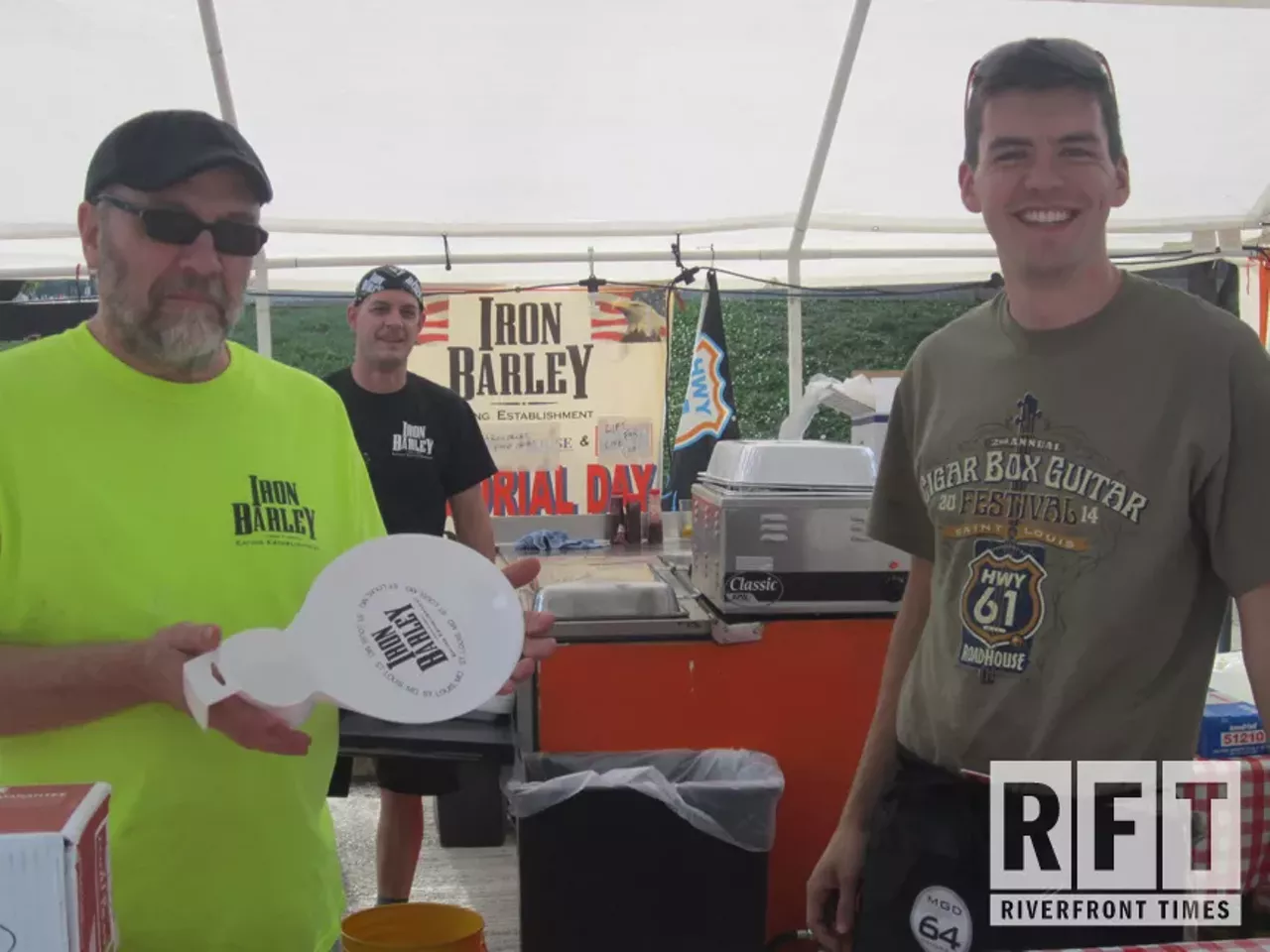
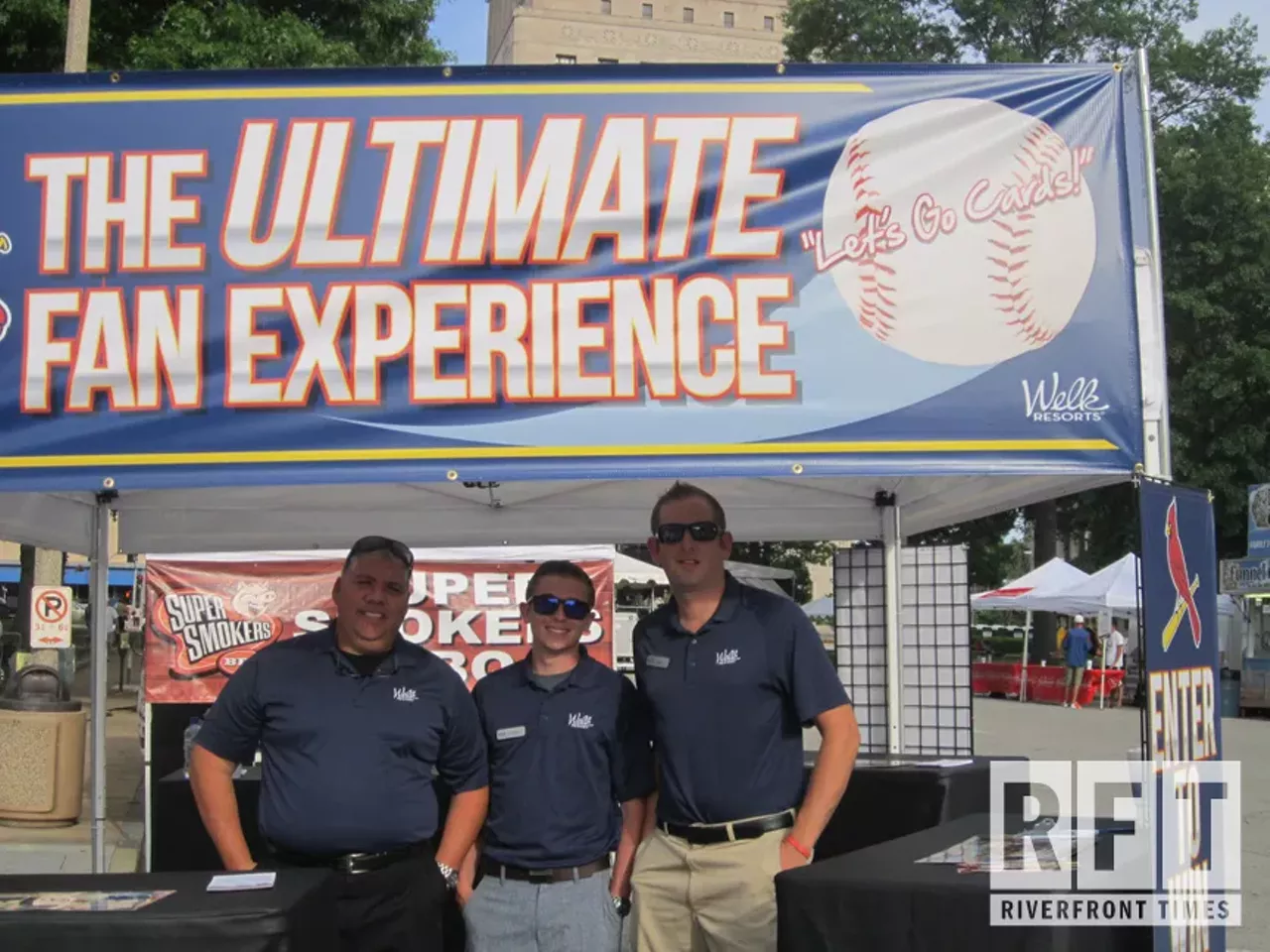
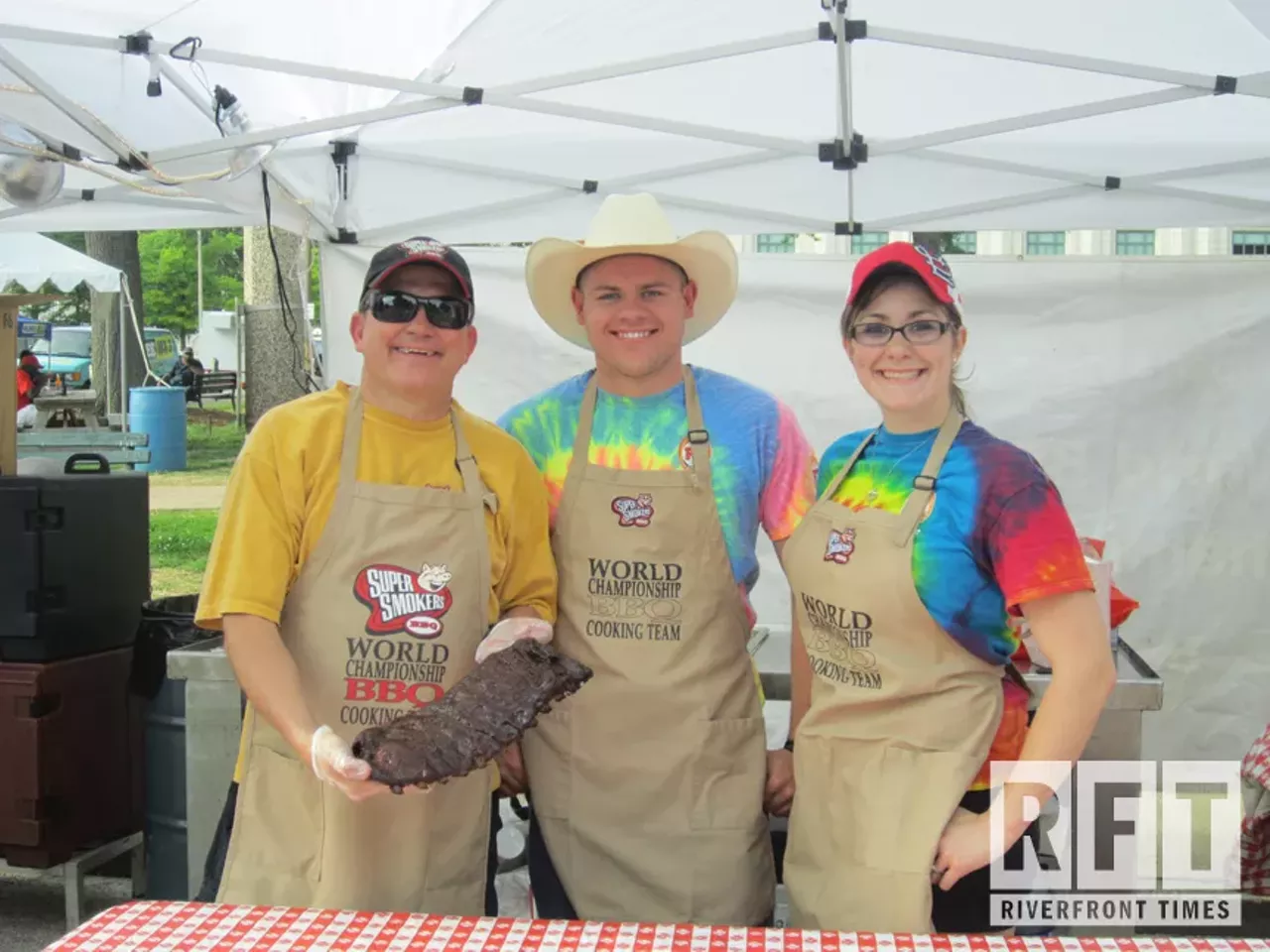
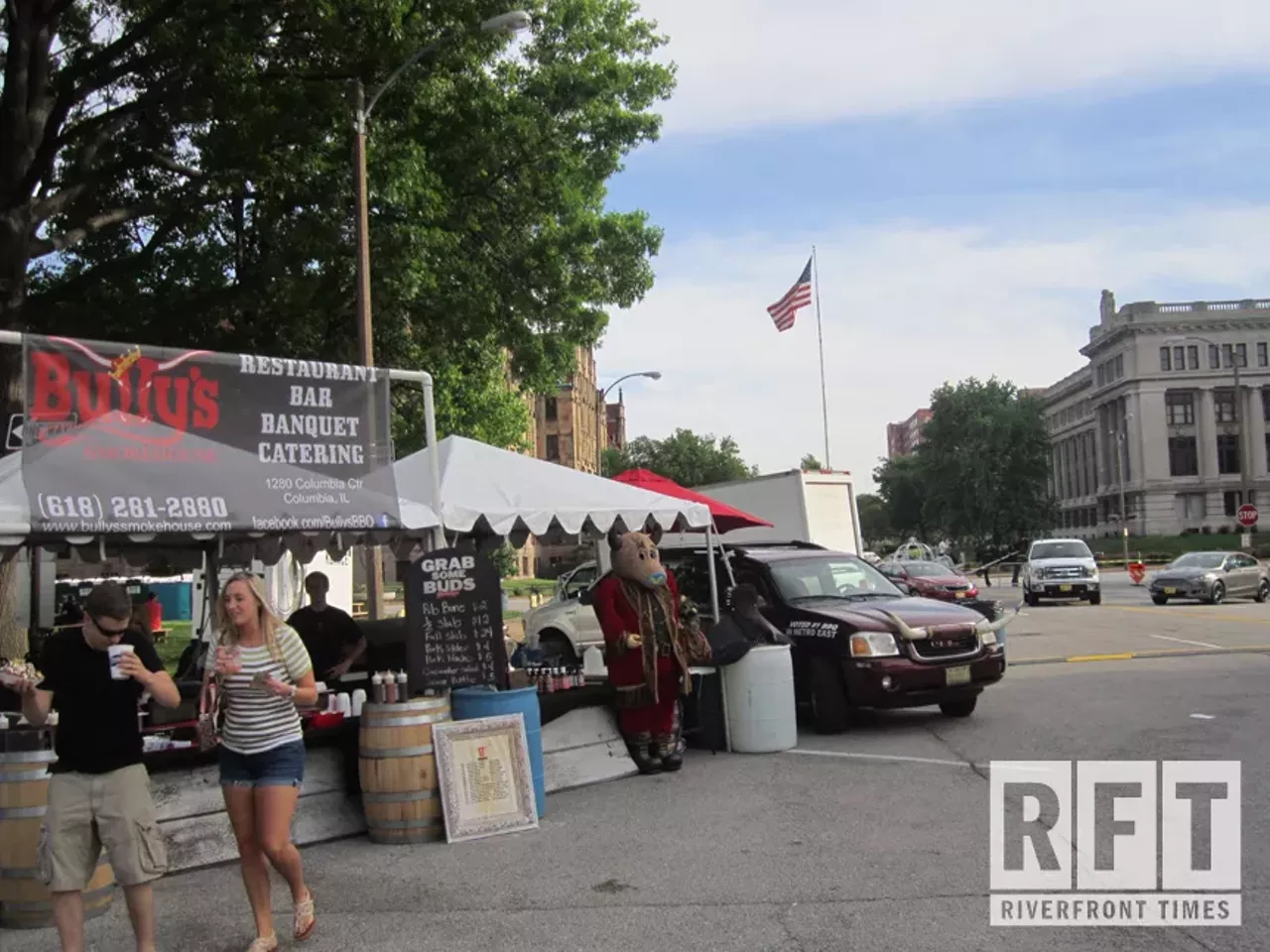
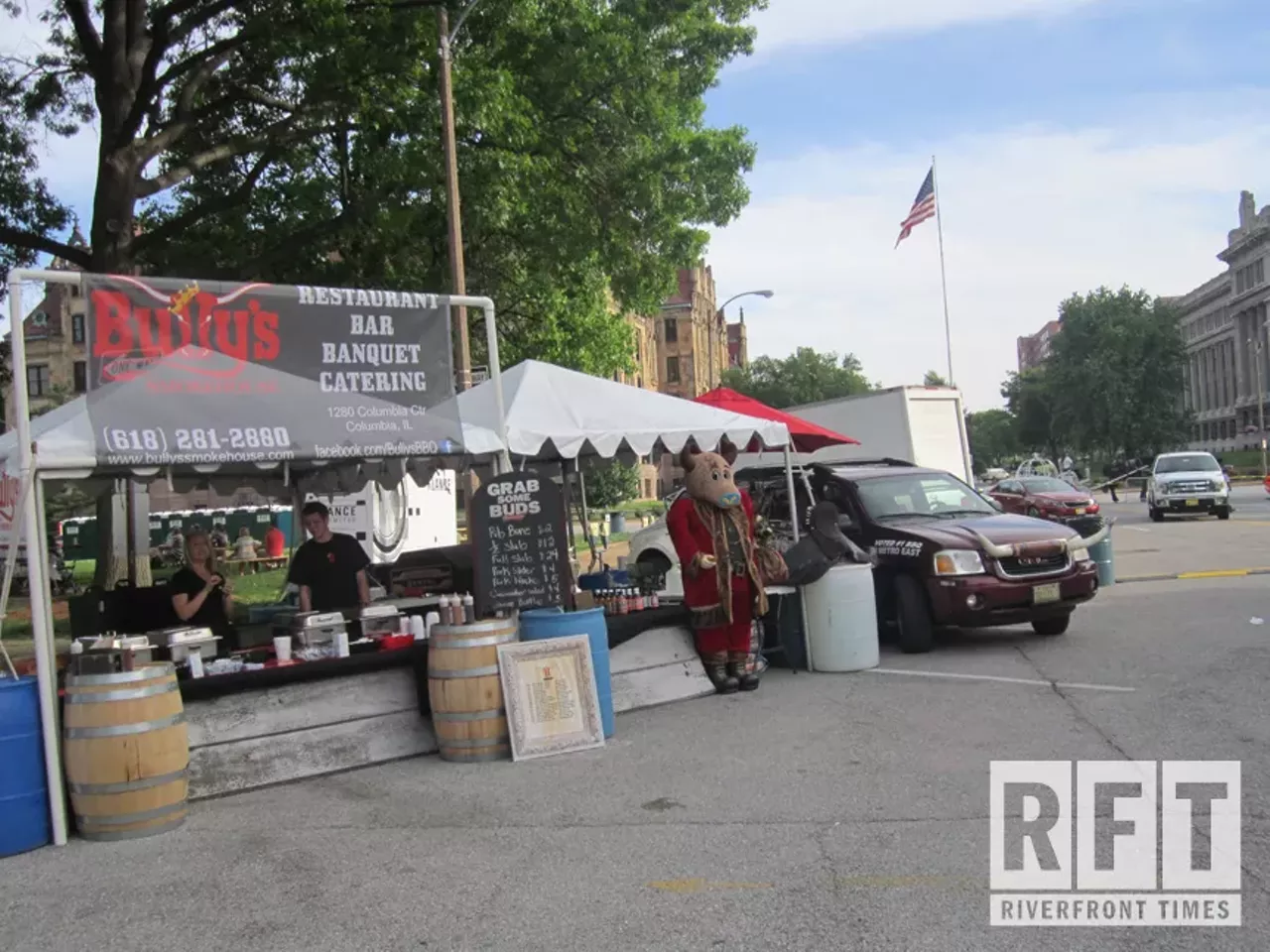
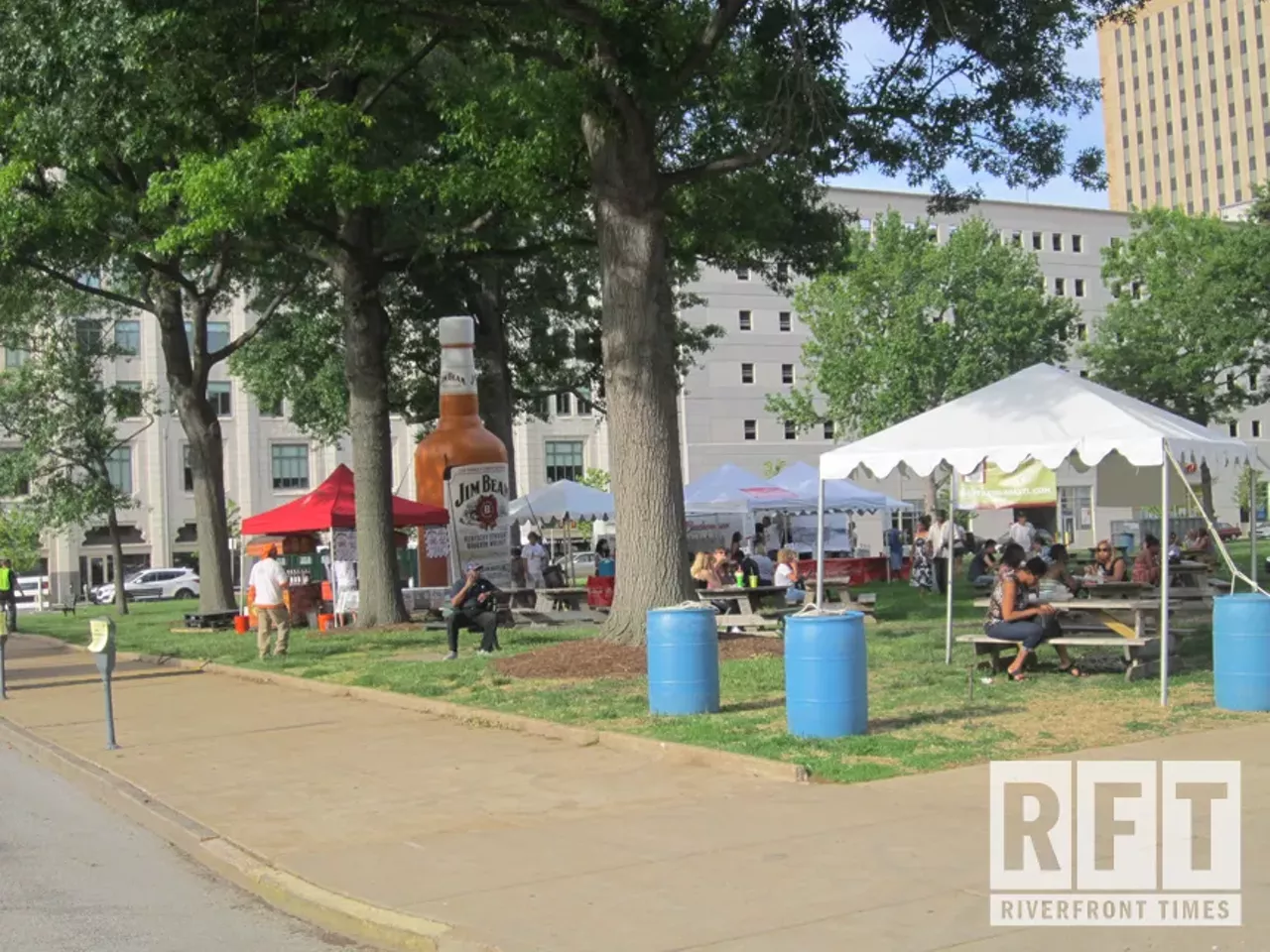
  • St. Louis Rib Fest

    St. Louis Rib Fest

    Scroll down to view images
    Image: St. Louis Rib Fest

    1 of 10
    Image: St. Louis Rib Fest

    2 of 10
    Image: St. Louis Rib Fest

    3 of 10
    Image: St. Louis Rib Fest

    4 of 10
    Image: St. Louis Rib Fest

    5 of 10
    Image: St. Louis Rib Fest

    6 of 10
    Image: St. Louis Rib Fest

    7 of 10
    Image: St. Louis Rib Fest

    8 of 10
    Image: St. Louis Rib Fest

    9 of 10
    Image: St. Louis Rib Fest

    10 of 10
  • St. Louis Weekend Concert Calendar: April 3 to 5

    Friday, April 3

    *The Ting-Tings/DJ Superconductor, Pageant

    *Rosebuds/Megafaun, Lemp Neighborhood Arts Center

    *Beach House/Raglani, Billiken Club

    *Goldcure, Way Out Club

    *Glass Waves, The Gramophone

    *Tionol, Schlafly Tap Room

    *Off With Their Heads/Humanoids, Firebird

    *The Spares, Music Folk

    *Fresh Heir/Earthworms, Off Broadway

    *Jake’s Leg, Cicero’s

    Saturday, April 4

    *Lee Ving/Exene Cervenka, Deluxe

    *Educated Guess/Arts & Sciences/Abracadabras, Firebird

    *Aaron Kamm and the One Drops, Broadway Oyster Bar

    *Billy Peek, Gramophone

    *Left Arm/Private Dancer/She Got Ugly, The Wedge

    *Bobby Rush vs. Marquise Knox/Rum Drum Ramblers, BB’s Jazz, Blues and Soups

    *Tionol, Union Avenue Opera House

    *Bridgeton Air Defense, Lemmons

    *People Noise/The Art, Off Broadway

    *Ticketmaster New Music Spotlight, Pageant

    Sunday, April 5

    *Champions of Breakfast, Firebird

    *Blue October/Ours, Pageant

    *Ten out of Tenn tour (feat. Griffin House, more), Duck Room

    *Johnny Vega$ benefit, Off Broadway

    Monday, April 6

    *Bad Veins/Eulogies, Firebird

    *Hold Steady/War on Drugs, Gargoyle

  • R.I.P. Cinder: Saint Louis Zoo Chimp Dies at Fourteen

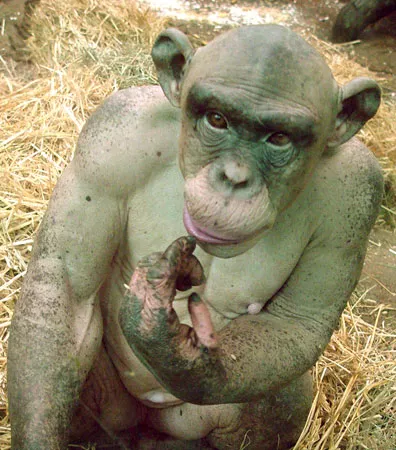
    R.I.P. Cinder: Saint Louis Zoo Chimp Dies at Fourteen

    Cinder, the chimp at the Saint Louis Zoo whose most distinguishing feature for visitors was her alopecia, is dead at fourteen. She was known as the “Hairless Chimp.”

    The naked ape. What does that mean?


    R.I.P. Cinder: Saint Louis Zoo Chimp Dies at Fourteen

    Carol A. Weerts, www.stlzoo.org


    Some, certainly, laugh. I think of my father (click the link and scroll down or search for What Manner of Beast).

    It’s an earlier poem, though, that comes to mind:

    CHIMP

    Stan Laurel. It’s when he scratches his head;
    rueful, a little vague, but definitely
    a thinking animal. (The same unmixed appeal,
    like children and the very old.) Why is it
    so reassuring that man is not the first
    two-legged beast to discover he thinks, and with what?

    Left to his own devices, he travels alone,
    or in twos, or threes;
    not, like his more categorical brothers,
    in orders, complete with vows and hierarchies.
    Think how our early fathers, more often than not,
    were surly anchorites. No company
    would have them.

    (Some barefaced son of a slightly dubious mother
    scratches his skull, and finds
    the fly still walking upside-down inside.
    The motels blink their neon-yellow eyes,
    Fords growl in the underbrush: the jungle
    is safe again for democracy and the legion.)

    He looks at me from under his rueful wrinkle;
    I am less reassured.
    I want to whisper: I am not with the others.
    Essential man is alone, whether caged or free,
    whether nose to tail with his mate in the bog of Desire,
    or trailed by a half dozen wet-nosed consequences.

    Through the hand-polished bars he hears it the way it comes out:
    I am not your keeper.

    -Donald Finkel


  • St. Louis Weekend Concert Calendar: February 13 to 15

    Friday, February 13
    *Maze featuring Frankie Beverly/Keith Sweat/Teena Marie, Chaifetz Arena
    *G Love and Special Sauce, Pageant
    *The Diplomats of Solid Sound feat. the Diplomettes, The Gramophone
    *The Round-Ups/Johnny Vegas et al, Off Broadway
    *Delmar Kingz/Santone/Space/Jonezy/Family Affair/John Hill, Duck Room
    *Nothing Still/Ava, Wait/Sudden Passion, Firebird
    *The Orbz/Lemay Odyssey/Lindbergh Babies, Lemmons
    *Al Jarreau, Touhill
    *The Pointer Sisters, Ameristar Casino
    *Bunnygrunt/Sex Robots, Schlafly Tap Room
    *Cassie Morgan, Vintage Vinyl (7 p.m.)
    *Japanese Bat Bomb, Stagger Inn
    *Pomeroy ,Old Rock House
    *Three Fortys (CD release), Cruisin’ Rte. 66
    *Weird Body Parts ( CD release)/Daydream Astronauts, Lemp Neighborhood Arts Center
    *Leroy Pierson (early)/Rough Grooves (late), BB’s Jazz, Blues and Soups
    *MIles of Wire, etc., Way Out Club
    *The Disappeared/The Highway Companion/Ashes and Iron/Cuban Missiles, Cicero’s
    Saturday, February 14
    *Turbo Fruits, Deluxe
    *Chicago Afrobeat Project, Old Rock House
    *AXO, Mangia
    *Miss Jubilee and the Humdingers, Beale on Broadway
    *Nite Owl/Wildmann/DJ K-Nine, Duck Room
    *Aaron Mansfield/ Alex Ray & The Last Place/ Cody Alan/ Sheila Shahpari/ Vijoy Rao/ Birdie Calvert, Firebird
    *Javier Mendoza, Off Broadway
    *Tenement Ruth/Bob Reuter, Schlafly Tap Room
    *Illphonics, Gramophone
    *Tom Hall (early)/Renee Smith Band (late), BB’s Jazz, Blues and Soups
    *Punch You in the Face/Saw is Family, Way Out Club

    Sunday, February 15
    *Jon Hardy and the Public/Fattback/Dock Ellis Band/Dirty 30’s/World Famous Tractor Pull, Off Broadway
    *Delta Spirit/Other Lives, Gargoyle
    *Delta Spirit, Vintage Vinyl, 4 p.m.
    *Seether, Pageant
    *Eric Sardinas and Big Motor, BB’s Jazz, Blues and Soups

    Monday, February 16
    *Foxy Shazam/The A.K.A.s/Dr. Manhattan, Off Broadway

  • When St. Louis was the Most Racist City in Major League Baseball

    When St. Louis was the Most Racist City in Major League Baseball

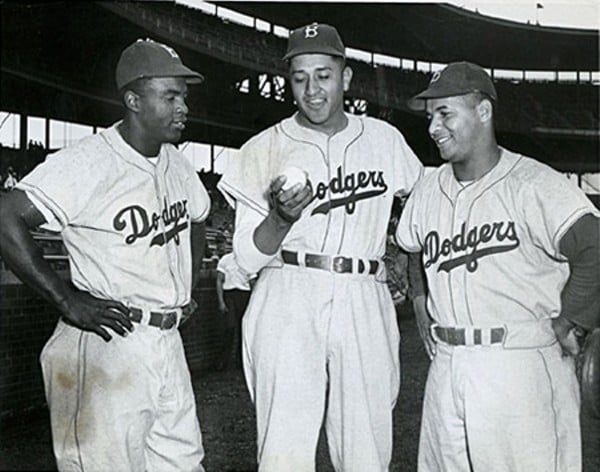
    In Saturday’s New York Times , in honor of Martin Luther King Day and Barack Obama’s inauguration, columnist George Vecsey and the great Brooklyn Dodgers pitcher Don Newcombe (pictured above, center) took a look back at the old days 60-some years ago when black players like Newcombe and Jackie Robinson (left) and Roy Campanella (right) first started playing in the major leagues.

    It would be wrong to say they were reminiscing, because the word “reminisce” implies a fond remembrance of things past. “Really,” Vecsey writes, “how does one explain the way things were 50 to 60 years ago?”

    In those days, St. Louis was the only southern city with a major-league team. Say what you will about St. Louis’ Midwesternness, its “middleness.” The seats at Sportsman’s Park , where the Cardinals and the Browns played, were segregated. Robinson told Roger Kahn in The Boys of Summer , his history of the Dodgers of the late 40s and early 50s, that he and his fellow black players were jeered at everywhere in the league, but nowhere worse than here.

    Here’s part of Newcombe and Vecsey’s conversation, about a day in St. Louis in 1949 or 1950:

    Thousands of Negroes, as they were called, were milling around the street, unable to pay their way into the game because the outfield pavilion, where blacks had been confined, was sold out. By some accounts, the stands had been legally integrated a few years earlier, but apparently, many of Robinson’s fans were not exactly welcome there. “Jackie looked out and saw a bunch of people in the street with radios on,” Newk said, recalling how Robinson summoned Burt Shotton , the manager, who said, “I never saw anything like this.” Newk said a Dodgers official informed the Cardinals that the Dodgers would not take the field until the fans were inside. “You made money for the Cardinals,” I said. “We just wanted them to watch us play, not stand out in the streets with radios,” Newk said somberly.

    Robinson and Newcombe and their black teammates were not, of course, permitted to stay in the air-conditioned, “white only” Chase Park Plaza with the rest of the team. In 1954, Newcombe told Vecsey, he and Robinson took a cab to the Chase. Robinson told the manager, “You know why we’re here. Don just got back from the military for two years, and he wants to stay at your hotel, like any other man in America.”

    The manager gave them rooms on condition that they didn’t use the pool. Robinson allegedly told him it was OK, he didn’t know how to swim anyway.

    It’s hard now to imagine that life was once like this, that it was taken for granted that a hotel wouldn’t want Jackie Robinson as a paying guest, that black Cardinals (and Browns) fans could only sit in a small outfield section in Sportsman’s Park. (To be honest, it never occurred to me that ballparks were ever segregated that way. Economically, yes; racially, no.)

    Of course, the problem of race in America still isn’t over. Obama himself said this far better than I ever could.

    But Vecsey is right. Now is a good time to think about Don Newcombe and Jackie Robinson and Martin Luther King (and Rosa Parks and every other black person for whom segregation was a regular part of life) and how, because of them, tomorrow we will have a President Obama.

    And how they might have had as difficult a time imagining him as we have now imagining the black section of Sportsman’s Park. And to be glad that when players think of St. Louis, they don’t immediately equate it with the most racist city in major league baseball.

  • Interview: Australian Pink Floyd keyboardist Jason Sawford

    The Australian Pink Floyd Show is more than just a tribute band. Using laser lights, video screens and massive inflatables, TAPFS attempts to recreate the psychedelic Pink Floyd trip that much of the highly influential band’s fan base is too young to have witnessed before. In advance of its two-night stint at the Fabulous Fox Theatre, keyboardist Jason Sawford spoke to Ryan Wasoba about the band’s ambitious production of The Wall, the unfortunate passing of Richard Wright, and its trademark monstrous inflatable pink kangaroo. Tickets are $39.50 to $49.50, and the show starts at 8 p.m. both nights.

    Ryan Wasoba: Word on the street is that you’re going to be performing The Wall in its entirety. Is that the whole program?
    Jason Sawford: No, no. We’re doing the whole album and we’re doing a few extra numbers from some other albums, sort of a short greatest-hits set.

    I understand you’re doing The Wall to celebrate the album’s thirtieth anniversary.
    That is one reason. I think the other reason is that we’ve done Dark Side of the Moon and Wish You Were Here and Animals; The Wall was the next logical step for us. We’d been talking about it for a long time and It’s been about a year in the planning of it, so we decided to finally put it together.

    Musically speaking, is The Wall harder to execute than some of Pink Floyd’s other albums? It is a much longer record, first off.
    Well, it has its own specific challenges. I mean, it’s not necessarily more difficult musically than any other albums, but there’s a lot to learn and a lot to do — and trying to get it all together in the time we had was very challenging. It’s a kind of semi-theatrical production, and we’re trying to tell the story the way we do it with animation and the theater and the whole show, it’s been quite tricky.

    Last time you came to St. Louis, I believe you were doing Dark Side of the Moon.
    That’s correct.

    Have you done Animals and Wish You Were Here in the States before?
    We’ve done Wish You Were Here in the States. We’ve never done Animals but we’ve done it in the UK. I wonder how Animals would go in the States. We’ve always found people didn’t know it so well, so we haven’t done it as much as say, Dark Side of the Moon, but it’s a great album and we do like doing it when we get the chance.

    Is that one of the challenges of your job? I mean, you guys are bigger Pink Floyd fans than most, I assume. Is it frustrating that there are huge sections of the catalog that you probably can’t do? Do you feel like you can only do a certain amount of the catalog that people know?
    That’s true, yeah. I mean, we are obviously Pink Floyd fans and there is a lot of stuff I’d love to play, but you can’t go into a big arena and do A Saucerful of Secrets or something like that. I mean, it’s quite strange music. It has a following, but people are more familiar with certain albums and that tends to govern a lot of what we play. And we try to do more interesting numbers when we can and we have done that from time to time.

    So is it safe to say there are some albums you’ll probably never end up doing?
    Probably. We like to cover material from some of those albums anyway, but doing an entire album of say, Ummagumma, we’re not very likely to do something like that. But we are likely to do something like The Final Cut, which is more accessible to people but still lesser known. But we’re doing The Wall, which is perfect for now because we’ve never done it before.

    Has the passing of [Pink Floyd keyboardist] Richard Wright made an impact on this tour at all?
    Well, obviously it’s something I’m very aware of as a keyboardist in a Pink Floyd tribute band, but the tour was planned over a year in advance and Richard Wright’s passing happened so suddenly, we didn’t have time to allow it to affect the tour. We have talked about doing some sort of tribute in the show, maybe playing “Wish You Were Here” in dedication or something, but at this point in time we’re concentrating on doing The Wall.

    So what’s up with the big inflatable pink kangaroo?
    Yes, we have used the pink kangaroo on previous tours we don’t tend to use it so much on this one but we do use a big pig from time to time. At the moment, because we’re doing a theatrical performance of The Wall, it’s hard to find a place where to put the pink kangaroo because it kind of alters the set a bit. Often it’s the venue that dictates where you can place things, so there’s a lot of practical considerations on putting a show together with these inflatables. If the venue is big enough we’ll use them.

    Is the kangaroo kind of your symbol, being Australian and all?
    Yeah, it’s sort of a visual pun, really. Pink Floyd used a pink pig so we use a pink kangaroo. It’s become sort of our trademark.

    So I suppose that’s your way of individualizing yourselves. I’m sure it’s hard to inject your own personality as musicians when you’re exclusively covering the material of another band.
    Yeah, we have to put our own touch on things. We could just sort of play Pink Floyd and do it exactly the way it is, but sometimes it’s nice to have a little of our own identity there. It sort of distinguishes us from a lot of other Pink Floyd tribute bands and it seems to work actually, this little combination of Australiana with Pink Floyd. It lightens the show a little bit because Pink Floyd tends to be pretty dark at times.

    That’s where the big inflatable pink kangaroo comes in?
    Exactly.