
Search results for: “/"”

  • St. Louis Trainer Bobby Ritter Fired After Appearing in Charlottesville Hate March Photos

    St. Louis Trainer Bobby Ritter Fired After Appearing in Charlottesville Hate March Photos

    This photo illustration shows Vox.com’s story with a closeup on Bobby Ritter’s distinctive tattoos. Members saw the photos — and pushed for action by the gym’s owner.
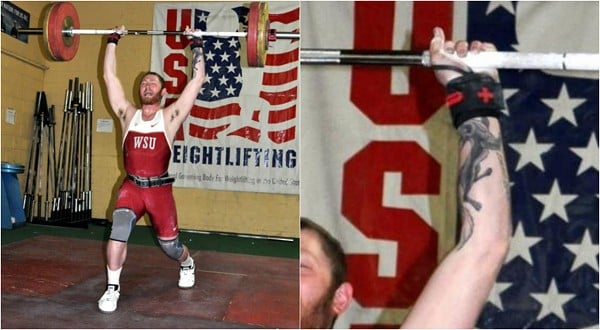
    Image via Twitter — Bobby Ritter’s profile picture on Twitter showed the distinctive tattoo on his left arm.
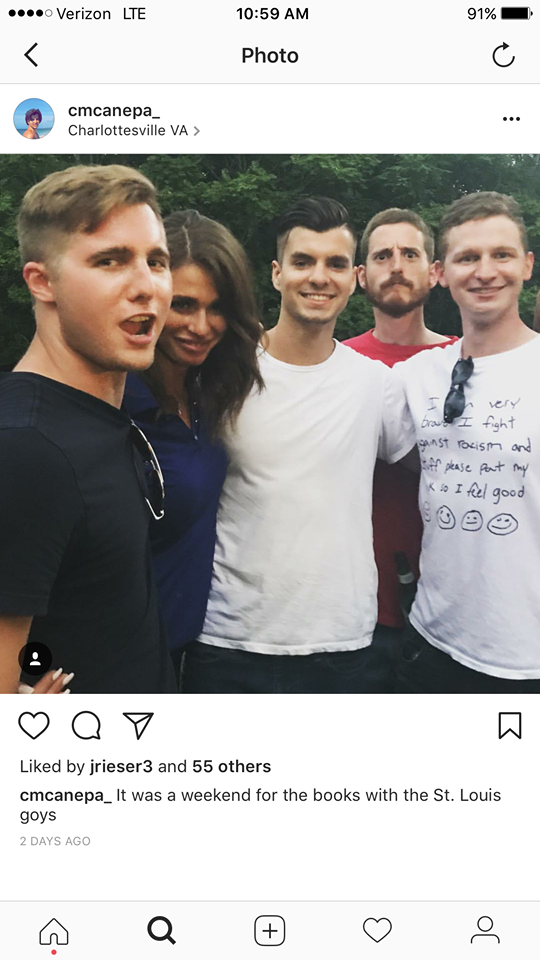
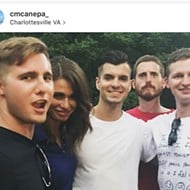
    Image via Instagram — Clark Canepa, center, in a Charlottesville Instagram post with Zach Morley, far left.

    A personal trainer has been fired from a south St. Louis gym after clients and fellow trainers spotted him in photos of white supremacists marching in Charlottesville two weeks ago.

    Bobby Ritter, wearing a white helmet, stares straight into the camera in an image that was used as the lead photo in a Vox.com story: “Unite the Right, the violent white supremacist rally in Charlottesville, explained.” The fitness instructor is not identified by name in the story, and part of his face is obscured by a gas mask. But a telltale tattoo on his raised forearm gives him away.

    Unite the Right, the violent white-supremacist rally in Charlottesville, explained https://t.co/cyOiXEifhP — Vox (@voxdotcom) August 12, 2017

    It was not long before appalled members and co-workers at the Lab Gym began sharing the image, as well as another photo showing a white-helmeted protester shouting in the midst of a crowd of Tiki-torch carrying marchers.

    Gym owner Justin Thacker declined to comment when contacted by the Riverfront Times , but he told clients in an email that Ritter had been terminated.

    “After careful consideration, the Lab Gym has severed working relations with Bobby Ritter,” Thacker wrote. “There has been questions, concerns, and some evidence to part ways based on differences concerning important core principles that are innate to the Lab Gym and it’s mission.”

    Ritter, who moved to the St. Louis metro area after attending Washington State University, taught a course called “Heavy Metal CrossFit,” although CrossFit’s general counsel says he is not a licensed CrossFit trainer and he does not appear in CrossFit’s official trainer directory . He was known around the gym as a vocal Trump supporter, people associated with the gym told the RFT . He has since gone quiet, shutting down his Facebook, Twitter, Instagram and LinkedIn accounts. His phone number is also unlisted, and the RFT has been unable to reach him for comment. (We will update the story if we hear from him.)

    In a cached version of his now-dark Twitter account, a younger Ritter is shown pressing a barbell overhead. The tattoo, prominently displayed in the Vox story, is clearly visible.

    Ritter is the latest person from St. Louis to come under fire after being identified from images taken around the Charlottesville march, which drew white supremacists from around the nation. They gathered in Virginia to oppose removal of a statue of Confederate general Robert E. Lee. Marchers clashed throughout the weekend with counter-protesters, leading up to the terrifying moment when a 20-year-old marcher drove a Dodge Challenger into a crowd of anti-racists, killing 32-year-old Heather Heyer .

    Ladue Horton Watkins High School grad Clark Canepa was filmed in a Vice video chanting “You will not replace us!” He posted an Instagram photo of himself, smiling in the center of three young men and a young woman. The location tag was Charlottesville, and the 21-year-old wrote in the caption, “It was a weekend for the books with the St. Louis goys.”

    Canepa later told KMOV he had a “fantastic time” at the march.

    One of the other people in Canepa’s post, Zach Morley, was later identified by St. Louis University High graduates as one of their own. He is now a student at Saint Louis University.

    Morley told the RFT in an email he was the victim of an ideological witch hunt and compared his plight to Jesus Christ, Joan of Arc and Oscar Romero, the social-justice-minded Archbishop of San Salvador who was assassinated after giving a sermon.

    Editor’s note: A previous version of this story failed to fully elucidate Bobby Ritter’s relationship with CrossFit. While Ritter taught a course with CrossFit in its title, he is not licensed by CrossFit’s Core Credentials program. We regret any implication to the contrary.

  • Francis Slay Jr., Son of Former St. Louis Mayor, Arrested for DWI

    Francis Slay Jr., Son of Former St. Louis Mayor, Arrested for DWI

    Photo via www.houstondwiattorney.net

    Francis G. Slay Jr, the son of longtime former St. Louis mayor Francis Slay, was arrested in Clay County — just north of Kansas City — early Friday morning for driving while intoxicated, according to an online arrest report posted by the Missouri State Highway Patrol.

    The arrest report indicates Slay, 34, was arrested shortly after 1 a.m. on August 11 and was held at Clay County Jail. Slay was listed as a St. Louis resident.

    The jail website does not currently list Slay among its detainees. The Highway Patrol’s report indicates Slay is also charged with speeding and failing to drive to in a single lane.

    We left messages with the Clay County Sheriff’s Department and Prosecuting Attorney’s office. We’ll update this post if we hear back.

    According to his LinkedIn profile, Slay works as a Community Outreach Manager for Centene-owned healthcare company Home State Health. He did not immediately respond to our message seeking comment.

    In 2012, the St. Louis Post-Dispatch reported that several court and city officials had quietly voided a traffic ticket for the mayor’s son, reducing it to a noise violation that left the younger Slay without any state driving penalties. The mayor himself denied asking for the favors.

    Follow Danny Wicentowski on Twitter at @D_Towski. E-mail the author at [email protected]

  • A Rally Cat Lookalike Is in Custody — Could It Be the One?

    A Rally Cat Lookalike Is in Custody — Could It Be the One?

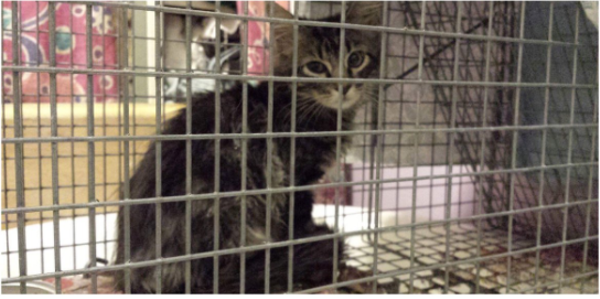
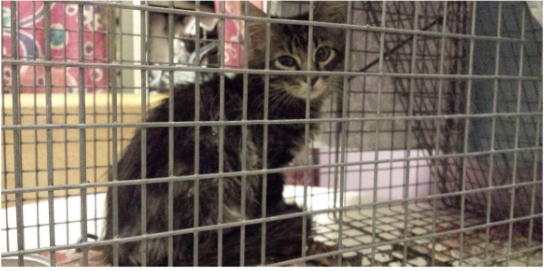
    image via @stlfco — The Chosen One?

    The adorable kitten who single-handedly transformed the fortunes of the St. Louis Cardinals may again be in safekeeping.

    As of early this morning, a cat that bore a very, very strong resemblance to the brave little beast dubbed Rally Cat was in the custody of St. Louis Feral Cat Outreach — and was both alive and well.

    The non-profit organization announced in a tweet last night that a very familiar-looking kitten had been captured at downtown’s Citygarden, where rally cat was allegedly last seen .

    The little feline is being examined to see if he (or she) fit the profile.

    We did trap a kitten at @CitygardenSTL overnight. We will be trying to determine if it is #Rallycat . pic.twitter.com/o5Y5IIcYoU — STLFCO (@stlfco) August 11, 2017

    Citygarden’s official Twitter account confirmed the announcement by STLFCO

    just a few hours ago, this time definitively stating that the little captured kitty is, in fact, Rally Cat. And while we can’t take that as gospel, the resemblance is striking.

    #RallyCat has been found and is in custody! Thanks to the City’s team for their work last night and this AM. #BREAKNEWS ! #Citygarden https://t.co/E2JGQpAilQ — Citygarden (@CitygardenSTL) August 11, 2017

    Many searched Citygarden for Rally Cat for the past day, including members of St. Louis City’s Trap Neuter Rescue Force. The manhunt (cathunt?) was so intense, Citygarden took to pleading for privacy.

    To All #RallyCat Fans: St. Louis City’s TNR Task Force (Trap Neuter Rescue) will be on site tonight, tomorrow and as needed. Please…(1) — Citygarden (@CitygardenSTL) August 10, 2017

    give them space and allow them to help #RallyCat . Let’s let the professionals do their job so we can help the kitten! @Cardinals #Citygarden https://t.co/iwopTmxsGn — Citygarden (@CitygardenSTL) August 10, 2017

    The cat had been last spotted there by Korie Harris, a local cat lover at the Cardinals game when Rally Cat made his debut by streaking across the outfield in the bottom of the sixth. Harris apparently lied to staffers and said she owned the cat.

    But after posing for photos with interested bystanders and media , Harris lost the cat. She says he made a break for it near Citygarden. (And yeah, based on how he treated the Cards’ staffer assigned to get him out of the outfield, we’re not doubting that part of her story for a second.)

    Even while cat lovers searched the city for the missing feline hero, Rally Cat fever swept St. Louis — and apparently the nation. In fact, per Post-Dispatch , Fox Sports Midwest announced that Rally Cat helped boost ratings to their second highest mark of the year on Wednesday night.

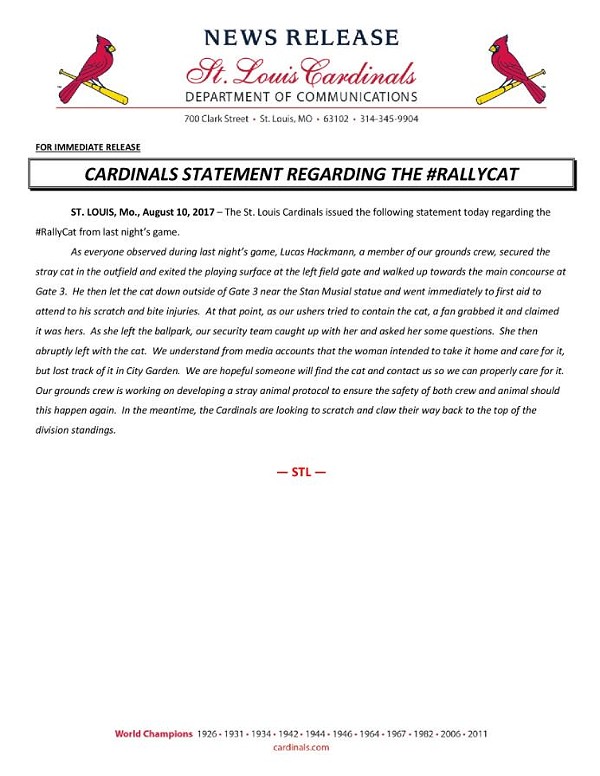
    The St. Louis Cardinals even released an official statement yesterday saying their grounds crew is developing a protocol when dealing with stray animals should events like these ever happen again.

    And that’s good news as far as we’re concerned. Let’s face it. All this Rally Cat news has been way too much excitement for one city.

    More as this story develops.

  • St. Louis Pot Kingpin Thomas Anderson Jr. Made $10 Million Profit, Authorities Say

    St. Louis Pot Kingpin Thomas Anderson Jr. Made $10 Million Profit, Authorities Say

    Screenshot from the video below

    Thomas Anderson Jr., shown here in a screenshot from an appearance on the Mark Wahlberg-produced reality TV show Breaking Boston.

    A St. Louis county man who started out with small-time sales of marijuana to students at Mizzou eventually grew his enterprise into a multi-million dollar business that brought more than 2,000 pounds of pot to St. Louis and Boston, according to prosecutors. But now the party’s over.

    Thomas Anderson Jr., 31, was convicted in federal court Wednesday of conspiracy to commit money laundering, conspiracy to distribute and possession with intent to distribute more than 1,000 kilograms of marijuana. Prosecutors say he would purchase marijuana in Colorado and California — states where it has been legalized — and bring it into St. Louis and Boston, where he could sell it for double what he paid.

    “This is a case of weed and greed,” Assistant U.S. Attorney John T. Davis, who prosecuted the case, tells KSDK. “It got bigger and bigger and bigger, and he realized there was a profit margin in this thing that was astronomical.”

    Those profits afforded Anderson a lavish lifestyle, with the young man spending some $12,000 per month on a Nordstrom credit card, staying at luxury hotels in California, Miami and Las Vegas, and even purchasing a twin-engine airplane to transport bales of weed and bundles of cash back and forth across the country.

    According to the Post-Dispatch, Anderson was stopped early in his illicit career in Kansas with 40 pounds of marijuana in his vehicle. After that scare he decided “he had to get smarter,” and began paying others to transport the money and weed for him, Assistant U.S. Attorney Sirena Wissler said in court.

    Anderson and his associates began purchasing water heaters, gutting them and filling them with marijuana to be shipped to St. Louis. In some cases they used furniture, tires, storage pods and air compressors to conceal their stash. In 2010 Anderson met a Colorado man who supplied him with hundreds of pounds of weed, often shipped by plane to Creve Coeur Airport.

    He would later go on to work with a California man who ran a legal dispensary. His partner’s connections to California growers ultimately resulted in Anderson purchasing three marijuana farms capable of producing 900 pounds in a single yield, according to Wissler. Authorities estimate Anderson made $10 million in profit over the years.

    In a somewhat bizarre twist, the Post-Dispatch reports that Anderson also ended up on the short-lived, Mark Wahlberg-produced reality show Breaking Boston, thanks to his relationship with one of the show’s stars, Noelle Trudeau. In the show’s pilot episode Trudeau kicked Anderson to the curb after he left her alone on New Year’s Eve, traveling instead to Miami before extending his trip by a week to head to Mexico.

    “Your lifestyle is out of control,” she said on the show. “The people you hang out with is out of control.” But even Noelle, apparently, didn’t know the half of it.

    Anderson is one of 24 people, many from the St. Louis area, who were charged in relation to the trafficking operation. Indicted almost exactly three years ago, he was the last to be convicted. He faces a minimum of ten years in prison, with the possibility of a life sentence.

    Anderson is scheduled to be sentenced in the courtroom of Judge Audrey Fleissig on November 21.

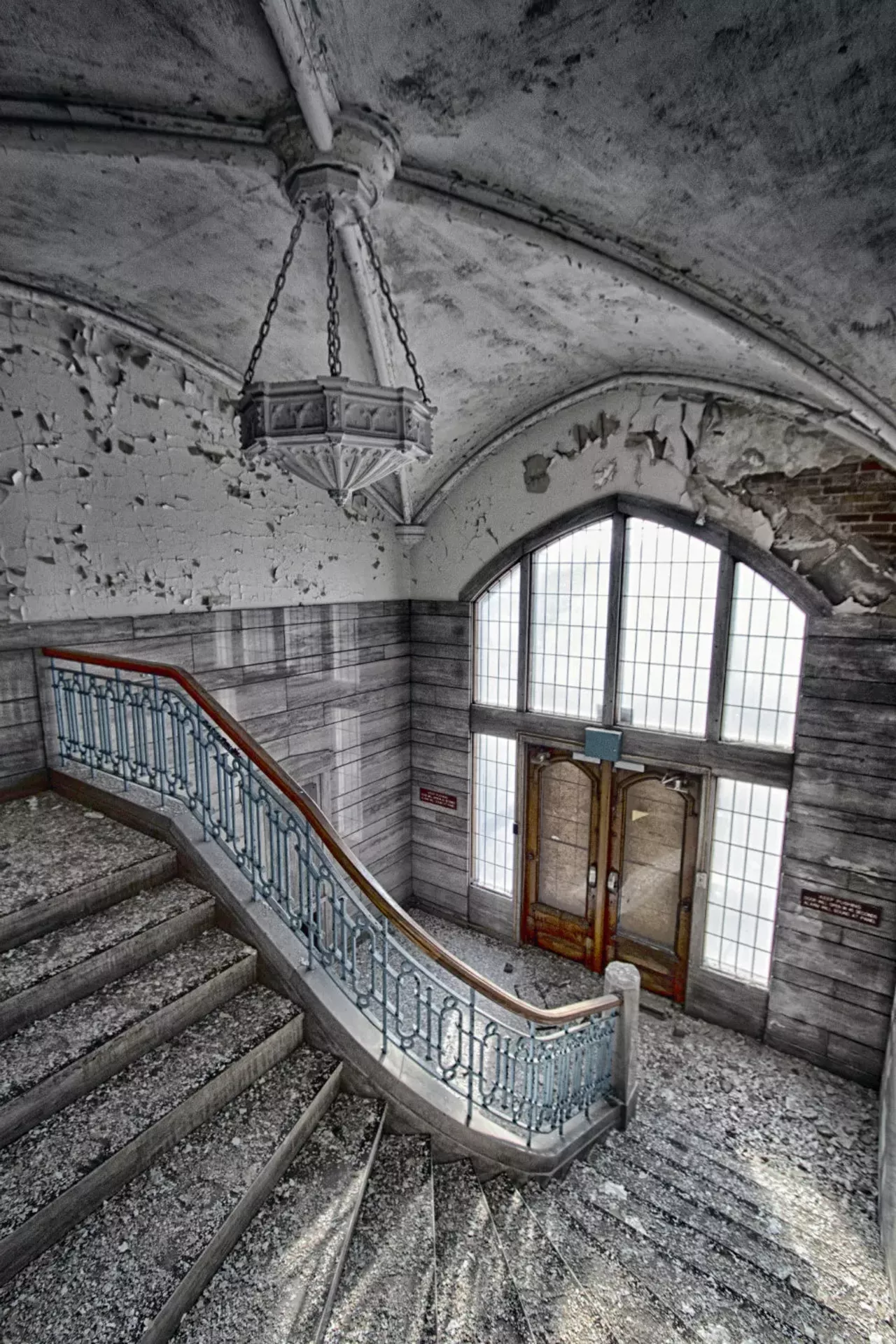
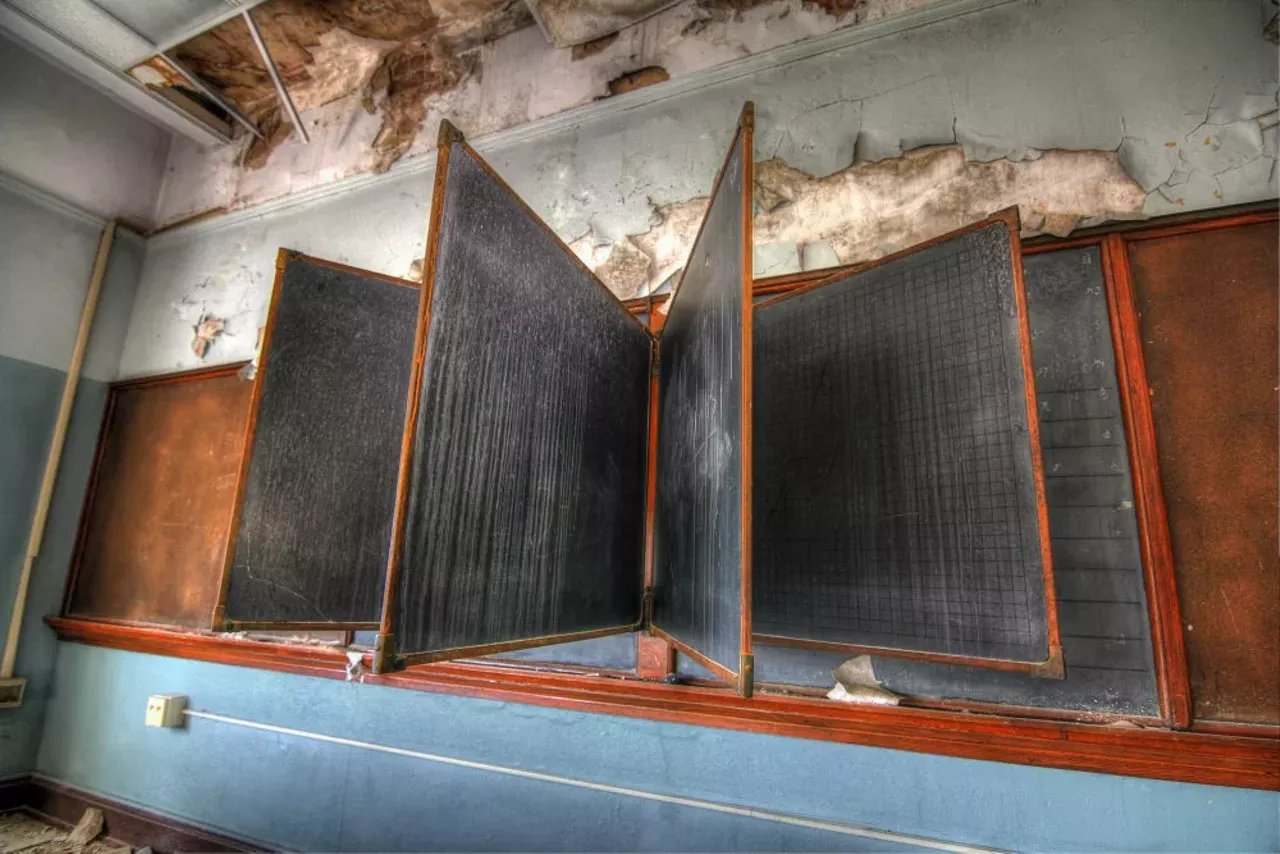
  • Chilling Photos From Inside St. Louis’ Abandoned Schools

    Chilling Photos From Inside St. Louis’ Abandoned Schools

    When the St. Louis school district decided to sell a host of abandoned school buildings a few years ago, it had no idea that it would inspire an entire group of photographers. Curious people with cameras filled the open houses held by the district — to the point that their work has now become an art show.

    “Empty Halls, Silent Classrooms” gathers the work of numerous St. Louis-area photographers who met at the open houses or later found each other through networking. Organized by Jane Linders, herself a photographer, the free gallery show will open at the ReFind Room (2525 South Brentwood Boulevard, Brentwood) on August 11. To get a sneak peek at some of the breathtaking images, check out our gallery. To read more about Linders’ curation and the district’s efforts, see Sabrina Medler’s story.
    Scroll down to view images
    Title: My Old School School: Cleveland High Photographer: Jane Linders

    Title: My Old School
    School: Cleveland High
    Photographer: Jane Linders
    1 of 11
    Title: Boilermaker School: Gundlach Photographer: V. Elly Smith
    Title: Boilermaker
    School: Gundlach
    Photographer: V. Elly Smith
    2 of 11
    Title: Marble Staircase School: Scullin School Photographer: Ann Chartrand

    Title: Marble Staircase
    School: Scullin School
    Photographer: Ann Chartrand
    3 of 11
    Title: Nurse's Station School: Mark Twain School Photographer: Ann Chartrand

    Title: Nurse’s Station
    School: Mark Twain School
    Photographer: Ann Chartrand
    4 of 11
    Title: The Boardroom Photographer: V. Elly Smith School: Simmons School

    Title: The Boardroom
    Photographer: V. Elly Smith
    School: Simmons School
    5 of 11
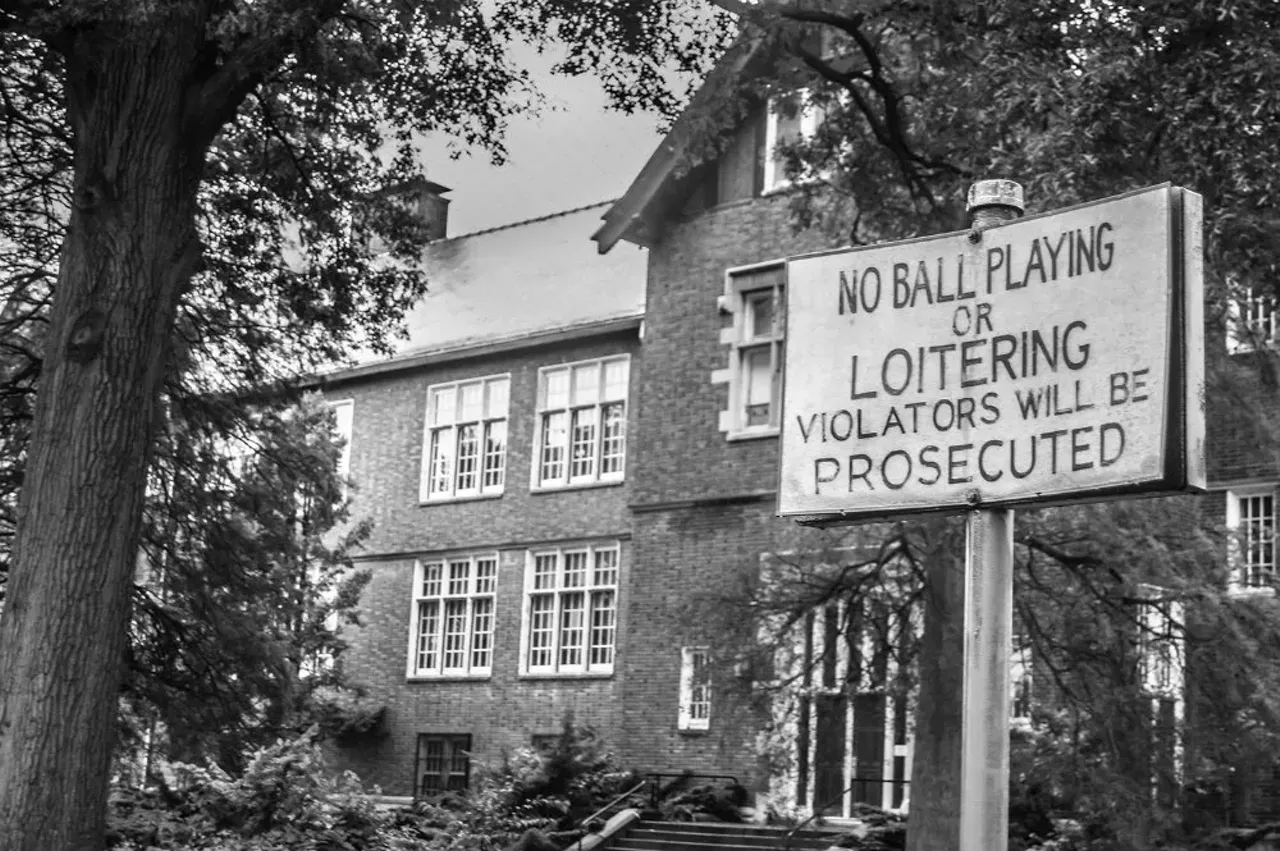
    Title: No Loitering School: Walnut Park Photographer: Jackie Johnson

    Title: No Loitering
    School: Walnut Park
    Photographer: Jackie Johnson
    6 of 11
    Title: Broken Windows, Broken Dreams School: Baden Photographer: Dave Adams

    Title: Broken Windows, Broken Dreams
    School: Baden
    Photographer: Dave Adams
    7 of 11
    Title: High School Boredom School: Scullin photographer: Jane Linders

    Title: High School Boredom
    School: Scullin
    photographer: Jane Linders
    8 of 11
    Title: Patine School: Eliot Photographer: Dave Adams

    Title: Patine
    School: Eliot
    Photographer: Dave Adams
    9 of 11
    Title: Turner School: Turner Photographer: Ann Aurbach

    Title: Turner
    School: Turner
    Photographer: Ann Aurbach
    10 of 11
    Title: Cleveland Hall School: Cleveland High Photographer: Ann Aurbach

    Title: Cleveland Hall
    School: Cleveland High
    Photographer: Ann Aurbach
    11 of 11
  • Vincent Van Doughnut’s Ice Cream-Stuffed Donuts Were Ahead of the Curve

    Vincent Van Doughnut’s Ice Cream-Stuffed Donuts Were Ahead of the Curve

    COURTESY OF VINCENT VAN DOUGHNUT — You ate it here first.

    In the last week, all the cool kids on the coasts started buzzing about a sweet treat being served at L.A.’s B Sweet Dessert Bar — the ice cream-stuffed donut.

    But while the usual media feeding frenzy commenced with comforting predictability, it left one thing out of the story: This time, the brilliant food fusion that has the country talking may well have started in St. Louis.

    For the past year, Vincent Marsden of Vincent Van Doughnut (two locations, including 1072 Tower Grove Avenue) has been serving a treat he calls “Doughnut Ice Cream Sandwiches,” but which sound almost exactly like the stuffed donuts everyone is raving about in Los Angeles. From-scratch Vincent’s doughnuts are stuffed with locally made Ronnie’s ice cream. Yum!

    The treat is available only in the Grove, so if you’re dying to sample one, stop by soon. They’re open from Tuesday through Friday, 6 a.m. to 2 p.m. and 7 a.m. to 2 p.m. on Saturday and Sunday, or until they sell out.

    So, you got that? This time we’re not getting to a food trend right when everyone else gets sick of it. This time, we were ahead of the curve — and what a delicious curve it is.

  • The Hero Gently Pokes Fun at Sam Elliott’s Marlboro Man Image

    The Hero Gently Pokes Fun at Sam Elliott’s Marlboro Man Image

    Though he’s been a leading man for more than 40 years, Sam Elliott has had a strange kind of celebrity. From almost the beginning of his career he’s been a walking Marlboro man at a time when cigarette advertising declined to nothing, an unmistakable Western hero who emerged exactly when the Hollywood Western was becoming extinct. Though he appeared in dozens of films and television series throughout the years, his image is somehow bigger than any of his performances, and what is probably his most memorable — I’ll avoid the cliche “iconic” — role was barely more than a cameo in The Big Lebowski. With his steady, warm drawl and bushy mustache, he’s the Westerner as archetype, a cowboy hero without a vehicle.

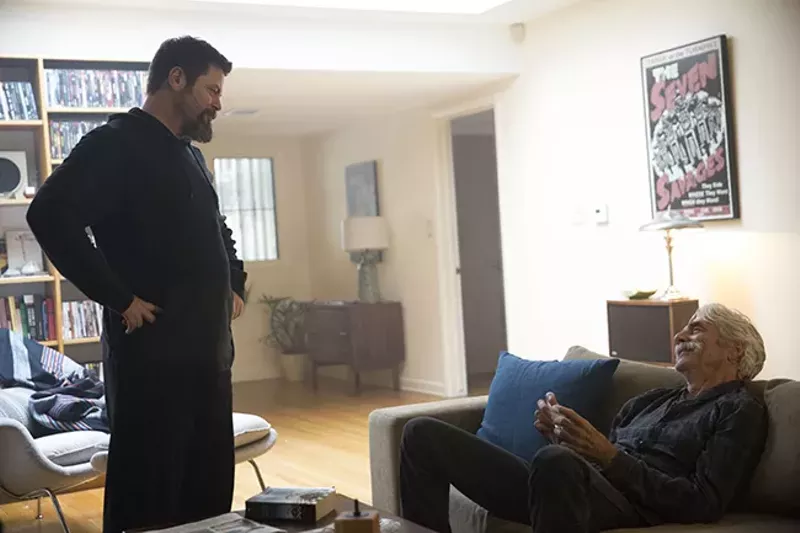
    The slight but enjoyable new film The Hero gives Elliott ample room to play on that image. He plays Lee Hayden, a well-remembered but underemployed Western star. Estranged from his family, he’s facing his old age with relaxed bemusement, making a comfortable living recording advertising voice-overs and hanging out with a stoner friend (Nick Offerman) between jobs. There may be miles between the character and Elliott’s own off-screen life, but it suits his personality well enough to be a comfortable fit.


    Nick Offerman plays the protagonist's stoner friend. - BETH DUBBER

    BETH DUBBER

    Nick Offerman plays the protagonist’s stoner friend.

    As co-written and directed by Brett Haley, The Hero is content to stand back and give its subject room, less a drama (or more precisely, less a melodrama) than a laid-back glimpse into its protagonist’s life. Early in the film, Lee learns that he has pancreatic cancer, but like nearly everything in the film, it’s presented unemotionally. Even when Lee finally tells his ex-wife (played by Elliott’s real wife, Katharine Ross) about his illness, Haley keeps the camera at a respectful distance and the conversation off-screen. For better or worse, this is a film that avoids highs and lows. It’s about getting by.

    Although Lee’s diagnosis looms over the film, it remains marginal. The most extended narrative element is a lengthy sequence in which the actor travels to receive a lifetime achievement award at a small-town ceremony. It’s a strange and bittersweet occasion, with Lee reacting simultaneously like a mischievous child and a tired survivor. He works the crowd, smiling through that mustache in a way that lets you think he’s seeing through the pretenses of every person he meets. When he finally hits the stage, slightly drunk, he delivers a rambling, humble speech before finally choosing a woman in the audience at random and handing her the award. It’s an awkward, potentially embarrassing scene, but Haley turns it into a quiet triumph. He cuts to a close-up of the woman carried away with joy, and the moment becomes a validation of both Lee’s anti-stardom speech and his awkward attitude to his own celebrity.


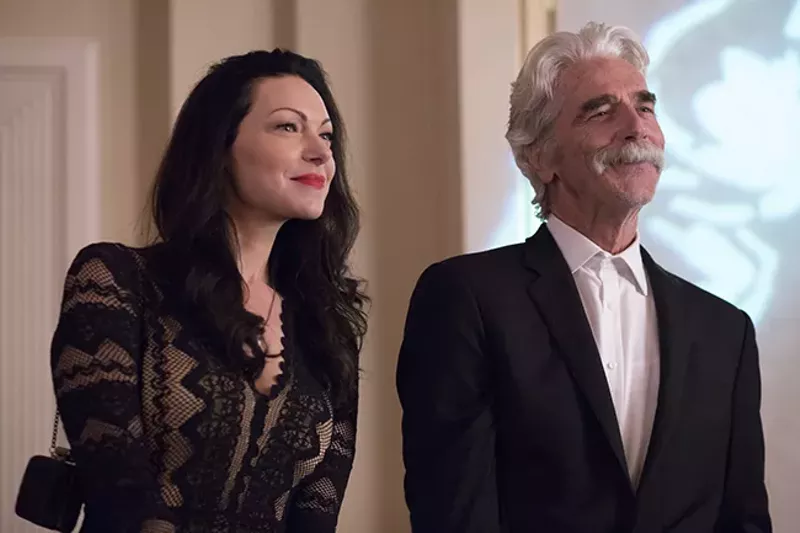
    Laura Prepon is a younger woman who briefly becomes involved with the actor. - BETH DUBBER

    BETH DUBBER

    Laura Prepon is a younger woman who briefly becomes involved with the actor.

    The Hero depends so heavily on Elliott’s personality that it inevitably slips whenever it tries to follow a conventional narrative path. There are heavy-handed moments, as when Lee auditions for a fantasy film whose characters reflect his own strained relationship with his daughter. Laura Prepon is a welcome presence as a younger woman who briefly becomes involved with the actor, but she also provides the film’s flattest note when she performs a stand-up monologue about him the day after they’ve slept together.

    For all its narrative weaknesses, The Hero is a pleasure to watch, depending on your degree of involvement with Elliott and his cowboy persona. Having already served as an emblem of the past, Lee now reluctantly becomes an emblem of his own image, and both actor and character treat that inflated image with a kind of tolerant exasperation. The joke hidden within The Hero is that what the aging star represents isn’t really the old Western sensibility; it’s the twilight of the baby boomers. After a career setback, he doesn’t walk off into the sunset — he takes some psychedelic mushrooms and hallucinates around his yard. For a brief second, The Hero lets us see the real person behind the rugged hide of the Marlboro man and the open horizon of the Hollywood Western as a hazy pipe dream.

  • St. Louis Weekend Concert Calendar: April 24 to 26

    Friday, April 24
    *Cursive/Gentleman Auction House, Firebird
    *DragonForce/Cynic, Pop’s
    *Black Joe Lewis (Vintage Vinyl in-store), 3:30 p.m.
    *Robert Randolph and the Family Band/Black Joe Lewis, Pageant
    *WASH U’s W.I.L.D., featuring the Black Keys, Cool Kids, more
    *The Cool Kids/Black Spade, Black Label Gallery
    *D:Fuse, Home Nightclub
    *Grand Marquis, Atomic Cowboy
    *Bear (The Ghost)/Han Ma and the Camaros, Lemp Neighborhood Arts Center
    *The Reebs, Deluxe
    *Yo Mama’s Big Fat Booty Band, The Gramophone
    *The Trip Daddys, Lemmons
    *Fattback/Papa Smiley and the Brain Bananas/Strawfoot/Shelterboys, Off Broadway
    *The Pons/Glasswaves, Cicero’s
    *Stilline/Jason & the Argonauts, Fubar

    Saturday, April 25
    *Junior Boys/Max Tundra, Billiken Club
    *Tommy Keene/Finn’s Motel/Sally Crewe and the Sudden Moves, Off Broadway
    *The Toadies/Aranda, Pageant
    *Movie Star Junkies/Kentucky Knife Fight/Argonauts, Lemmons
    *Beep Beep/The Show is the Rainbow/The Sham, Firebird
    *Taylor Swift, Scottrade Center – SOLD OUT
    *Go Long Mule/Jackhead, Gramophone
    *Al and Emily Cantrell, Focal Point
    *The Bel Airs, BB’s Jazz, Blues and Soups (late)
    *Tom Hall, BB’s Jazz, Blues and Soups (early)
    *Diesel Island, Deluxe
    *Future Death Toll, Lemp Neighborhood Arts Center
    *Nite Owl (CD release), Cicero’s
    *Paul Staples, Mangia
    *With Eyes of Red/This Day Falls, et al (early), FUBAR
    *Car Vs. Tree/Peace Love and Tragedy/DPT WAVE, Fubar

    Sunday, April 26
    *Greg Herriges, Music Folk
    *Hairspray Cabaret, Halo Bar
    *Paul Rishell & Annie Raines, BB’s Jazz, Blues and Soups — CANCELLED
    *Lida Una/Brad Fox & the Usual Suspects/Rhyme or Reason, Cicero’s
    *Chaminade Battle of the Cans, Kali/Bucket of Truck/The Robot Cuisine, Off Broadway (day)
    *Peck of Dirt/Theodore, Off Broadway (late)
    *Dave Simon’s Rock School, all-ages matinees, Duck Room (daytime)

  • First-Hand Accounts Show the Horror of East St. Louis’ 1917 Race Riot

    First-Hand Accounts Show the Horror of East St. Louis’ 1917 Race Riot

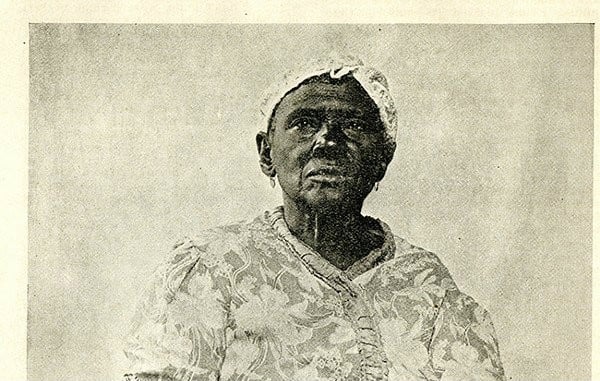
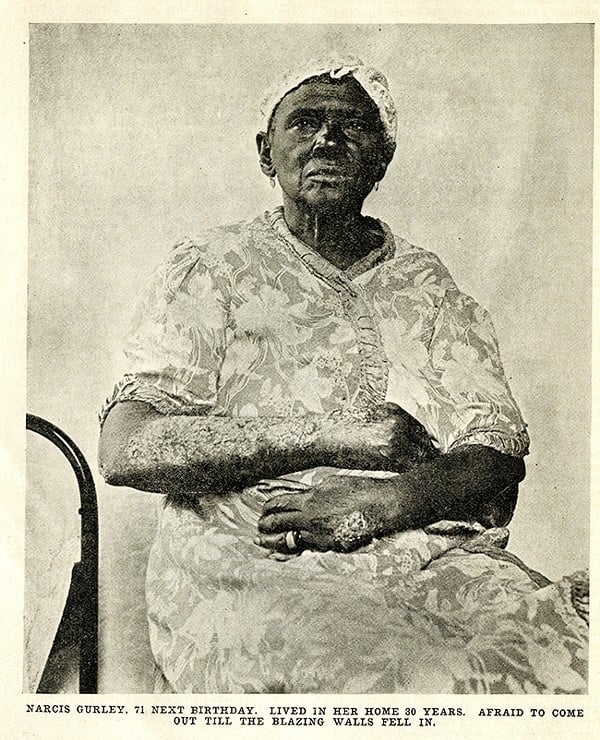
    IMAGE VIA THE CRISIS — A 70 year old woman, burned while escaping her home. She’d been “afraid to come out till the blazing walls fell in,” explains the original caption.

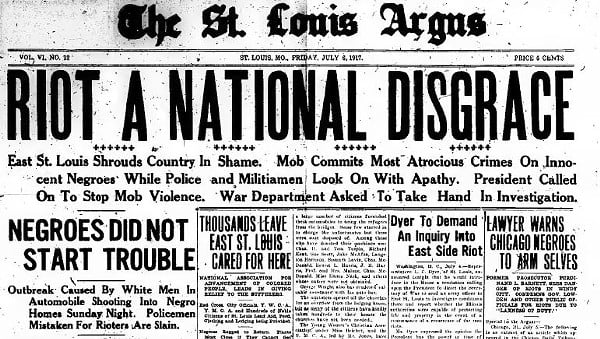
    Photo via archive.org — The July 6 edition of the St. Louis Argus, a black weekly, denouncing the violence of the riots.

    This weekend marks the 100th anniversary of one of the most brutal and shameful episodes of mass violence in American history. Dubbed the East St. Louis “race riot,” the events of July 2 and 3, 1917, tore East St. Louis apart and shocked the nation. The violence was largely one-sided, with mobs of armed whites burning hundreds of black homes and beating, lynching and shooting black residents. Most historians estimate that more than 100 people died.

    This week’s RFT cover story delves into the legacy of the violence — which some descendants characterize not as a riot, but as a war for survival.

    Like any war, the events of those days in 1917 were heavily documented at the time, and many primary accounts are now available online. While the RFT cover story includes short excerpts from eyewitnesses and later investigations, there’s no replacement for the original, full-length material.

    If you want to dig into what things looked like to those on the ground, Carlos Hurd is a good place to start. The St. Louis Post-Dispatch reporter authored a gripping, 3,000-word account published on the front page of the paper’s July 3 edition.

    Found on Newspapers.com

    Hurd pulled no punches in describing the horror he saw on the street. This is how he opened the piece:

    “For an hour and a half last evening I saw the massacre of helpless negroes at Broadway and Fourth Street, in downtown East St. Louis, where black skin was a death warrant.”

    In the story’s conclusion, which can be read here , Hurd directly addressed the reports of an armed black militia firing on two plainclothes police detectives on July 1. Both officers were killed, though one had not yet succumbed to his wounds at the time of Hurd’s July 3 piece. The officers’ deaths — which eyewitnesses would later claim was accidental — were blamed for sparking a chain reaction of mob violence and indiscriminate murder over the next 48 hours.

    Here’s how Hurd ended his account :

    “In recording this, I do not forget that a policeman — by all accounts a fine and capable policeman — was, killed by negroes the night before. I have not forgotten it in writing about the acts of the men in the street. Whether this crime excuses or palliates a massacre, which probably included none of the offenders, is something I will leave to apologists for last evening’s occurrences, if there are any such, to explain.”

    Days later, the St. Louis Argus , a black weekly, would publish its own investigation into the shooting of the police officers. Based on interviews with black residents, the paper concluded that the officers were not intentionally ambushed, but rather mistaken for a carload of white drive-by shooters who had previously attacked the neighborhood. The Argus ‘ July 6, 1917, story can be read here .

    The true scope of the horrors, however, did not reach the public until outsiders came to pick through the pieces. W.E.B. DuBois, an early civil rights leader and co-founder of the NAACP, traveled to East. St. Louis with suffragist/activist Martha Gruening. There they interviewed survivors and collected photographs documenting the destruction. Those pictures were a rare commodity, as police officers had been seen destroying journalists’ cameras during the riots.

    DuBois and Gruening’s work was published in the September 1917 issue of the NACCP magazine The Crisis , and it offers a peerless and sweeping perspective on the weeks leading up to the explosion of violence. Notably, the piece includes a full-page reproduction of a May 23 letter sent by Edward F.

    Mason, a union leader who inveighed against the influx of “undesirable negroes” and suggested that “drastic action must be taken if we intend to work and live peaceably in this community.”

    The Crisis 1917 by Danny Wicentowski on Scribd

    The Crisis’ expose also featured the lengthy first-hand accounts of victims and survivors, as well as photographs of their injuries — including an elderly woman with horrific burn scars on both arms and a 20-year-old whose arm had been shot off by soldiers and police officers. Additional first-hand accounts from survivors were collected by anti-lynching journalist Ida B. Wells .

    The Crisis’ story ended with a jarring, simple question: “And what of the Federal Government?”

    Although President Woodrow Wilson initially opposed launching a federal investigation, Congress felt otherwise, in light of the fact that the massacre had disrupted wartime industry for more than a week and left hundreds of buildings destroyed. The congressional inquiry’s final report was delivered July 6, 1918, and it can be read in full here , though you’ll have to make sure you’re on page 8,826 and scroll to the the middle of the right-hand column.

    The report blasted East St. Louis’ corrupt civil government, its incompetent police force and complicit militia members. Presenting a broad of range of competing explanations for the causes of the violence, the report concluded that while labor issues played a role, the underlying driver of the massacre was racial:

    “The officers of the mills and factories placed the blame at the door of organized labor; but the overwhelming weight of testimony, to which is added the convictions of the committee, ascribes the mob spirit and its murderous manifestations to the bitter race feeling that had grown up between the whites and the blacks.”

    As for contemporary accounts, 2008’s Never Been a Time: The 1917 Race Riot That Sparked the Civil Rights Movement is essential reading. Author Harper Barnes is a former Post-Dispatch editor and a respected journalist. Barnes managed to fit an enormous amount of history into a compelling, hyper-detailed narrative that flows from the Great Migration to the present-day struggles of East St. Louis.

    On the academic side, Pennsylvania State University professor Charles Lumpkins’ book, American Pogrom: The East St. Louis Race Riot and Black Politics , intentionally sets out reframe the designation of a “race riot.” Lumpkins focuses on the political causes behind the massacre, particularly efforts by the city’s corrupt white political class to break the influence of the growing black community.

    Finally, while no survivors of the summer of 1917 are left alive today, the words of some were preserved in the 1998 documentary ” Bloody Island: The Race Riots of 1917.” Directed and written by East St. Louis native Thomas Gibson, the film is free to watch on YouTube.

    The area continues to reckon with the deadly events. This Sunday, July 2, a “Day of Reconciliation” ceremony will begin at 11 am at Truelight Baptist Church (1535 Tudor Avenue, East St. Louis). Additional events to commemorate the hundredth anniversary are planned for this weekend and throughout the rest of July, and a full schedule can be found at www.estl1917ccci.org. Follow Danny Wicentowski on Twitter at @D_Towski. E-mail the author at [email protected]

  • RIP Steve Truesdell, St. Louis Photographer and Friend

    RIP Steve Truesdell, St. Louis Photographer and Friend

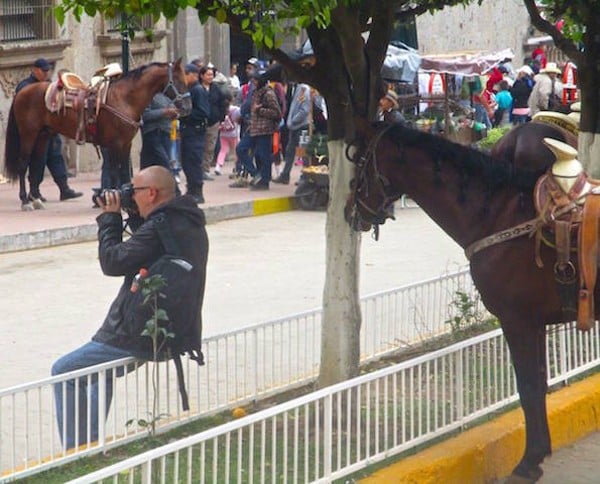
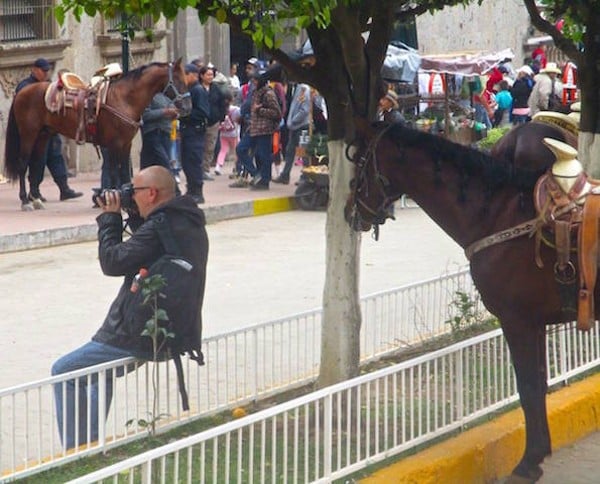
    PHOTO BY CRAIG DOWNS — Steve Truesdell getting his shot in March 2016 in Talpa de Allende, Mexico.

    PHOTO BY STEVE TRUESDELL — Truesdell captured this image on the ground in Ferguson.

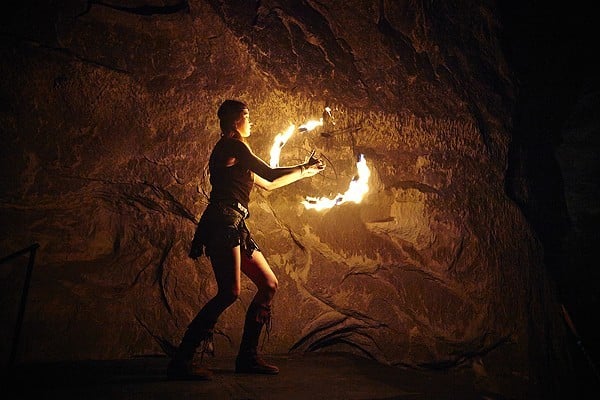
    PHOTO BY STEVE TRUESDELL — Only Steve Truesdell could shoot a rave in a cave and have it not suck — as in this 2014 photo from the Crystal City Underground.

    PHOTO BY STEVE TRUESDELL — LouFest. Of course he loved to shoot LouFest.

    PHOTO BY STEVE TRUESDELL — Steve took this shot at the Contemporary Art Museum in 2014 during what could have been a routine event slideshow.

    PHOTO COURTESY OF ERIKA JOHNSON — A rare shot of Steve in front of the camera, as he showed his “little sister” how to pose.

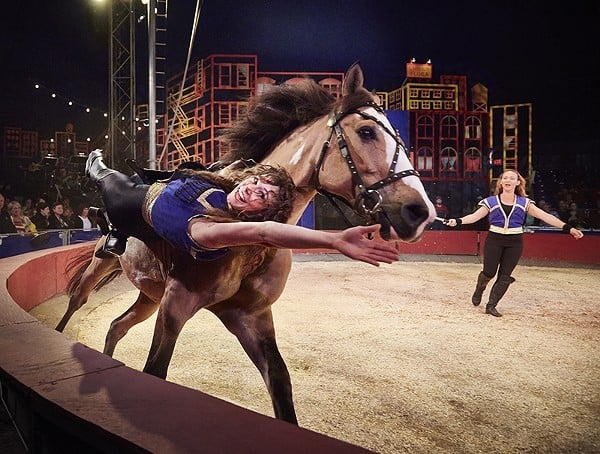
    PHOTO BY STEVE TRUESDELL — Steve was at his finest at Circus Flora.

    Steve Truesdell died on Saturday. He was 55 years old and had suffered a stroke in the early hours of the morning. In the late afternoon, following surgery to remove a massive blood clot, he died at St. Anthony’s Medical Center.

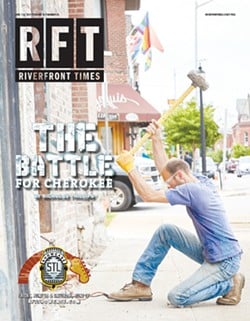
    For years, Steve was the RFT ‘s go-to photographer, the guy who covered everything from police tear-gassing protesters in Ferguson to portraits of rising political stars to gritty burlesque shows. Just three weeks ago, he shot our cover story about Cherokee Street’s attempt to grapple with crime — and scored the cover with a striking, unposed image of a local rehabber wielding a giant mallet. Any other photographer assigned to shoot the neighborhood’s power players might have glimpsed that D.I.Y. construction effort out of the corner of his eye and kept walking. Steve knew to slow down.

    Everyone at the RFT has a Steve Truesdell story — but the bizarre thing about these stories is that, even in a profession that by nature is gossipy and hypercritical, not one includes the slightest hint of unpleasantness. He was kind to everyone — story subjects, editors and interns alike — and never less than 100 percent professional.

    His commercial work paid the bills, but he took on many RFT assignments because he loved the work and loved connecting with people. Allison Babka, the RFT ‘s then-digital editor, recalls that she already had a few photographers lined up to cover the unrest in Ferguson in its early days, but Steve decided to go anyway. He wanted to be there — and then he sent her hundreds of photos, with no concern for whether the paper could pay him. He’d go back again, he told her.

    And in November, he did, returning to chronicle the night of Darren Wilson’s grand jury decision. The result was a series of gripping images of a community at war .

    Steve’s enthusiasm shone through even on low-profile shoots. He’d regularly send us a zip file of photos of Circus Flora. “Use them if you want,” he’d say, his polite way of saying he knew we couldn’t afford to pay for the gallery. And they were always, unfailingly, gorgeous .

    Unlike a lot of great shooters, he didn’t hide behind his lens. Many photographers hate event coverage (or consider themselves too good for it). Never Steve. He loved shooting concerts , raves , crazy hippie festivals in the middle of nowhere . “The more weird people, the happier Steve was,” Babka says.

    But even stiff people didn’t bother him. We knew we could put him on any story and he’d break through his subjects’ hostility or discomfort with unflagging good humor. We all loved him.

    And of course we weren’t the only ones. A native of Webster Groves (class of 1980), Steve left behind a beloved wife, Krystal Phillips, and a family — her three grown children, whom he adored as his own, and six grandchildren, whom he doted on. He also had two sisters, a brother, countless friends and a daughter from his first marriage, Mae, who lives in Canada.

    One of his closest bonds was with Erika Johnson. When they met through mutual friends in the late 1990s, Johnson, who is adopted, was struggling to deal with rejection from her biological brother. When Steve first saw her, she recalls, she was sitting in a hot tub by herself, crying.

    Of course he asked what was wrong. She told him the whole story, finishing, “All I wanted was a big brother who was proud of me.”

    “I’ll be your big brother,” Steve promised. And from that point on, he was — in the best sense of the word. They even lived on different floors of the same building for six years, sharing meals, confidences, video games and endless horror movies. He was a punk rock guy and she was jazz, but they learned from each other.

    “He was the best big brother ever,” Johnson says. “If a little girl ever dreamed of what a big brother would be — someone who was strong, who was talented, who was brave — it would be Steve.”

    When the pair met, Steve had been grappling with the fallout from a nasty divorce. He dated, Johnson says, but he wasn’t sure he could ever love again. Then he met Phillips, a language arts teacher at Eureka High School. “That’s when I saw a different side of my big brother,” Johnson says. “I was like, ‘Oh my God, my big brother loves somebody, finally!’”

    Phillips’ children — Tony Riley, Aly Shead and Hannah Wheeler — loved him right back.

    “Steve saw beauty in the unique,” says Riley. “He understood that there is no ‘black and white’ and lived in the gray. He believed in the freedom of speech. He fought the establishment. And he said ‘fuck the man.’ He loved us dearly for who we are. We love him for who he was.”

    The only lingering sadness in his life, Johnson recalls, was related to his biological daughter. He tried to write to her, but she returned his letters unsent. He’d send gifts, but she wouldn’t accept them. “It hurt him,” Johnson says. “He always wanted to fix that …. I need to make sure she knows how much he loved her from the depth of his soul.”

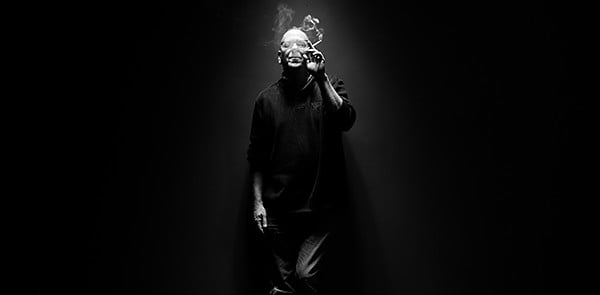
    It is Johnson who took the stark black and white image of Truesdell smoking that was circulated widely on social media after his passing. It is an unusual image — strikingly glamorous for a man who didn’t like to have his photograph taken, and a brooding pose from a man who was always wonderfully warm.

    But Johnson says there is a simple explanation for the shot. He was photographing her, and he struck the pose to demonstrate what he wanted her to do. She snapped a few photos, and then it was her turn.

    Johnson jokes about how Steve left this earth in “true punk rock fashion” — “fuck that, I’m out of here!” Still, there is some comfort for his family and friends in knowing that he didn’t suffer long, even if the speed of his departure has shaken them.

    “He was there and present and his best self before the collapse, and then almost instantly he was gone,” his brother Jeff, a fellow journalist, wrote on Facebook.

    Those who know him best probably won’t remember Steve as the smoky, intense figure in the stunning portrait that resulted from his session with Johnson. They will instead remember him by the photos he took.

    “All of us look out on the world, and we see whatever we see,” recalls Jeff Truesdell. “But we can see what Steve saw. He left us with this vast archive of the world as he saw it. And now we can look at the world through his lens. There’s still that element of having him present. And I find that moving.”

    Sarah Fenske is the editor in chief of the Riverfront Times. You can reach her by email at [email protected]

  • Hillary Clinton’s Election Night Confetti Finds a Home at St. Louis Art Gallery

    Hillary Clinton’s Election Night Confetti Finds a Home at St. Louis Art Gallery

    Photo courtesy of Flickr/ Hillary for America — An artist says she bought all Hillary Clinton’s unused election night graffiti.

    Feeling the urge to pretend the past six months were a bad dream? A St. Louis art gallery has an exhibit of Hillary Clinton’s ill-fated election night confetti, forever floating on the air of an alternate reality.

    Artist Bunny Burson , who served under President Bill Clinton as executive director of the President’s Committee on the Arts and the Humanities, bought the confetti from what was supposed to be Hillary’s victory bash and turned it into art, according to a statement from the Bruno David Gallery .

    The shiny confetti continuously cascades inside a transparent case. The name of the exhibit, “I Still Rise,” was taken from a Maya Angelou poem about persisting against all obstacles.

    A post shared by Bunny Burson (@bunnybursonstudio) on May 8, 2017 at 11:50am PDT

    The confetti, which was designed to have a glass-like sheen, was supposed to symbolize the shattered glass ceiling as the nation’s first female president celebrated her electoral victory in the Javits Center in Brooklyn, New York.

    Instead, reporters covering the event videotaped workers unloading the stuff from air cannons and sweeping it into cardboard boxes.

    Confetti being put back into boxes tonight at Javits Center, scene for what was supposed to be @HillaryClinton ‘s victory party pic.twitter.com/hi30Ly8rJf — Jessica Hopper (@jesshop23) November 9, 2016

    Burson designed her piece as encouragement for the resistance, according to a news release.

    “With this actual confetti as her metaphor, artist Bunny Burson hopes to empower young women and girls to be bold, to dream big, to believe in themselves and to break their own glass ceilings, as well as to finally break that highest and hardest one,” the statement says.

    So while Trump has totally moved on from the election , you’re free to imagine what might have been. The exhibit runs through August 12. The Bruno David Gallery (7513 Forsyth Blvd., Clayton) is open 10 a.m. to 5 p.m., Wednesday through Saturday.

    You can also see “I Still Rise” 24 hours a day through a window on Forsyth — just in case you find you can no longer sleep through the night.

    Editor’s note 12:40 p.m.: The story was changed after publication to remove a reference to a song playing as part of the exhibit. The song is only on the artist’s Instagram video.

  • Hillary Clinton’s Election Night Confetti Finds a Home at St. Louis Art Gallery

    Hillary Clinton’s Election Night Confetti Finds a Home at St. Louis Art Gallery

    Photo courtesy of Flickr/ Hillary for America — An artist says she bought all Hillary Clinton’s unused election night graffiti.

    Feeling the urge to pretend the past six months were a bad dream? A St. Louis art gallery has an exhibit of Hillary Clinton’s ill-fated election night confetti, forever floating on the air of an alternate reality.

    Artist Bunny Burson , who served under President Bill Clinton as executive director of the President’s Committee on the Arts and the Humanities, bought the confetti from what was supposed to be Hillary’s victory bash and turned it into art, according to a statement from the Bruno David Gallery .

    The shiny confetti continuously cascades inside a transparent case. The name of the exhibit, “I Still Rise,” was taken from a Maya Angelou poem about persisting against all obstacles.

    A post shared by Bunny Burson (@bunnybursonstudio) on May 8, 2017 at 11:50am PDT

    The confetti, which was designed to have a glass-like sheen, was supposed to symbolize the shattered glass ceiling as the nation’s first female president celebrated her electoral victory in the Javits Center in Brooklyn, New York.

    Instead, reporters covering the event videotaped workers unloading the stuff from air cannons and sweeping it into cardboard boxes.

    Confetti being put back into boxes tonight at Javits Center, scene for what was supposed to be @HillaryClinton ‘s victory party pic.twitter.com/hi30Ly8rJf — Jessica Hopper (@jesshop23) November 9, 2016

    Burson designed her piece as encouragement for the resistance, according to a news release.

    “With this actual confetti as her metaphor, artist Bunny Burson hopes to empower young women and girls to be bold, to dream big, to believe in themselves and to break their own glass ceilings, as well as to finally break that highest and hardest one,” the statement says.

    So while Trump has totally moved on from the election , you’re free to imagine what might have been. The exhibit runs through August 12. The Bruno David Gallery (7513 Forsyth Blvd., Clayton) is open 10 a.m. to 5 p.m., Wednesday through Saturday.

    You can also see “I Still Rise” 24 hours a day through a window on Forsyth — just in case you find you can no longer sleep through the night.

    Editor’s note 12:40 p.m.: The story was changed after publication to remove a reference to a song playing as part of the exhibit. The song is only on the artist’s Instagram video.